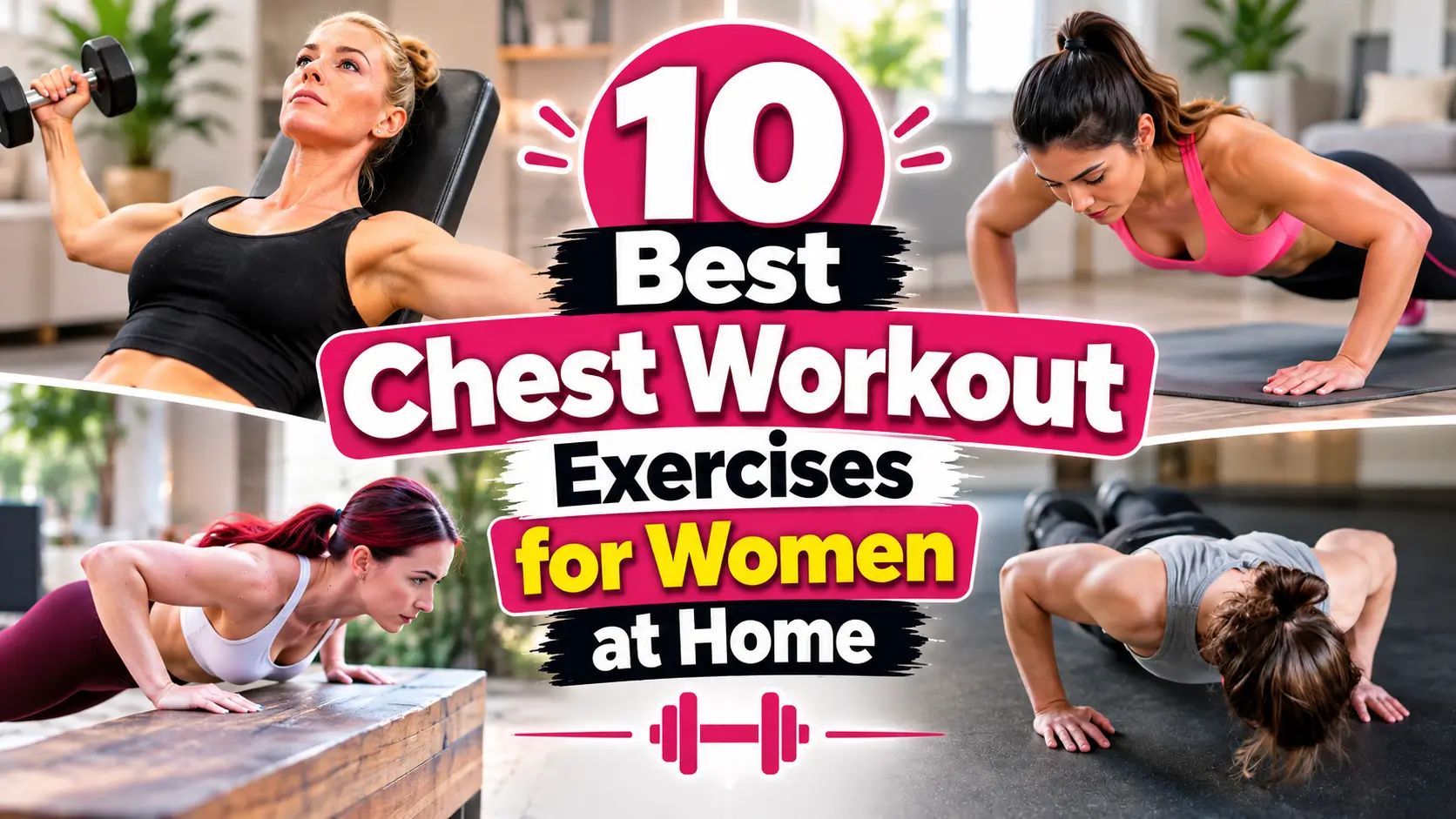
10 Best Chest Workout Exercises for Women at Home
You do not need a gym to strengthen your chest. With bodyweight exercises, dumbbells, or a resistance band, you can create an effective chest workout at home.
Your chest muscles, especially the pectoralis major and pectoralis minor, contribute to pushing movements. Training them can also improve upper-body strength and make everyday pushing tasks easier.
10 Best Chest Workout Exercises for Women at Home
Research in healthy adult women shows that resistance training can significantly improve muscular strength and can support muscle growth.
The key is choosing exercises that match your fitness level and gradually increasing the challenge.
1. Standard Push-Ups
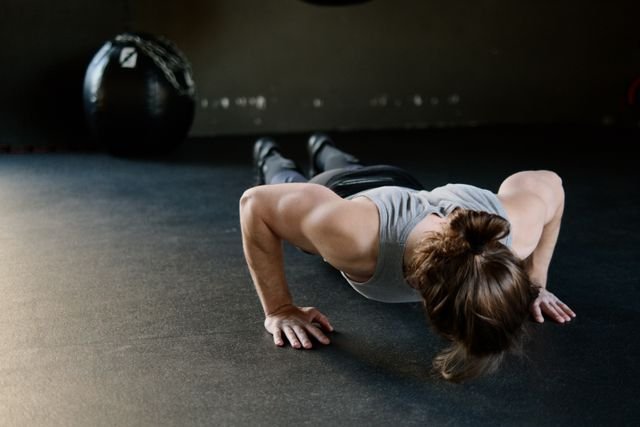
Push-ups are one of the simplest chest exercises you can do at home.
Start in a high-plank position with your hands slightly wider than your shoulders. Keep your body in a straight line from your head to your heels.
Bend your elbows and lower your chest toward the floor. Push through your hands to return to the starting position.
Beginner tip: Perform the movement with your knees on the floor if a standard push-up is too difficult.
2. Knee Push-Ups
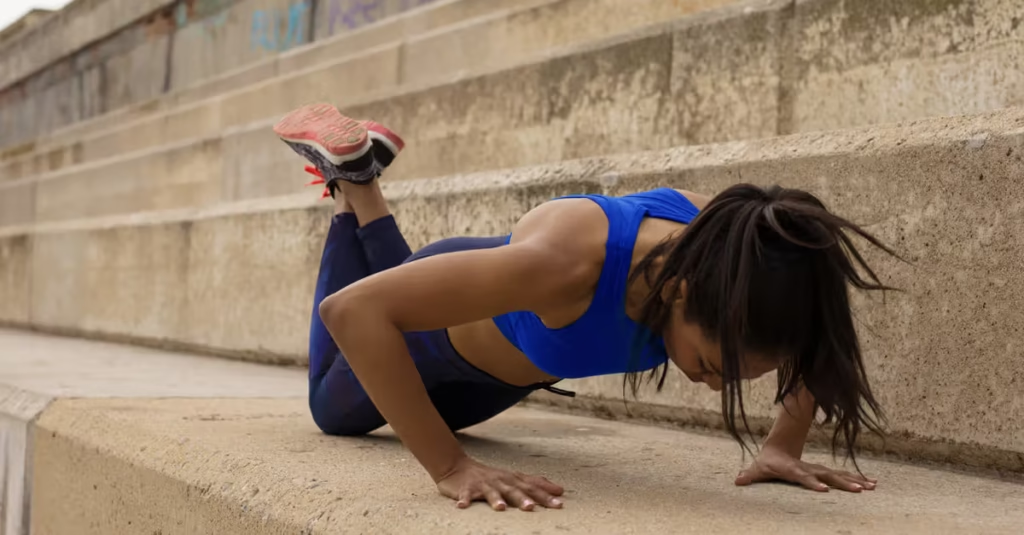
Knee push-ups are a useful modification for beginners who are still developing the strength needed for standard push-ups.
Start with your knees and hands on the floor. Keep your hips controlled rather than letting them drop toward the floor.
Lower your chest slowly and push yourself back up.
As you become stronger, gradually work toward regular push-ups.
3. Incline Push-Ups
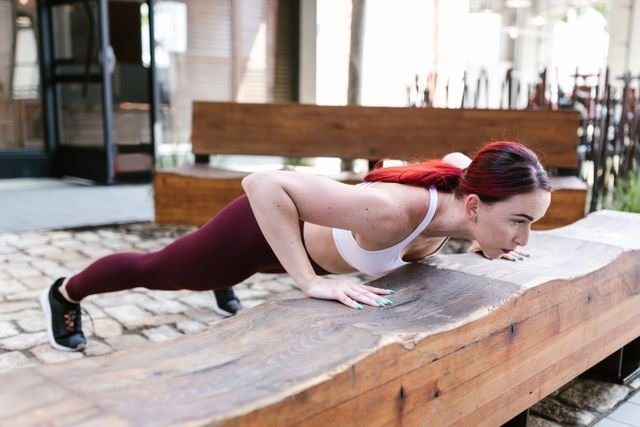
Incline push-ups can make the movement more accessible because your hands are positioned on an elevated, stable surface.
Place your hands on a sturdy countertop, table, or bench. Walk your feet backward until your body forms a straight line.
Bend your elbows and bring your chest toward the surface. Then push away.
Make sure the surface is stable before starting.
4. Dumbbell Chest Press
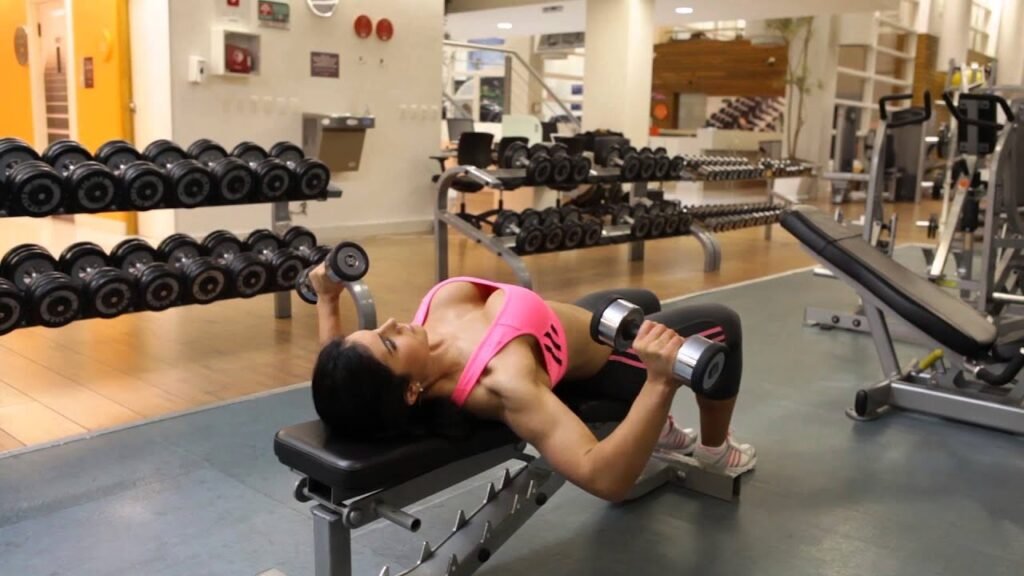
If you have a pair of dumbbells, the chest press is an excellent home strength exercise.
Lie on a firm exercise mat or a stable bench if you have one. Hold a dumbbell in each hand with your elbows bent.
Press the dumbbells upward until your arms are extended without locking your elbows aggressively.
Lower the weights slowly and repeat.
Choose a weight that allows you to maintain good control throughout the movement.
5. Floor Chest Press
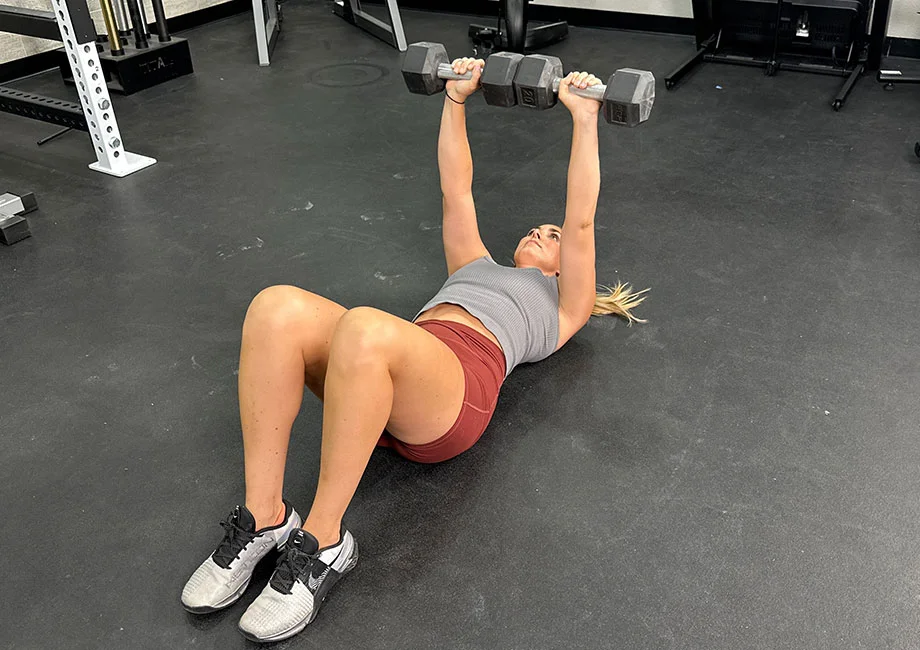
You do not need a bench for a dumbbell chest press.
Lie on your back with your knees bent and feet flat on the floor. Hold dumbbells above your chest with your palms facing forward or slightly inward.
Lower the weights until your upper arms gently approach the floor. Press them back upward.
The floor naturally limits how far your elbows can travel, which can make this variation useful for a home workout.
6. Dumbbell Chest Fly
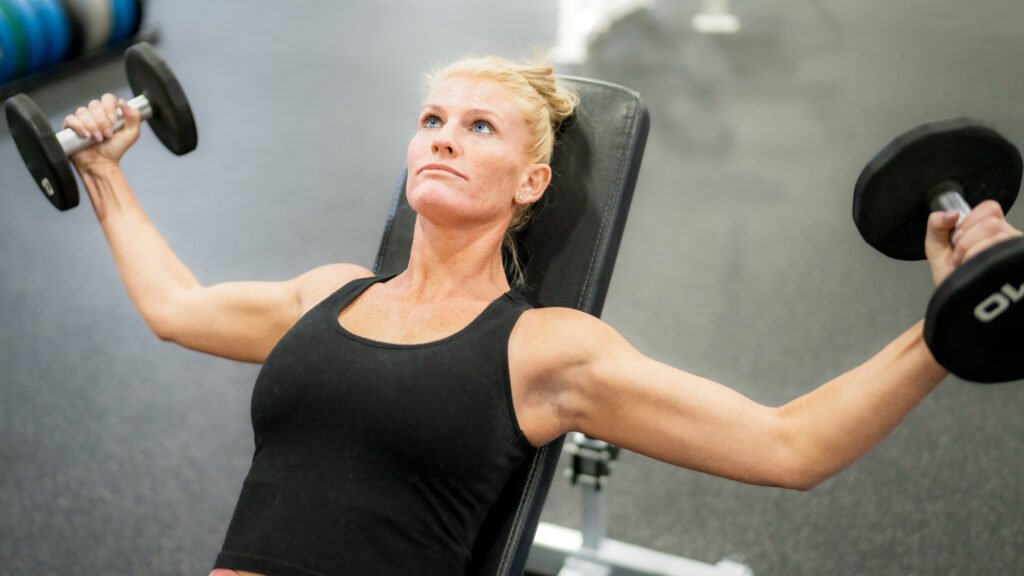
A chest fly uses a different movement pattern from a chest press and can be performed on the floor.
Lie on your back with your knees bent. Hold light dumbbells above your chest with your palms facing each other.
With a slight bend in your elbows, slowly lower the weights outward.
Stop when your arms approach the floor, then bring the dumbbells back together above your chest.
Use lighter weights than you might use for a chest press and avoid forcing the range of motion.
7. Resistance Band Chest Press
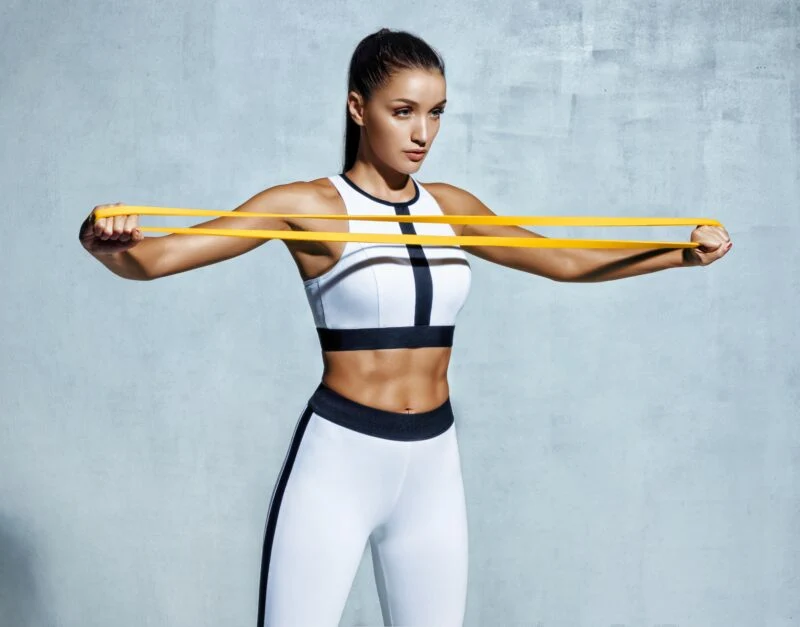
A resistance band can provide another way to train your chest without heavy equipment.
Secure the band behind you at about chest height using a safe anchor point designed for resistance bands.
Hold the handles and press your hands forward until your arms are extended.
Slowly return your hands toward your body.
Always check the band and anchor before exercising to make sure they are secure.
8. Resistance Band Chest Fly
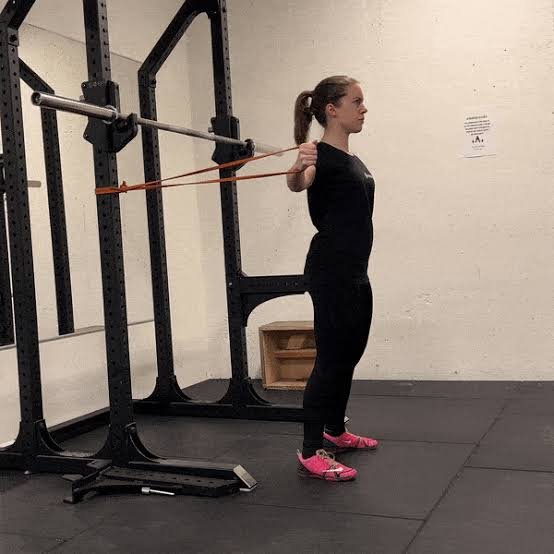
You can also use a resistance band for a chest-fly movement.
Secure the band behind you and hold one handle in each hand. Start with your arms open and elbows slightly bent.
Bring your hands together in front of your chest using a controlled movement.
Slowly return to the starting position.
Avoid using momentum or stretching the band farther than you can comfortably control.
9. Wide Push-Ups
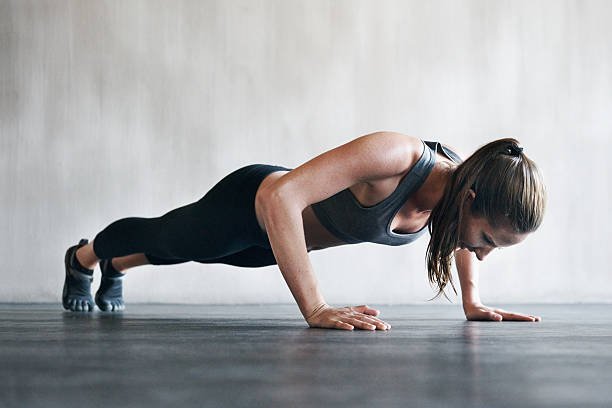
Wide push-ups use a wider hand position than a standard push-up.
Start in a push-up position with your hands placed somewhat wider than shoulder width.
Lower your body while keeping your torso controlled. Then push back to the starting position.
Do not move your hands excessively far apart. A comfortable, controlled position is more important than maximizing width.
10. Close-Grip Push-Ups
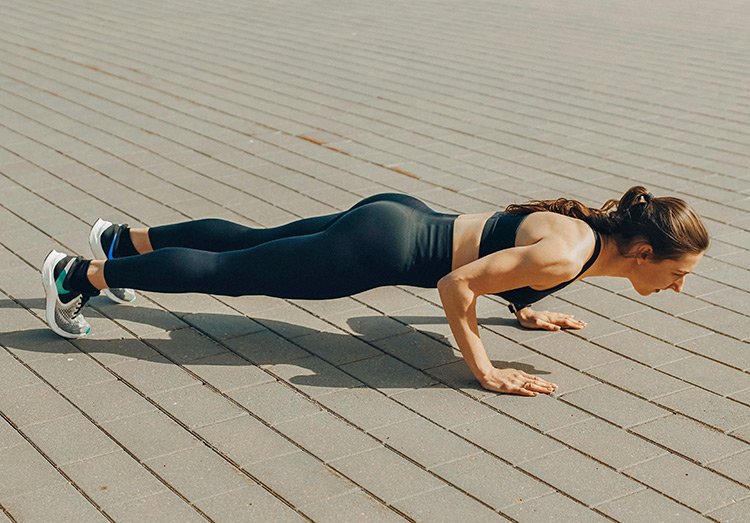
Close-grip push-ups bring your hands closer together and increase the contribution of the triceps while still training the chest.
Place your hands slightly narrower than your usual push-up position.
Keep your elbows controlled as you lower your body. Push through your hands to return to the starting position.
If this variation feels too challenging, use your knees or perform it against a stable elevated surface.
How Many Chest Exercises Should Women Do at Home?
You do not need to perform all 10 exercises in one workout.
A beginner could choose 2–4 exercises that fit their current ability. For example, you could combine incline push-ups, floor chest presses, chest flyes, and knee push-ups.
The CDC recommends that adults perform muscle-strengthening activities on at least two days per week, including exercises that work the chest and other major muscle groups.
Current ACSM guidance also emphasizes consistency over complicated training plans. Home-based routines using bodyweight exercises, resistance bands, and other simple equipment can produce meaningful benefits.
How Many Reps and Sets Should You Do?
Your ideal training volume depends on your experience, goals, and the resistance you use.
For a simple starting point, try 1–3 sets of 8–12 controlled repetitions for exercises where that repetition range is appropriate. The CDC provides 8–12 repetitions as a practical example for muscle-strengthening activities, while current ACSM guidance emphasizes tailoring load and volume to your goals.
Bodyweight exercises may require a different repetition range depending on their difficulty.
The most important factor is maintaining good form rather than chasing a specific number.
Sample Chest Workout for Women at Home
If you want a simple routine, try:
- Incline push-ups: 8–12 reps
- Dumbbell floor press: 8–12 reps
- Dumbbell chest fly: 8–12 reps
- Knee push-ups: 8–12 reps
Start with one or two sets if you are new to strength training. Increase the challenge gradually as the exercises become easier.
You can progress by adding repetitions, using more resistance, or choosing a harder variation. Current ACSM guidance notes that progression should be matched to your goals rather than relying on one universal training method.
Common Mistakes to Avoid
Using Too Much Weight
Heavy dumbbells are not necessary for an effective home workout. Excessive weight can make it difficult to maintain proper technique.
Moving Too Quickly
Controlled repetitions make it easier to maintain your position and manage the resistance.
Letting Your Hips Drop During Push-Ups
Keep your core engaged and maintain a controlled body position throughout the movement.
Ignoring Your Range of Motion
Do not force your shoulders or elbows into a position that feels uncomfortable. Use a range of motion you can control.
Skipping the Warm-Up
A few minutes of light movement can prepare your body for exercise. MedlinePlus recommends warming up and learning proper form to help reduce exercise-related injury risk.
Can Chest Exercises Increase Breast Size?
Chest exercises strengthen the muscles underneath the breasts, but they do not directly increase breast tissue.
Regular strength training can improve chest muscle strength and may change the appearance of the chest area as the underlying muscles develop. However, individual results vary, and exercise should not be presented as a way to directly enlarge breast tissue.
Can Women Do Chest Workouts Every Day?
You generally do not need to train the chest every day.
Give your muscles time to recover between challenging resistance-training sessions. Your overall program should also include exercises for your back, legs, hips, abdomen, shoulders, and arms.
A balanced routine is more useful than repeatedly training one muscle group.
When Should You Stop an Exercise?
Stop exercising if you experience sharp pain, unusual symptoms, dizziness, or significant discomfort. MedlinePlus advises stopping exercise when pain occurs and recommends professional guidance for people who are new to exercise or have health conditions that may affect physical activity.
If you have a current injury, heart condition, or another medical concern, talk with your healthcare professional before starting or significantly changing your workout routine.
Frequently Asked Questions
What are the best chest exercises for women at home?
Push-ups, incline push-ups, dumbbell chest presses, floor presses, chest flyes, and resistance-band presses are practical options for home workouts.
Can I build my chest without a gym?
Yes. Bodyweight exercises, resistance bands, and dumbbells can all be used for resistance training at home. Current ACSM guidance specifically recognizes home-based resistance training as an effective option.
How often should I train my chest?
Chest exercises can be included in your resistance-training routine at least twice weekly as part of a broader program that works all major muscle groups.
Are push-ups enough for a chest workout?
Push-ups can provide a useful chest workout, especially when you progressively increase the difficulty. Adding resistance bands or dumbbells can give you more options as your strength improves.
Final Thoughts
You do not need a gym or complicated equipment to strengthen your chest. Push-ups, dumbbell exercises, and resistance-band movements can give you plenty of options at home.
Start with variations that match your current strength. Focus on controlled movements and gradually make the exercises more challenging.
Most importantly, stay consistent. A simple routine you can perform regularly is more useful than a complicated workout you cannot maintain.
Medical note: This article provides general fitness information and is not a substitute for individualized medical advice. If you have an injury, chronic condition, or symptoms during exercise, consult an appropriate healthcare professional.