
How to Burn More Calories While Walking
If you already walk regularly but want more from every session, learning how to burn more calories while walking doesn’t mean walking longer out of sheer willpower — it means making small, smart adjustments to how you walk. The same 30-minute walk can burn noticeably more energy depending on your pace, the terrain, whether you add incline, and a few other variables that are easy to control once you know they matter. Here’s what actually moves the needle, based on established exercise science rather than trends.
The Main Factors Behind Calorie Burn While Walking
Before getting into specific tips, it helps to understand what actually determines how many calories a walk burns. Four factors do most of the work: your body weight, your walking speed, the incline or terrain, and your overall fitness level. Heavier individuals burn more calories covering the same distance at the same pace, simply because moving more mass takes more energy. Faster paces raise your metabolic rate during the walk. Inclines and rougher terrain increase the muscular effort required per step. And as your fitness improves, you’re able to sustain faster paces and steeper terrain for longer, which compounds the other three factors over time.

Understanding these levers means you don’t need to guess — you can pick which one to adjust based on your schedule, joints, and preferences.
Pick Up the Pace
Speed is one of the simplest levers to pull. Walking briskly, generally in the range of about 3 to 4 miles per hour for most adults, requires meaningfully more energy per minute than a leisurely stroll. A practical way to check whether you’re walking briskly enough is the talk test: you should be able to speak in full sentences but not comfortably sing.
If a brisk pace for the entire walk feels like too much right now, that’s fine — build up gradually. Even shifting a portion of your walk from a slow pace to a brisk one adds up over a week of regular walking.
Add Hills or Incline
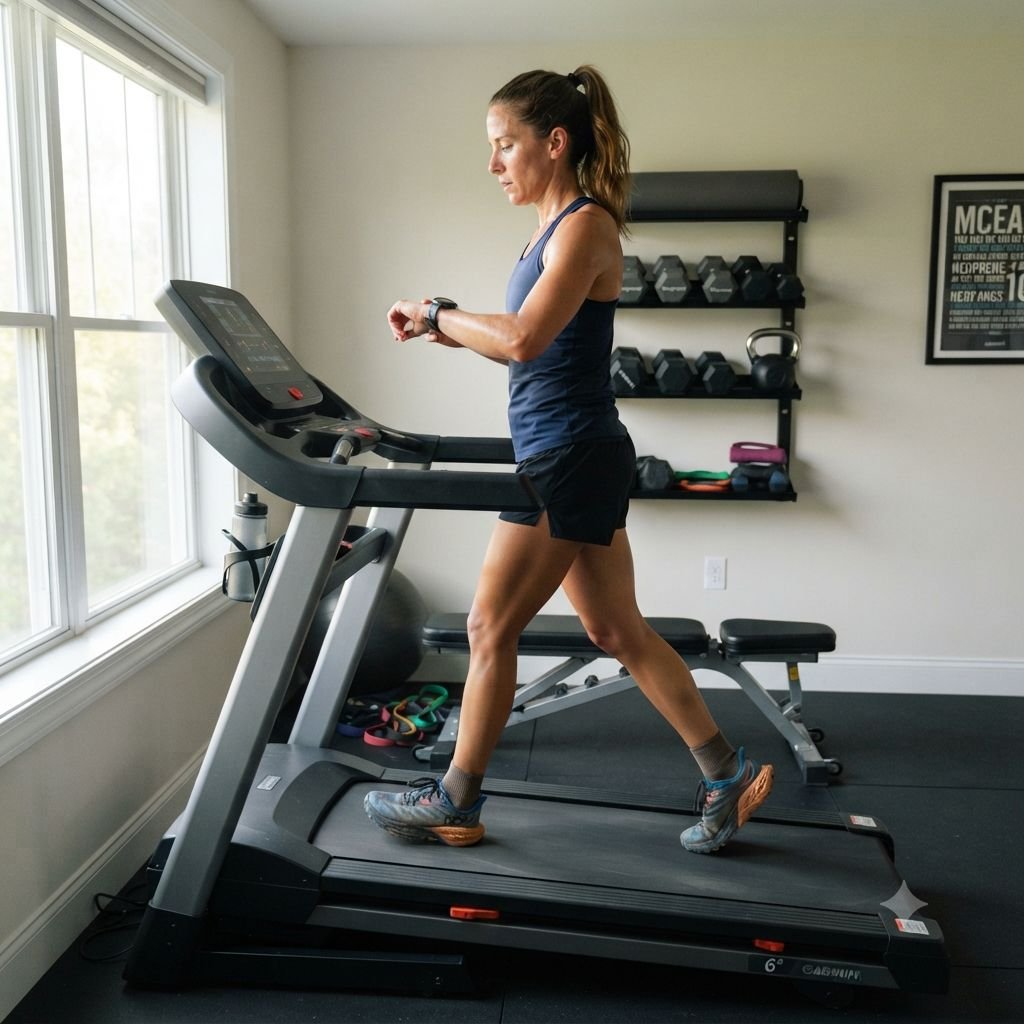
Walking uphill, whether outdoors on a hilly route or on a treadmill with the incline raised, is one of the most effective ways to increase effort without walking faster. Climbing an incline forces your leg muscles — particularly your glutes, hamstrings, and calves — to work harder against gravity, which raises your heart rate and energy expenditure noticeably compared to flat ground. Even a modest incline of a few percentage points makes a real difference, and you can build up from there as your fitness improves.
If you’re walking outdoors, incorporating a route with a few gentle hills accomplishes the same thing. Stairs work too, in short bursts.
read also: 45 Best Cute Gym Outfits for Women
Use Walking Poles (Nordic Walking)
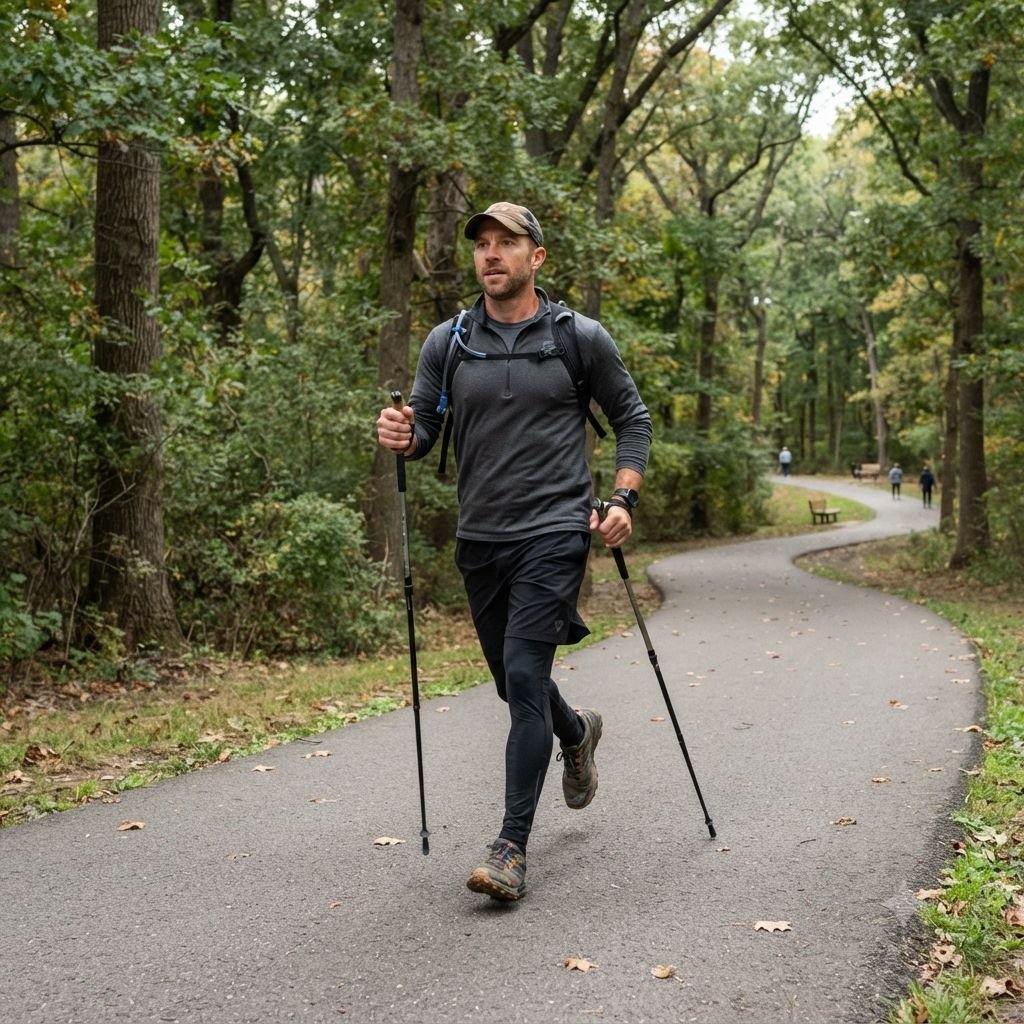
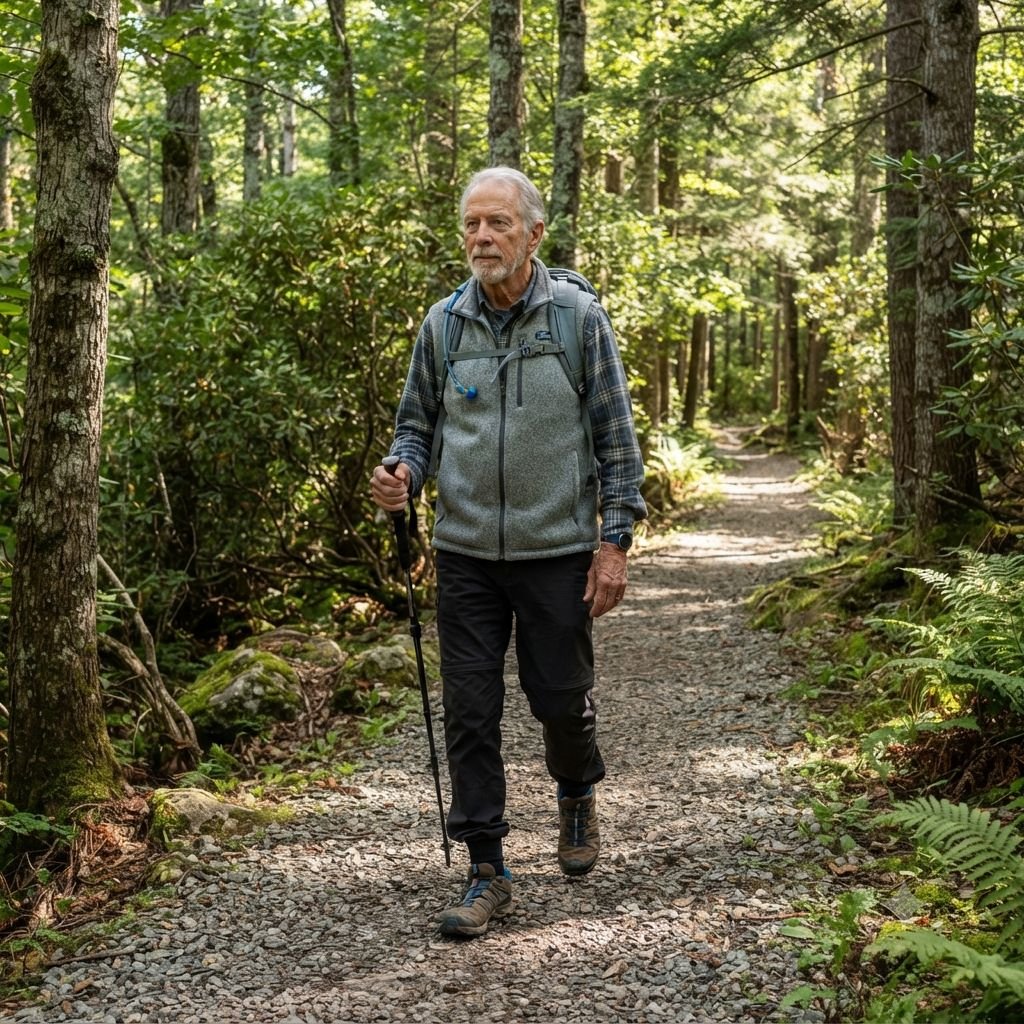
Nordic walking — walking with poles designed for the activity — is a well-documented way to burn more energy at the same walking intensity. Research summarized by the Mayo Clinic found that Nordic walking burns meaningfully more calories over the same distance compared to ordinary walking, largely because the poles actively engage the muscles of the arms, shoulders, chest, and back rather than leaving them mostly passive. An added benefit is that most people don’t perceive Nordic walking as feeling much harder, even though their body is doing more work — and the poles can also improve stability and posture, which is part of why the technique has become popular among older walkers.
If you’re trying it for the first time, a short lesson or instructional video on proper pole technique is worth the time — poor form limits the benefit.
Build in Intervals
Alternating faster and slower segments during a walk is an efficient way to raise the average intensity of your session without needing to sustain your hardest pace the whole time. A simple approach: warm up at an easy pace, then alternate a minute or two of brisk walking with a minute or two of recovery walking, repeating for the bulk of your session. This pattern lets you accumulate more total effort than a single steady pace would, and it also helps break up the monotony of a longer walk.
Choose More Challenging Terrain
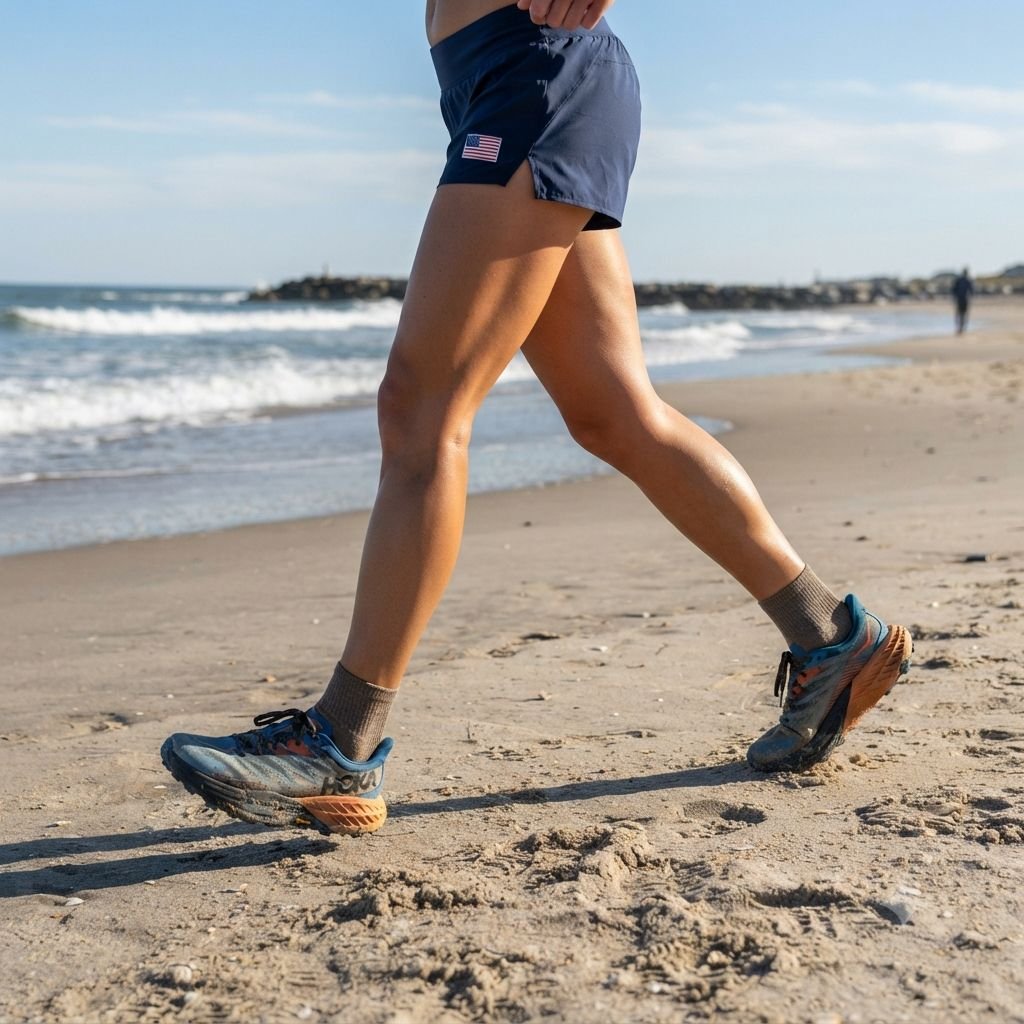
Walking surfaces aren’t all equal. Soft or uneven surfaces — sand, grass, gravel, or natural trails — require more stabilizing effort from your muscles than a flat paved path or treadmill belt, which translates into higher energy expenditure for the same distance. You don’t need to seek out sand dunes specifically; simply choosing a trail route over a flat sidewalk when you have the option adds a bit more challenge for free.
Consider Added Resistance Carefully
Wearing a weighted vest or carrying light hand weights can increase the effort of walking, since your body has to move additional mass with every step. That said, this comes with real trade-offs: too much added weight can alter your natural gait and arm swing, increase strain on your back and joints, and make the walk harder to sustain, which can undercut the benefit if it shortens how long or how often you walk. If you want to experiment with this, start with a light, well-fitted load, keep your posture upright, and prioritize a vest or weights that don’t restrict your natural arm movement. This is optional, not essential — pace, incline, and consistency will do more for most people than added weight.
Benefits of Walking More Efficiently
- More calorie burn without more time. Adjusting pace, incline, or terrain lets you get more out of the walks you’re already doing.
- Improved cardiovascular fitness. Higher-intensity walking, sustained regularly, supports heart health in the same way other moderate-to-vigorous aerobic activity does.
- Stronger lower body and core. Incline walking, uneven terrain, and pole use all recruit muscles that flat, easy walking barely touches.
- Low injury risk compared to running. Even at a brisker pace or on an incline, walking keeps impact forces far lower than running.
- Sustainable and accessible. None of these adjustments require special equipment or a gym membership to get started.
Common Mistakes to Avoid
- Chasing intensity before consistency. It’s more valuable to walk regularly at a moderate effort than to occasionally push hard and then skip days out of fatigue or soreness.
- Ignoring posture. Slouching or looking down at a phone reduces the efficiency of your stride and can strain your neck and back over time.
- Overloading with weight too soon. Jumping straight to a heavy vest or hand weights before your body is used to walking can affect your gait and increase injury risk.
- Only walking on flat, easy routes. If your only route is flat and paved, you’re missing one of the easiest ways to add intensity.
- Neglecting recovery. More intensity means your body needs adequate rest and hydration to keep benefiting from it.
Precautions
Increasing the intensity of your walks — through pace, incline, poles, or added weight — puts more demand on your joints, muscles, and cardiovascular system than a leisurely walk. If you have a heart condition, joint problems, are pregnant, or are returning to exercise after an injury or a long break, talk to a healthcare provider before making significant changes to your walking intensity. Wear supportive, well-fitted shoes suited to the terrain you’re walking on, and increase incline, pace, or added weight gradually rather than all at once. Stop and seek medical attention if you experience chest pain, unusual shortness of breath, or dizziness during a walk.
read also: Weekly Workout Plan for Hourglass Figure
Beginner Advice
If you’re new to walking for exercise, resist the urge to apply every tip above at once. Start with pace and consistency — get comfortable walking briskly for 20 to 30 minutes several times a week — before adding incline, poles, or resistance. Once that feels manageable, introduce one variable at a time, such as a few minutes of incline or a short stretch of trail, and see how your body responds. Progress that builds gradually is far more likely to stick than a routine that feels overwhelming in week one.
FAQs
What’s the single most effective way to burn more calories while walking? Adding incline or hills tends to produce the biggest jump in effort for the least complexity, since it doesn’t require special equipment and works on almost any treadmill or hilly route.
Does walking faster always burn more calories than walking longer? Not necessarily — total calorie burn depends on both intensity and duration. A shorter, faster walk and a longer, easier walk can burn a similar number of calories; the faster walk is more time-efficient, while the longer walk may be easier to sustain for people building the habit.
Are walking poles worth trying? If you enjoy them, yes. Research on Nordic walking shows a real increase in calorie burn compared to standard walking at the same pace, largely from engaging the upper body, and many people don’t find it noticeably harder despite doing more work.
Is a weighted vest necessary for burning more calories while walking? No. It’s an optional tool that can modestly increase effort, but it also carries a higher risk of gait changes and joint strain if the weight is too heavy or poorly distributed. Pace, incline, and terrain are simpler and lower-risk ways to increase intensity.
How often should I walk to see results? Aim for regular, moderate-intensity walking most days of the week rather than occasional intense sessions. Consistency over time matters more for calorie burn and overall fitness than any single high-intensity walk.
Can uneven terrain replace the need for speed or incline? It can contribute meaningfully, but combining a few of these factors — a brisk pace on a trail with some elevation change, for example — will generally have a bigger effect than relying on just one.