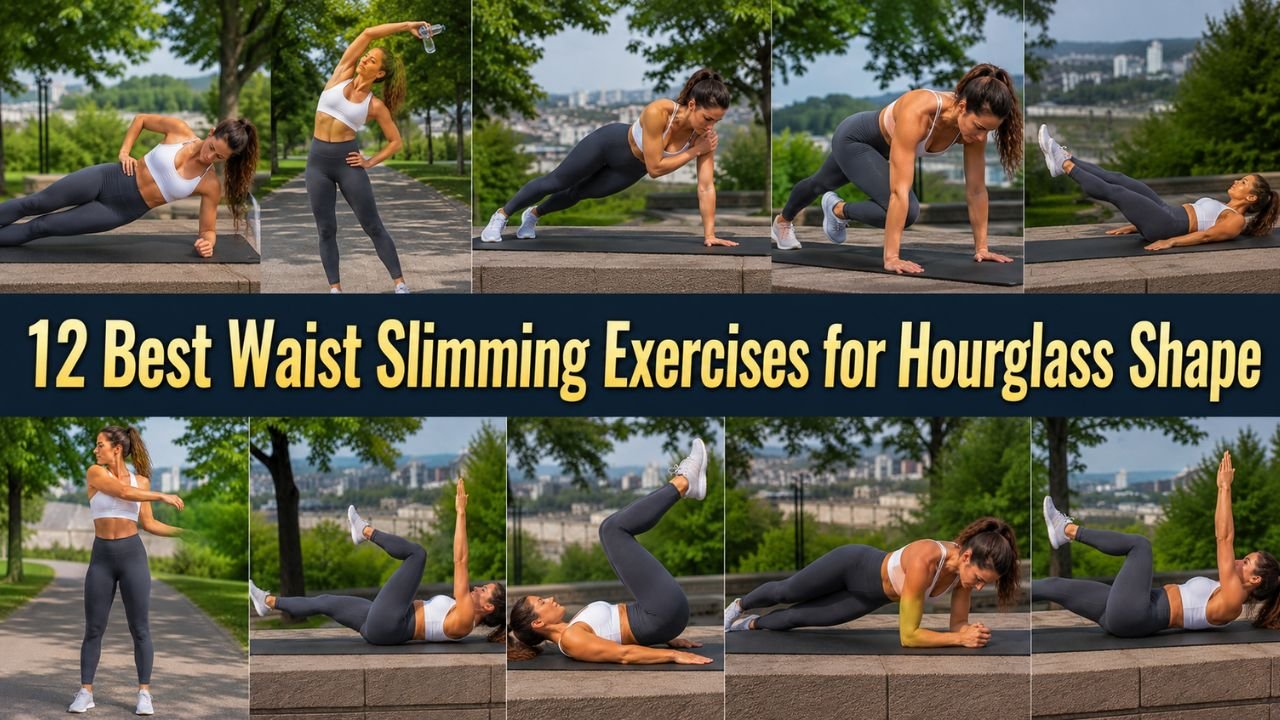
12 Best Waist Slimming Exercises for Hourglass Shape
A lot of women searching for an hourglass silhouette land on the same question: which exercises actually help shape the waist? The truth is more nuanced than most fitness content lets on, but that doesn’t mean the goal is out of reach. The 12 best waist slimming exercises for hourglass shape featured here work by strengthening and toning the core and oblique muscles, improving posture, and supporting overall body composition changes not by magically melting fat from one specific spot. Understanding that distinction upfront will help you set realistic expectations and actually stick with a routine long enough to see results.
Before diving in, it’s worth being clear about something: spot reduction, or losing fat from just one area of the body through targeted exercise, isn’t supported by exercise science. Fat loss tends to happen across the body as a whole, influenced largely by overall calorie balance, not by how many crunches you do. What these exercises can do is build muscle definition and strength in your core and obliques, which affects how your waist looks and feels, and combined with consistent training and a reasonable diet, that can absolutely support a more defined midsection over time.
12 Best Waist Slimming Exercises for Hourglass Shape
1. Standing Oblique Crunches
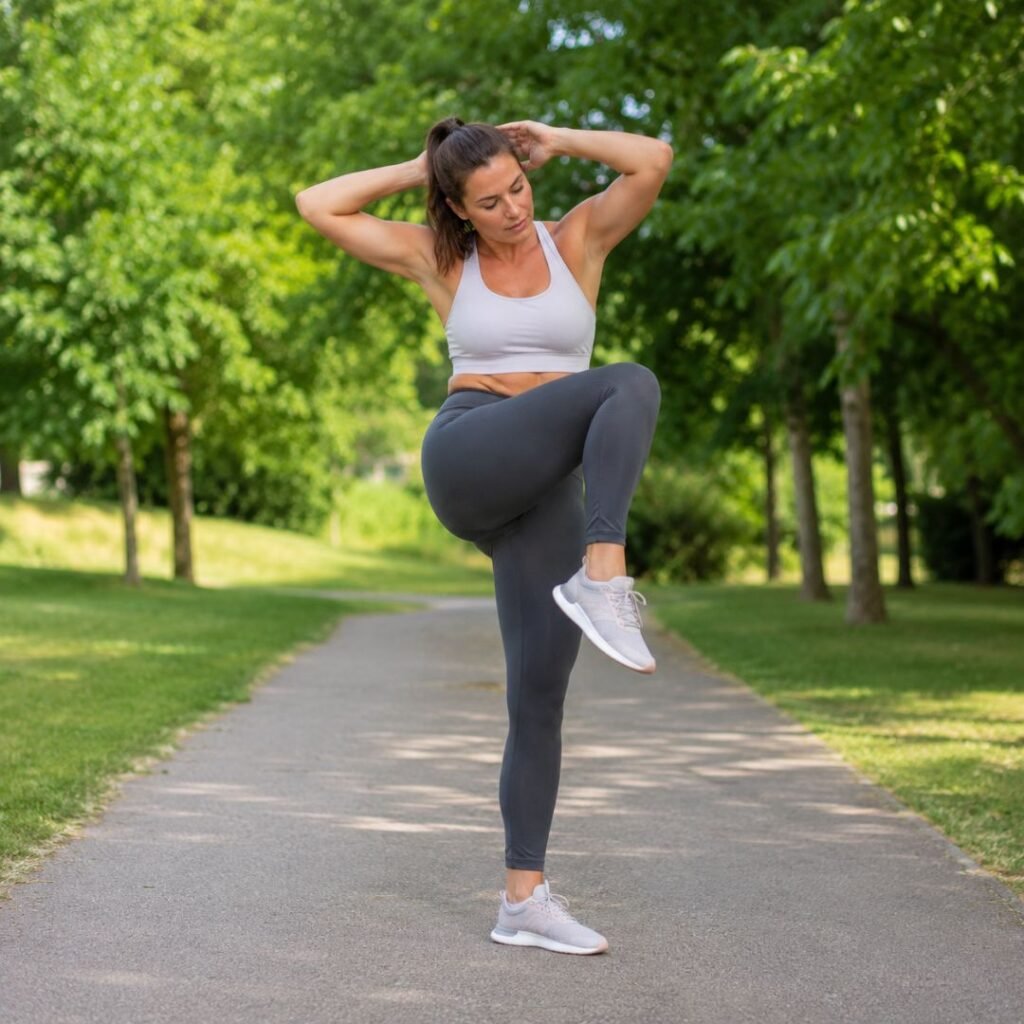
Stand with feet hip-width apart, hands behind your head, and bring one elbow down toward the opposite knee as you lift it. This works the oblique muscles along the sides of your waist without needing to get on the floor, making it an easy one to slot into any part of your day.
2. Russian Twists
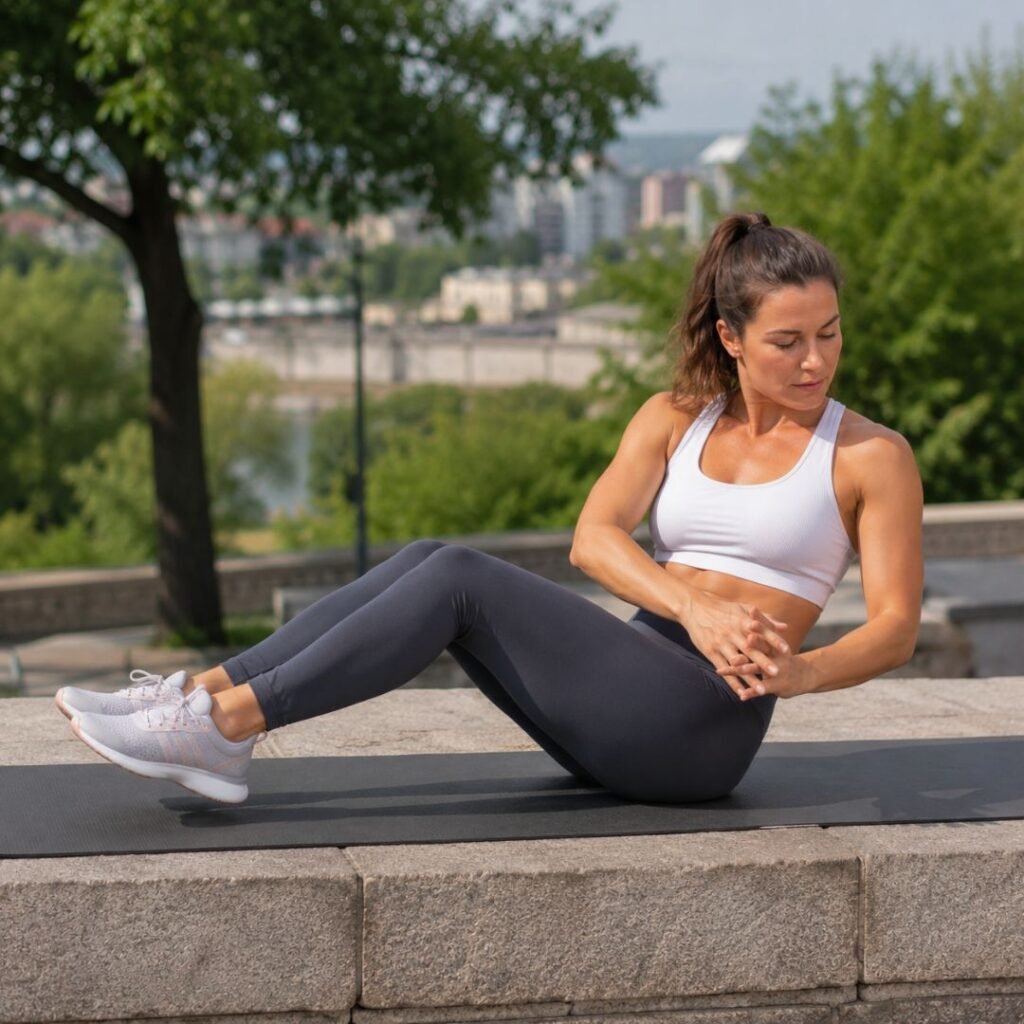
Sit on the floor with your knees bent and lean back slightly, keeping your core engaged. Rotate your torso from side to side, tapping the floor beside your hips if you want an added challenge. This is one of the most effective moves for building rotational core strength, which plays a big role in waist definition.
read also: Home gym ideas on a budget for beginners
3. Bicycle Crunches
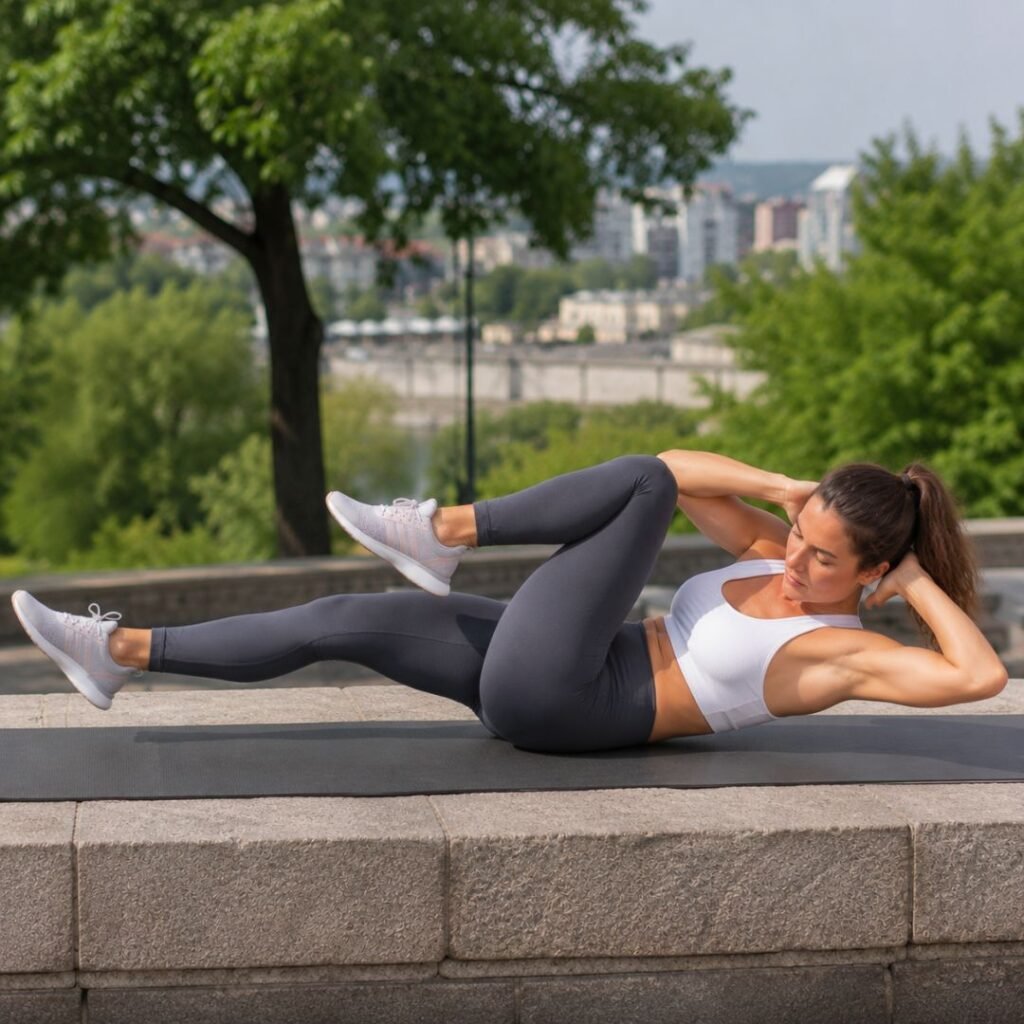
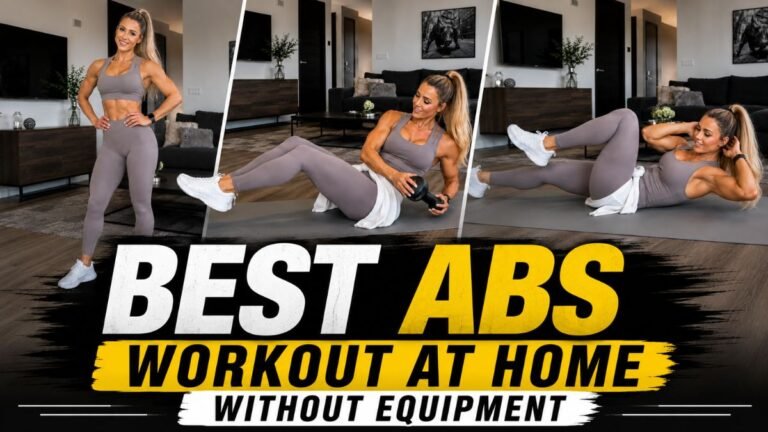
Lying on your back, bring one elbow toward the opposite knee while extending the other leg, then alternate sides in a pedaling motion. Research on core exercises has repeatedly shown bicycle crunches to be among the more effective moves for activating the oblique muscles compared to standard crunches.
4. Side Plank
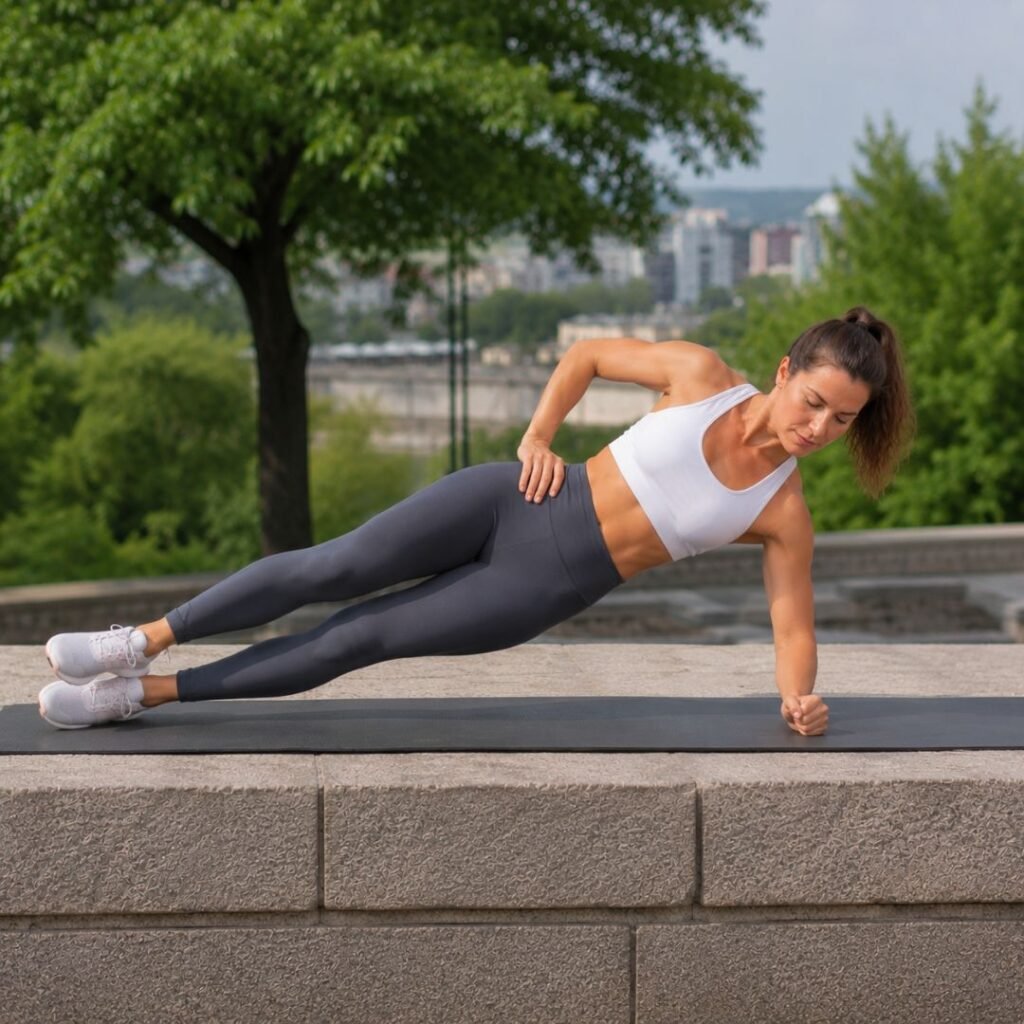
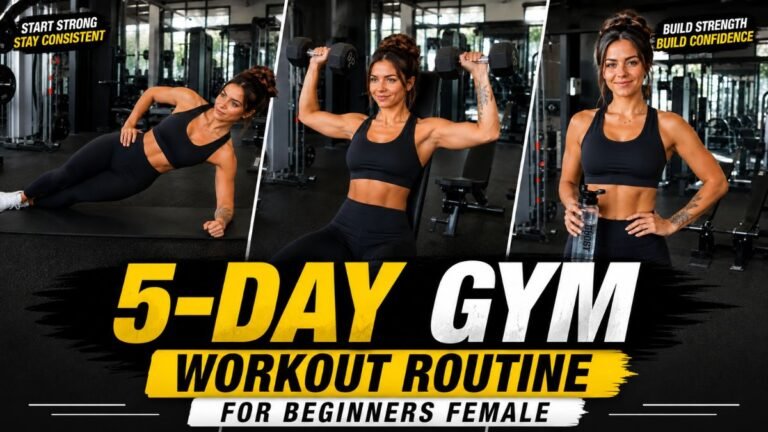
Prop yourself up on one forearm with your body in a straight line, hips lifted off the ground. This isometric hold targets the obliques directly and also builds overall core stability, which supports better posture — something that instantly changes how your waistline appears.
5. Standing Side Bends
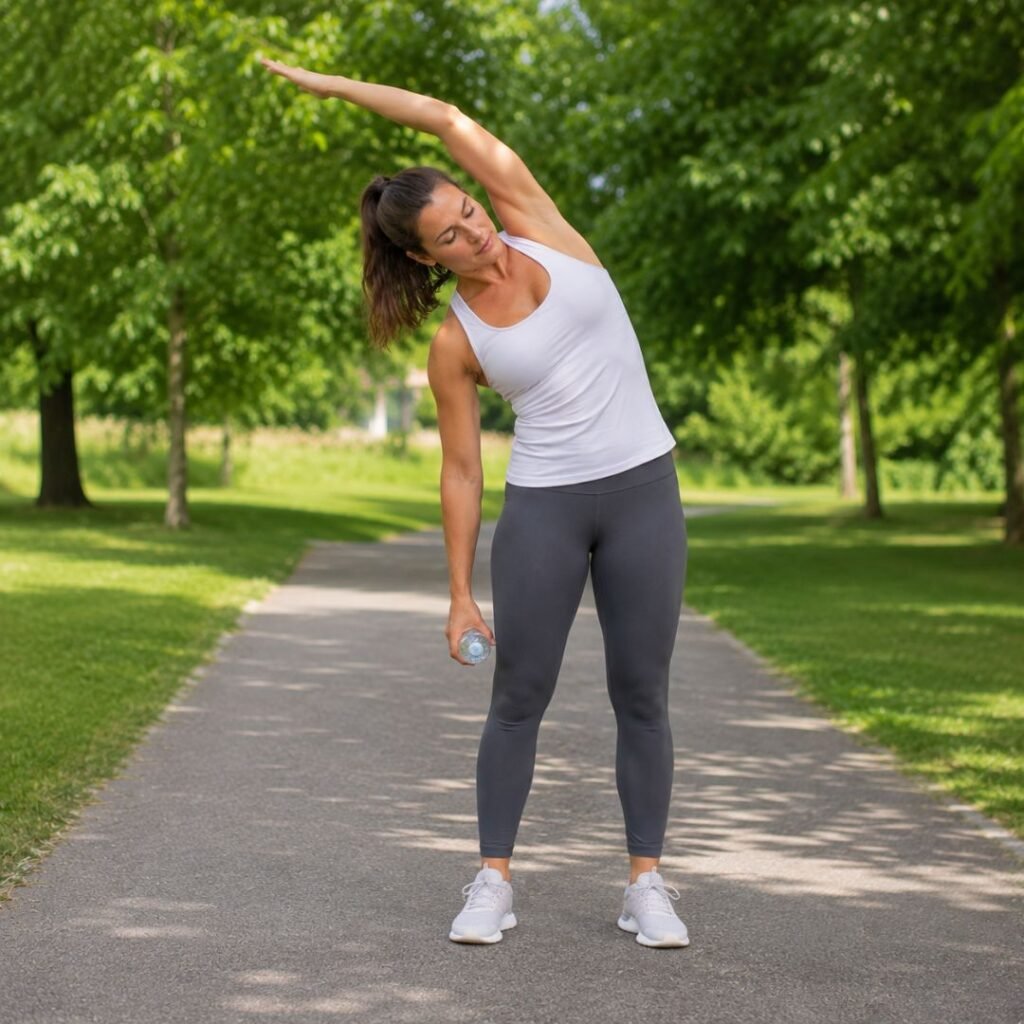
Holding a light weight or even just your body weight, stand tall and bend gently to one side, then the other. This move helps tone the muscles along the sides of your torso, though it’s worth doing with control rather than momentum to avoid straining your lower back.
6. Plank with Shoulder Taps
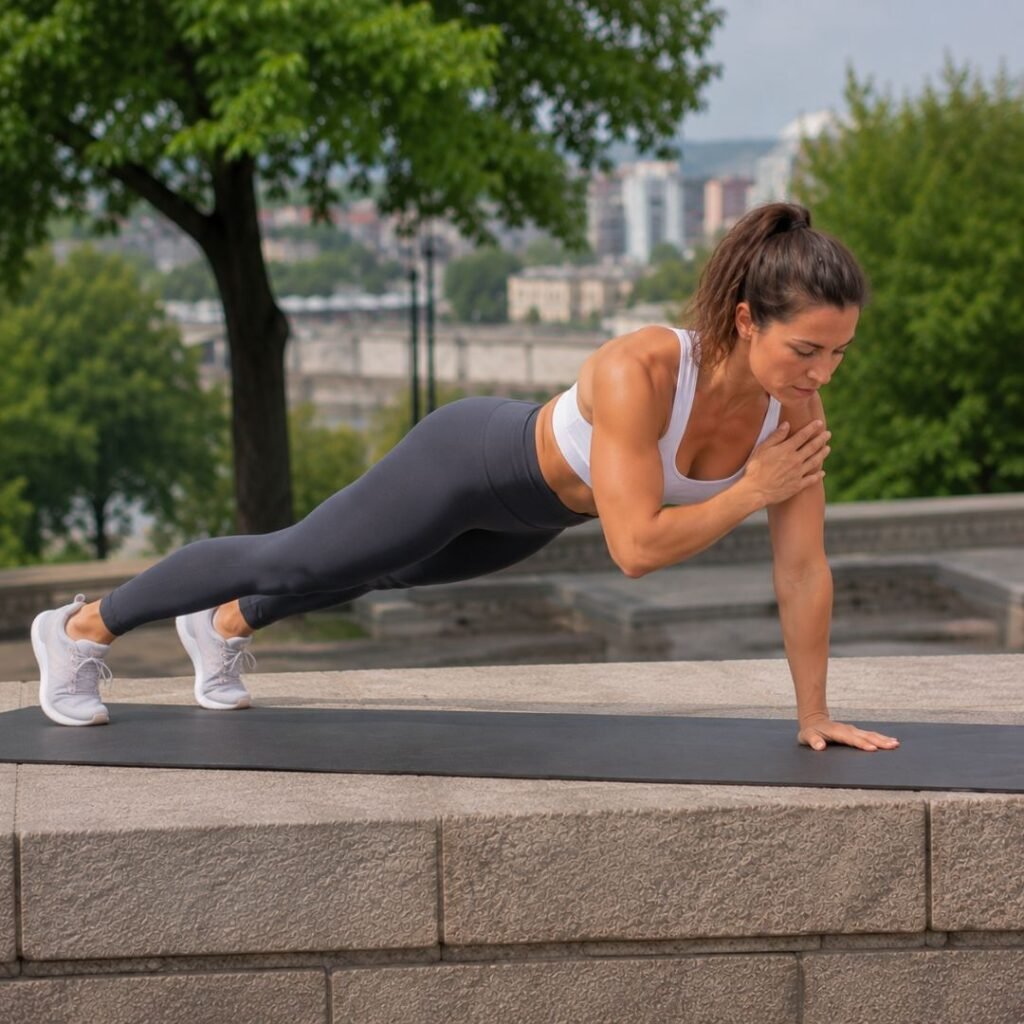
Starting in a high plank position, tap one hand to the opposite shoulder while keeping your hips as stable as possible. This challenges your entire core, including the obliques, while also building shoulder and arm stability.
7. Mountain Climbers
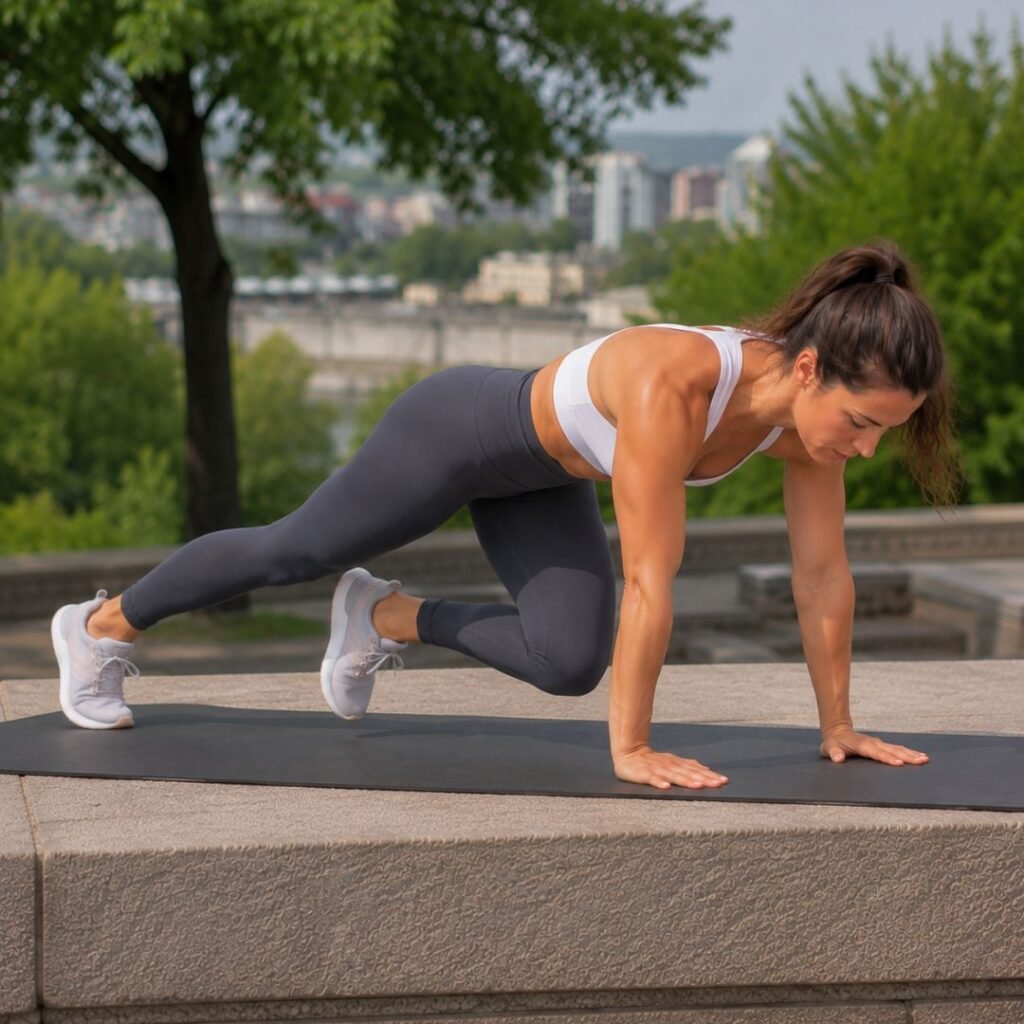
From a plank position, drive your knees toward your chest one at a time in a quick, controlled motion. Beyond working the core, this move gets your heart rate up, which supports the kind of overall calorie burn that contributes to fat loss over time.
8. Flutter Kicks
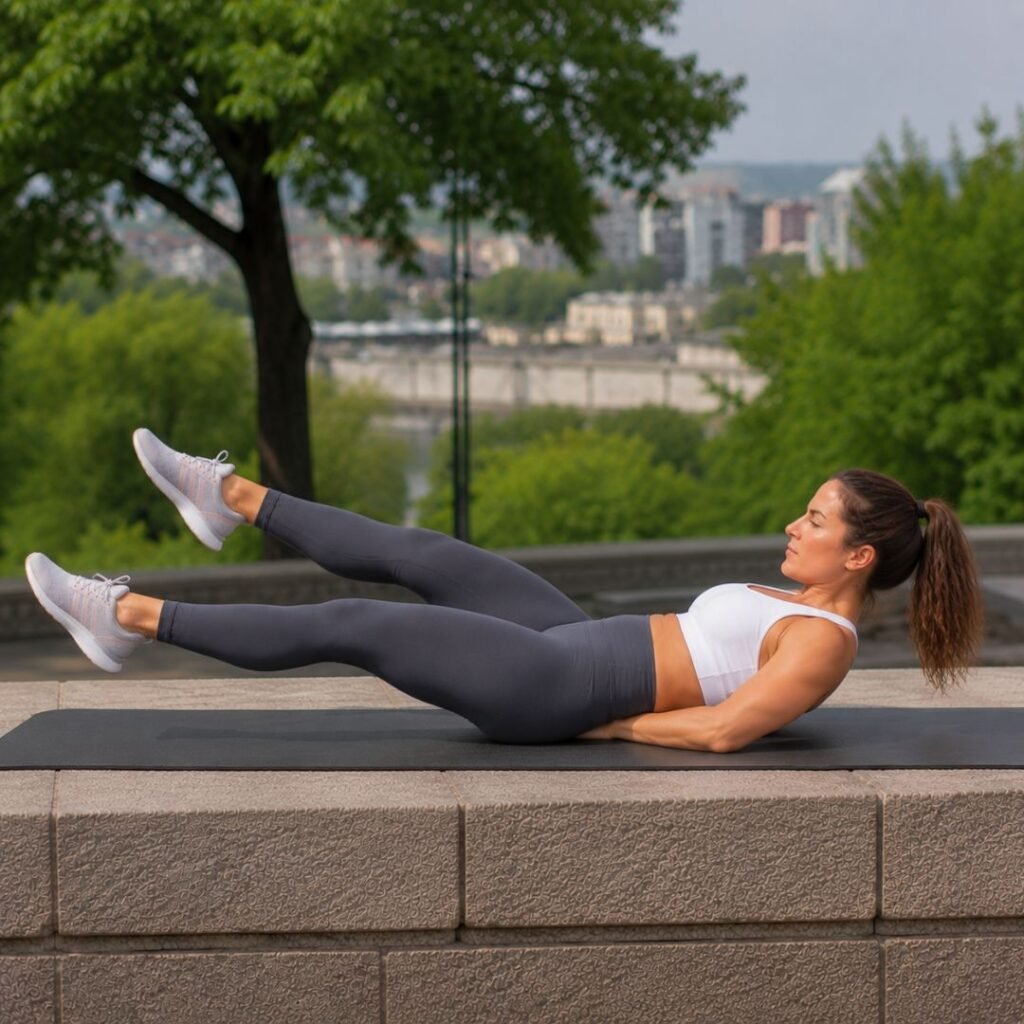
Lying on your back with your lower back pressed into the floor, lift your legs slightly and kick them in a small, controlled up-and-down motion. This targets the lower abdominal region and, when done consistently, contributes to a stronger, more defined core.
9. Standing Torso Rotations
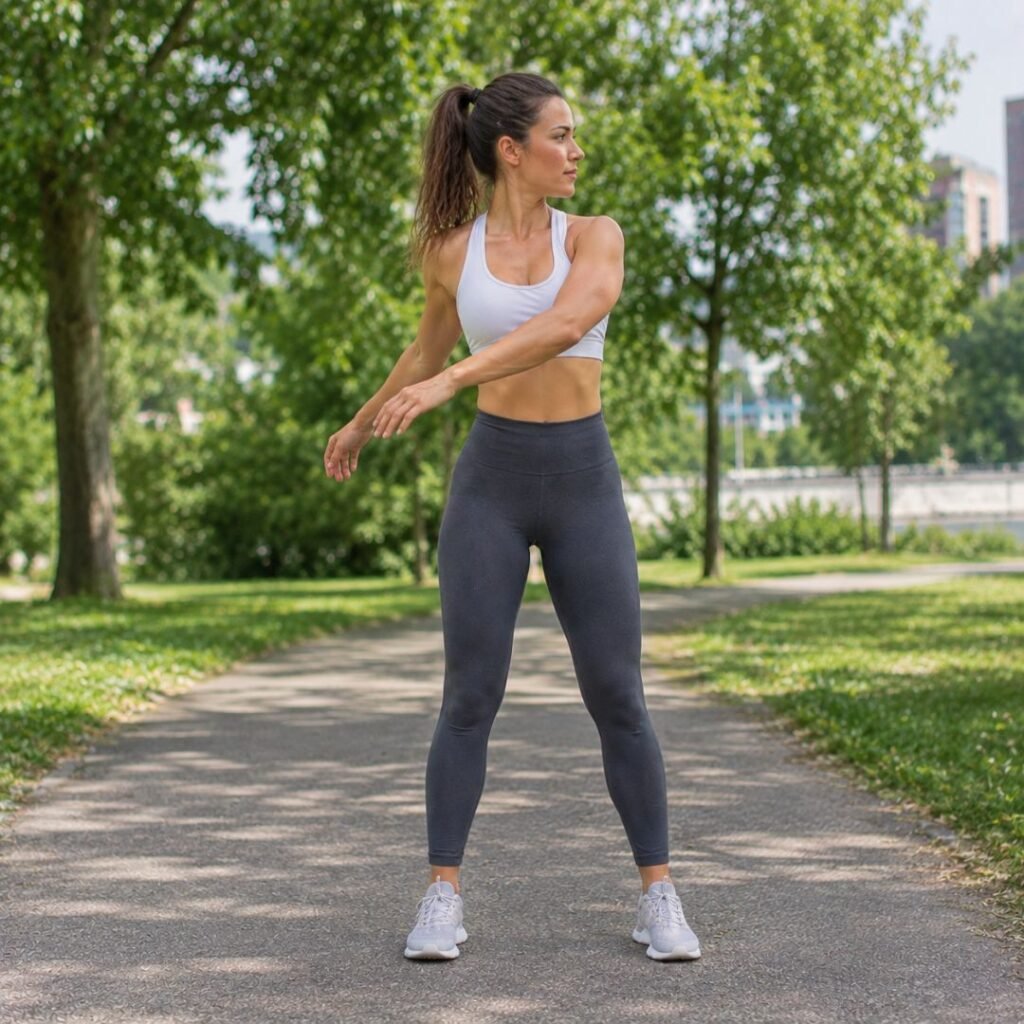
With feet planted and knees soft, rotate your upper body from side to side in a controlled twisting motion, letting your arms swing naturally. This is a gentler move that works well as a warm-up or as part of a lower-intensity day, while still engaging the obliques.
read also: 30 day weight loss challenge for beginners
10. Dead Bug
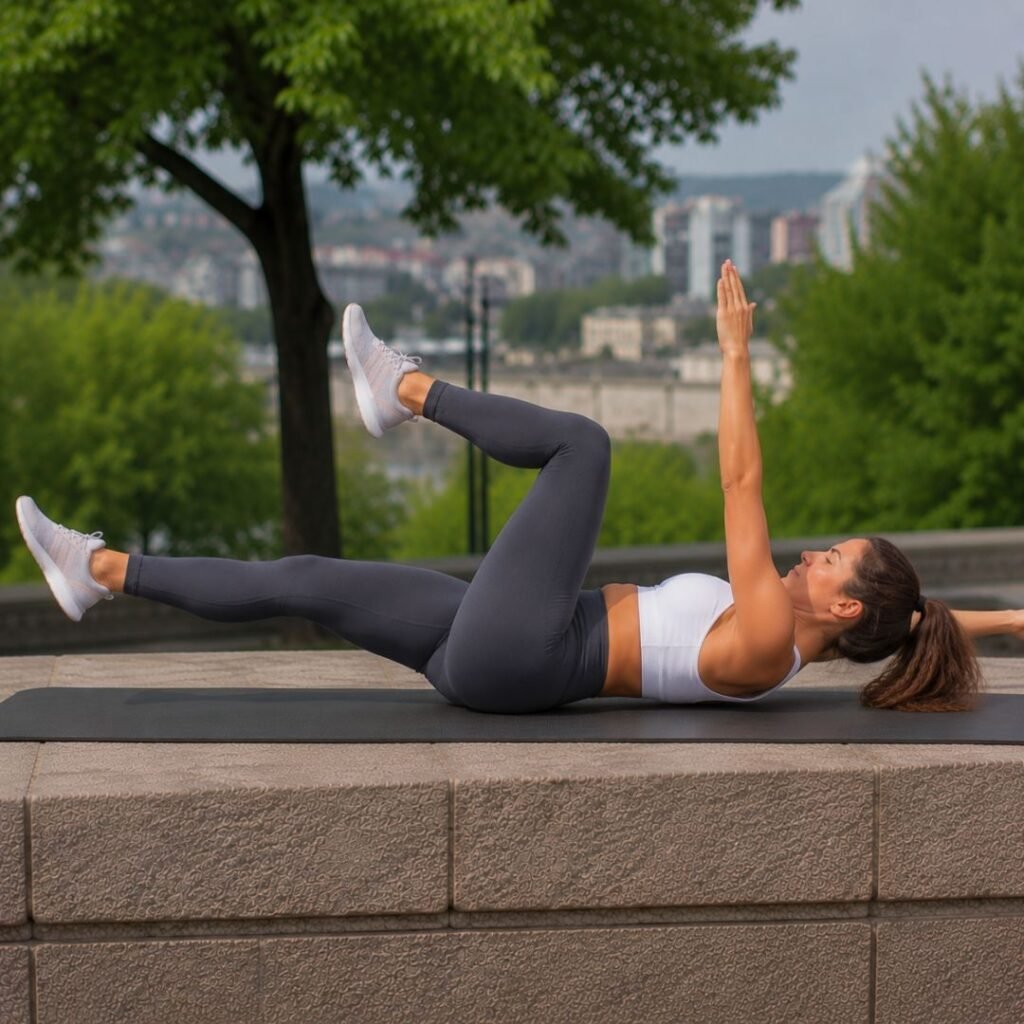
Lying on your back with arms extended toward the ceiling and knees bent at 90 degrees, slowly lower one arm and the opposite leg toward the floor while keeping your lower back pressed down. This exercise is widely recommended by physical therapists for building deep core stability without straining the spine.
11. Reverse Crunches
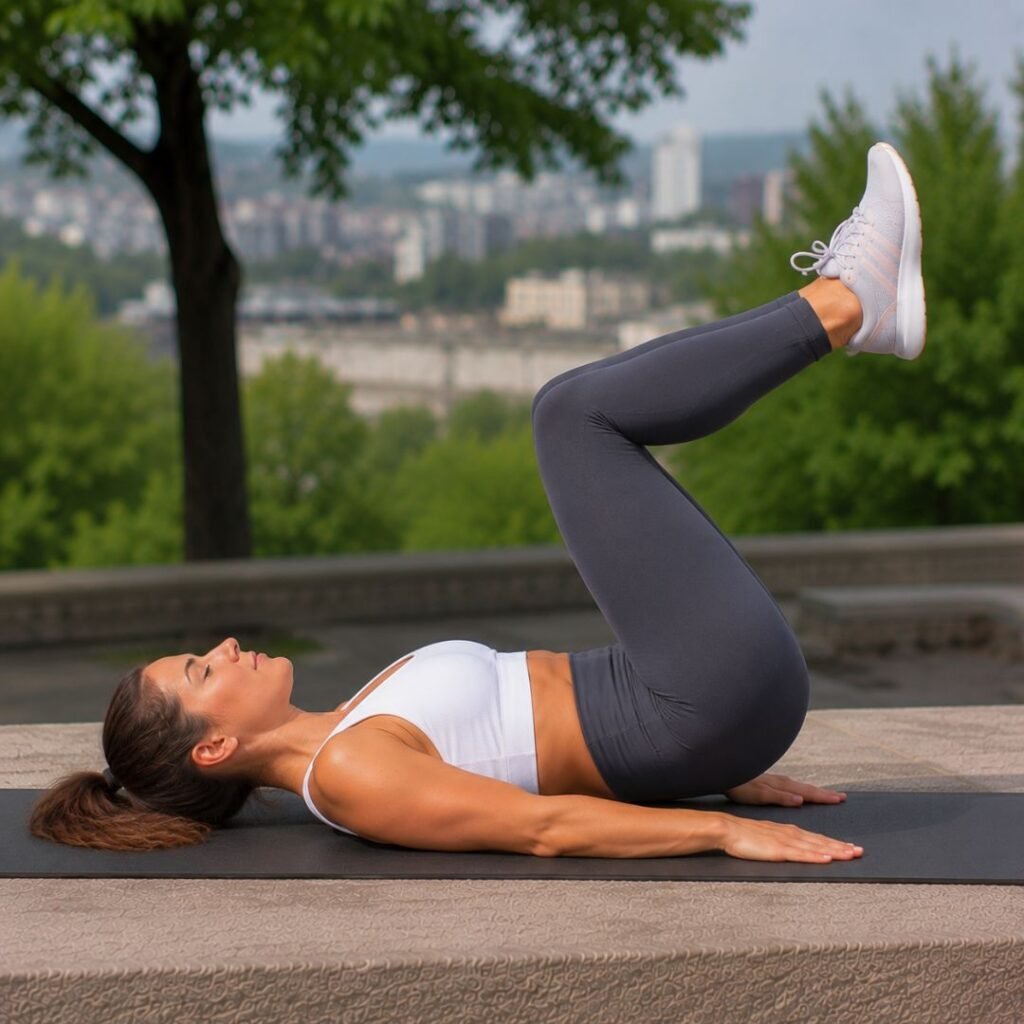
Lying on your back with your hands at your sides, lift your hips off the floor by drawing your knees toward your chest, then lower with control. This move emphasizes the lower abdominal muscles, which are often harder to target with standard crunches.
12. Plank Hip Dips
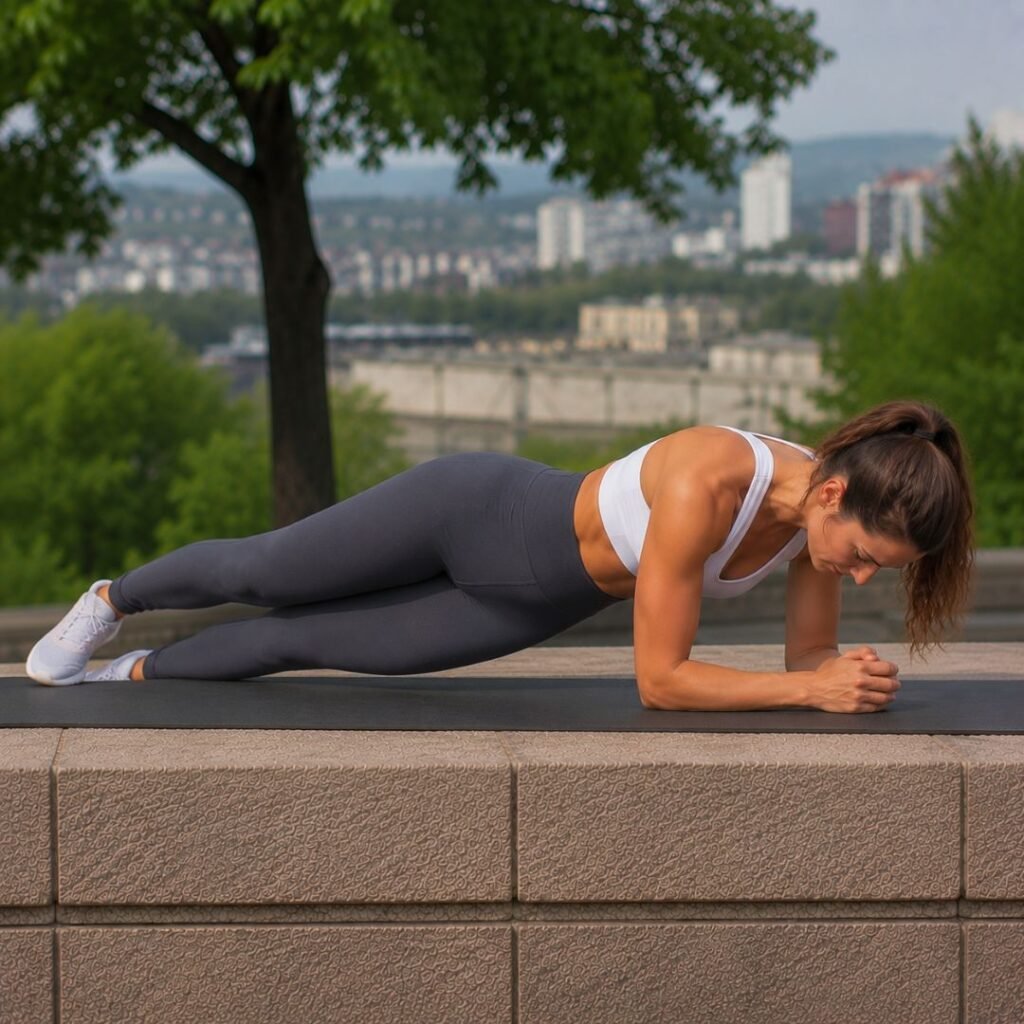
From a forearm plank, rotate your hips side to side, lightly tapping them toward the floor on each side. This adds a rotational element to a standard plank, engaging the obliques more directly while still challenging overall core endurance.
How to Build These Into a Routine
A practical approach is to choose 5 to 6 of these exercises and perform them as a circuit, doing each for 30 to 45 seconds with short rests in between. Repeating the circuit two to three times, three or four days a week, gives your core enough stimulus to build strength without overtraining the same muscles daily. Pairing this with regular cardio and strength training for the rest of your body supports the broader fat loss and muscle tone that actually shapes your overall silhouette.
Benefits of Core-Focused Training
- Improved posture. A stronger core naturally pulls your shoulders back and lengthens your spine, which can make your waist appear more defined even before any physical changes occur.
- Better balance and stability. Oblique and core strength support nearly every other exercise and daily movement, reducing your risk of lower back strain.
- Functional strength. A strong midsection makes everyday tasks like lifting, twisting, and bending noticeably easier.
- Confidence in movement. As core strength builds, many people notice they feel more stable and capable in other workouts too, which can create positive momentum across your whole fitness routine.
Common Mistakes to Avoid
- Relying only on ab exercises for fat loss. As mentioned earlier, spot reduction isn’t how fat loss works. Pairing core work with full-body strength training and cardio gets you much closer to visible results.
- Using momentum instead of control. Swinging through moves like Russian twists or side bends reduces their effectiveness and increases injury risk. Slow, controlled reps matter more than speed.
- Skipping rest days. Core muscles need recovery time just like any other muscle group. Training them every single day without rest can actually slow progress.
- Ignoring nutrition. No amount of waist exercises will outpace a diet that consistently exceeds your calorie needs. Diet and training work together, not separately.
Precautions to Keep in Mind
If you have lower back issues, a hernia, or are pregnant or postpartum, check with a doctor or physical therapist before starting core-focused exercises like these, since certain moves may need to be modified or avoided. Pay attention to your form, particularly with twisting movements, and stop if you feel sharp pain rather than typical muscle fatigue. Building core strength safely is a long-term process, not something to rush.
Frequently Asked Questions
Can these exercises actually make my waist smaller? They can strengthen and tone the muscles in your midsection, which affects definition and posture. Actual waist size reduction depends largely on overall fat loss, which comes from a combination of diet, cardio, and total-body strength training.
How often should I do waist-focused exercises? Three to four times a week, with rest days in between, is generally enough to see strength and tone improvements without overtraining the area.
Is it true that ab exercises alone won’t give you a flat stomach? Yes. Visible abdominal definition depends heavily on overall body fat levels, which exercise alone can influence but usually needs to be paired with nutrition changes to see clearly.
Do I need equipment for these exercises? No. All 12 exercises can be done with just body weight, though a light dumbbell can be added to moves like standing side bends for extra resistance as you progress.
How long before I see results? Strength improvements often show up within a few weeks of consistent training, but visible changes in waist definition typically take longer and depend on your overall fitness and nutrition habits.