
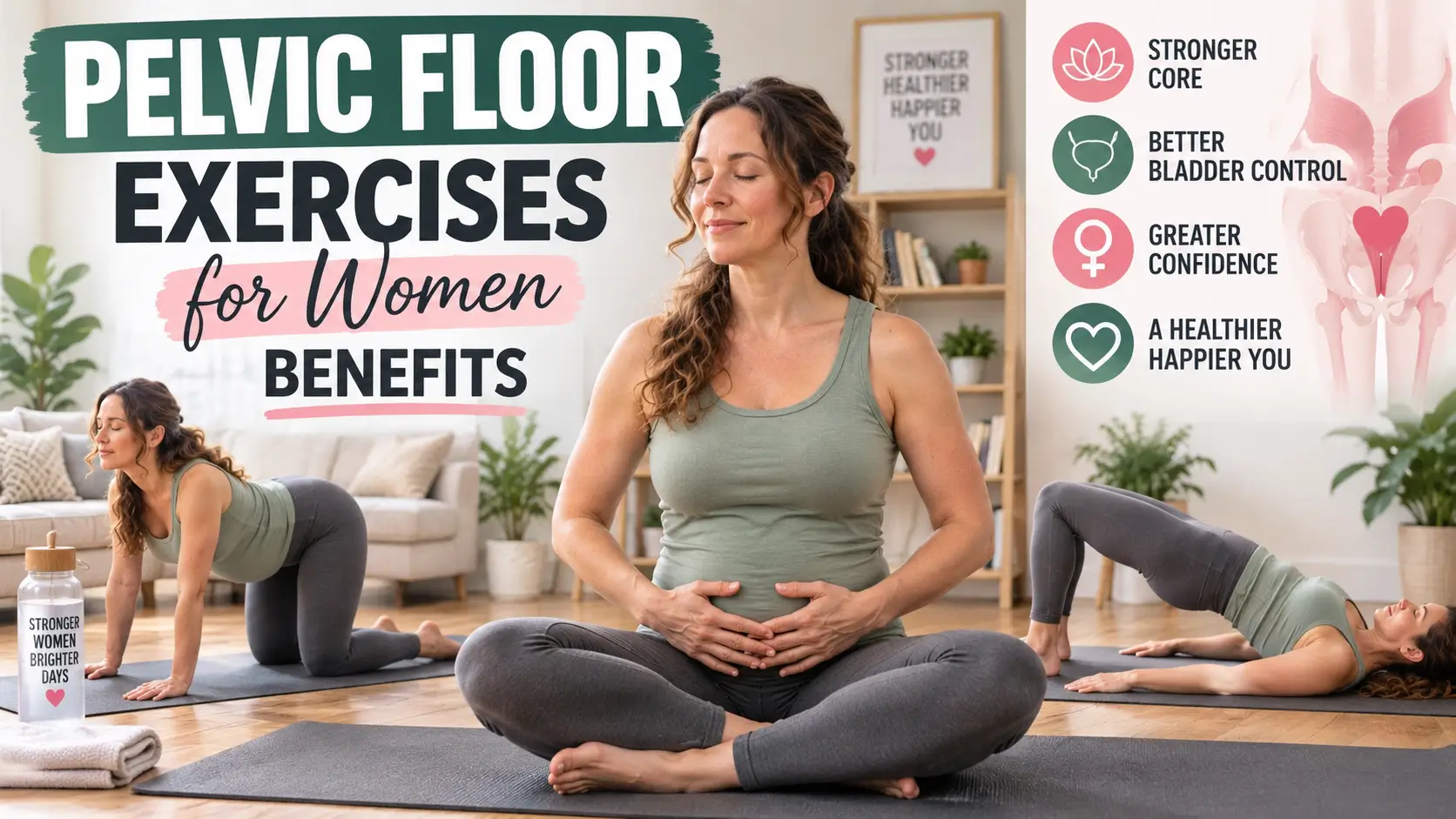
Pelvic Floor Exercises for Women Benefits You Should Know
If you’ve heard the term “Kegels” thrown around but never quite understood why they matter, the benefits of pelvic floor exercises for women go well beyond a vague wellness trend — they’re one of the most evidence-backed ways to support bladder control, core stability, and recovery after pregnancy or surgery. These exercises target a group of muscles most people never think about until something goes wrong, and the good news is that strengthening them doesn’t require equipment, a gym, or even leaving your chair.
What the Pelvic Floor Actually Does
Your pelvic floor is a hammock-like group of muscles that stretches across the bottom of your pelvis, supporting your bladder, uterus, and rectum. According to the Mayo Clinic, these muscles help control the release of urine, stool, and gas, and they play a role in sexual function as well. Like any other muscle group in your body, they can become weak or stretched out — commonly due to pregnancy, childbirth, aging, being overweight, or chronic straining from constipation or coughing — and like any other muscle group, they can be strengthened through targeted exercise.
read also: Top 12 Essential Gym Equipment for Home
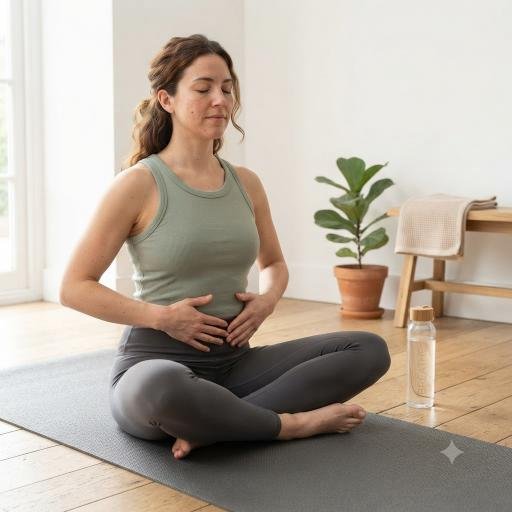
The Main Benefits of Pelvic Floor Exercises
Better bladder control. The most well-documented benefit of pelvic floor exercises is a reduction in urinary incontinence — the involuntary leaking of urine, whether that happens with a sneeze, a laugh, a cough, or a sudden urge to go. The Cleveland Clinic notes that strengthening these muscles is a first-line approach recommended for exactly this kind of leakage.
Support for pelvic organs. A stronger pelvic floor helps hold your pelvic organs in their proper position, which can reduce or help manage symptoms of pelvic organ prolapse, a condition where organs like the bladder or uterus shift downward and press into the vaginal wall.
Improved bowel control. The same muscles that support bladder control also help prevent fecal incontinence and unwanted gas leakage, since they wrap around the rectum as well as the urethra.
Pregnancy and postpartum recovery. Pelvic floor exercises are commonly recommended during and after pregnancy, since childbirth is one of the most common causes of pelvic floor weakening. Many prenatal and postpartum care providers include this training as a standard part of recovery guidance.
Sexual health benefits. A stronger pelvic floor is associated with improved sexual sensation and function for many women, since these muscles are directly involved in vaginal tone and contraction during intercourse.
A foundation for core stability. The pelvic floor works together with your deep abdominal muscles, diaphragm, and back muscles as part of your body’s core system, so strengthening it can support overall core function and posture.
read also: Top 60 Fitness Motivational Quotes for Women
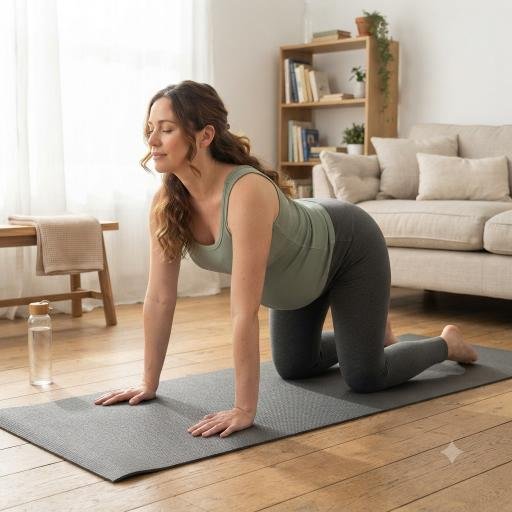
How to Find and Train the Right Muscles
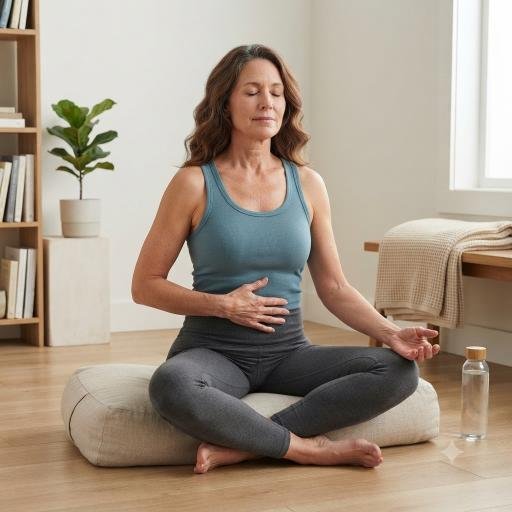
Before you can strengthen your pelvic floor, you need to correctly identify it — a step people frequently skip. One common way to locate these muscles is to imagine you’re trying to stop the flow of urine midstream, or trying to hold in gas; the muscles you feel tighten are your pelvic floor. Once you know what the contraction feels like, you don’t need to keep practicing this way regularly, since doing so during actual urination can interfere with fully emptying your bladder.
Basic Kegel technique:
- Tighten your pelvic floor muscles and hold for about three to five seconds.
- Relax completely for an equal count.
- Repeat for a set of 10, aiming for a few sets throughout the day.
- Breathe normally throughout — don’t hold your breath, and avoid tightening your stomach, thighs, or buttocks instead of the target muscles.
Consistency matters more than intensity here. According to the Mayo Clinic, most people notice results — such as less frequent leakage — within a few weeks to a few months of regular practice, and the benefits tend to fade if the exercises are dropped altogether, so they work best as an ongoing habit rather than a short-term fix.
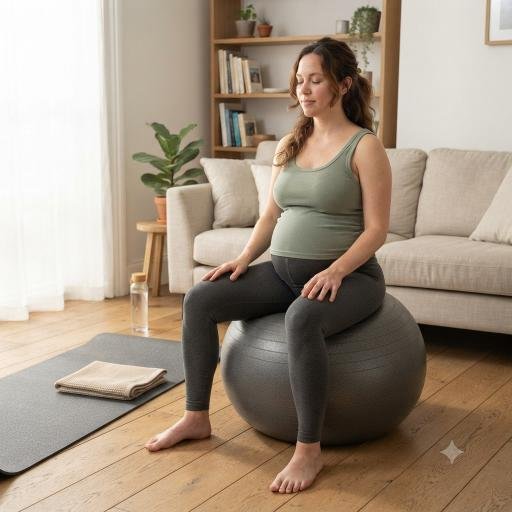
Practical Tips for Making These Exercises Stick
- Pair them with a daily habit. Doing a set while brushing your teeth, waiting for coffee to brew, or sitting at a red light makes them easy to remember.
- Start small. If three-second holds are difficult at first, start with shorter holds and build up gradually.
- Mix short and long holds. Some routines combine quick, strong contractions with longer, sustained ones to train both fast-twitch and slow-twitch muscle fibers in this area.
- Track your consistency, not just your reps. A habit done consistently for months matters more than a single intense session.
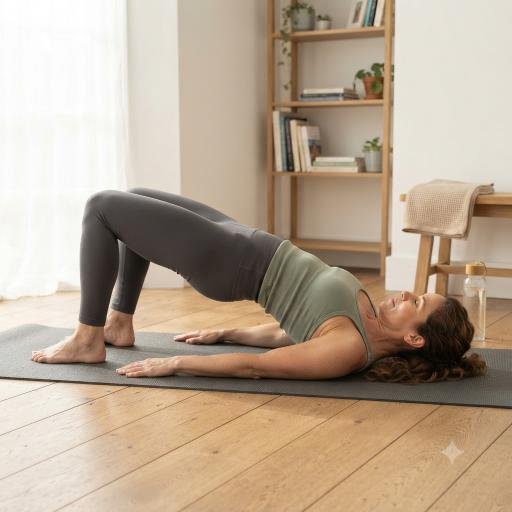
- Combine with core-friendly movement. Gentle exercises like pelvic tilts, bridges, and certain yoga or Pilates poses can complement direct pelvic floor training by supporting overall core coordination.
Common Mistakes to Avoid
- Tightening the wrong muscles. Many people unintentionally clench their abdominal, thigh, or glute muscles instead of isolating the pelvic floor, which reduces the exercise’s effectiveness.
- Holding your breath. This creates unnecessary tension and pressure instead of a clean, isolated contraction.
- Practicing while urinating regularly. Using urination as a way to check your technique occasionally is fine, but doing it every time can interfere with fully emptying your bladder and may contribute to urinary tract issues over time.
- Expecting immediate results. Like any strength training, this takes weeks of consistent practice before changes become noticeable.
- Stopping once symptoms improve. Because these are muscles like any other, benefits can fade without ongoing maintenance.
- Assuming stronger is always better. An overly tight, tense pelvic floor can also cause problems, including pain during intercourse — more isn’t automatically better if the muscles aren’t relaxing properly between contractions.
Precautions
Pelvic floor exercises are generally low-risk, but they aren’t automatically right for everyone or every symptom. The Mayo Clinic notes that Kegels are less helpful for people with severe leakage that occurs with sneezing or coughing, or for overflow incontinence caused by a full bladder — these situations often need a different approach. If you have pelvic pain, a history of pelvic floor dysfunction involving overly tight muscles, or you’re recovering from childbirth or pelvic surgery, it’s worth checking with a healthcare provider or a pelvic floor physical therapist before starting, since the right approach can differ significantly from person to person. A pelvic health specialist can also help confirm you’re contracting the correct muscles, since it’s common to get this wrong without guidance.
Beginner Advice
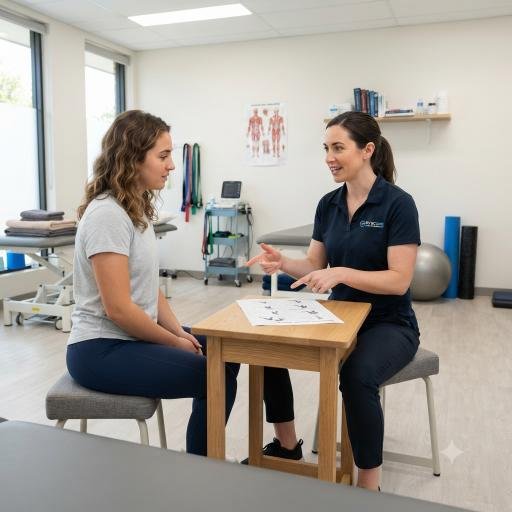
If you’re just starting out, don’t worry about doing dozens of repetitions right away. Begin with a small, manageable number of sets — even three sets of ten contractions spread across the day — and prioritize correct technique over volume. Spend your first week or two simply getting comfortable identifying and isolating the muscles before worrying about hold times or intensity. If you’re unsure whether you’re doing them correctly, a doctor, gynecologist, or pelvic floor physical therapist can check your technique, and some clinics offer biofeedback tools that show you in real time whether you’re engaging the right muscles.
FAQs
How often should I do pelvic floor exercises? Most guidance suggests a few sets of 10 contractions, done a few times throughout the day, performed consistently as part of a daily routine.
Can men do pelvic floor exercises too? Yes. While they’re often discussed in the context of women’s health, men have the same muscle group, and it supports similar functions, including bladder control and sexual health.
How long until I notice a difference? Based on general clinical guidance, most people notice improvements — such as fewer instances of leakage — within a few weeks to a few months of consistent practice.
Are pelvic floor exercises safe during pregnancy? Generally, yes, and many prenatal care providers actively recommend them. That said, it’s a good idea to confirm with your own doctor or midwife, especially if you have any pregnancy complications.
Can pelvic floor exercises fix pelvic organ prolapse completely? They can help support the pelvic organs and may ease mild symptoms, but more significant prolapse often requires additional treatment. A healthcare provider can advise on what’s appropriate for your specific situation.
Is it possible to do these exercises incorrectly? Yes — it’s a common issue. Many people accidentally engage their abdominal, thigh, or glute muscles instead of the pelvic floor. If you’re not seeing results after consistent practice, it’s worth having your technique checked by a professional.