25 Best Simple Exercises to Reduce Belly Fat for Female at Home
If you’re searching for simple exercise to reduce belly fat for female at home, the good news is you don’t need a gym membership, fancy equipment, or hours of free time to get started. The 25 exercises below can all be done in your living room with little more than a mat and, for a few moves, a light pair of dumbbells. As with any belly fat goal, no single exercise burns fat from your midsection specifically — that’s called spot reduction, and it isn’t how the body works. What actually helps is a mix of cardio, strength training, and core work that reduces overall body fat over time, and that’s exactly what this list is built around.
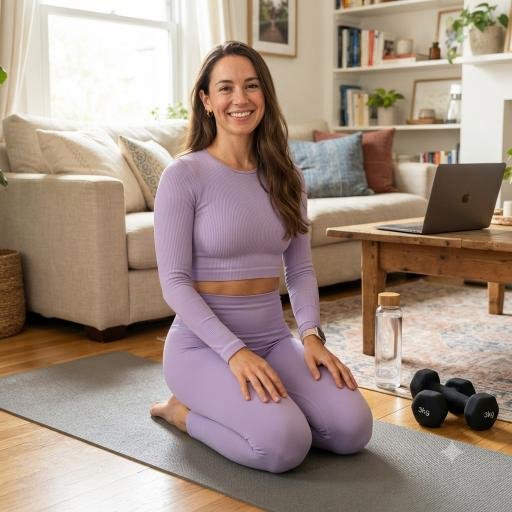
Why These Exercises Work Together
Your body doesn’t let you choose where fat comes off first — genetics and hormones largely decide that. What you can control is your overall activity level and the muscle you build, both of which support long-term fat loss and a stronger core underneath. That’s why this list combines cardio-style movements that raise your heart rate, strength exercises that build muscle, and core-focused moves that tighten and stabilize your midsection. Doing a mix, consistently, is far more effective than repeating the same ab exercise every day.
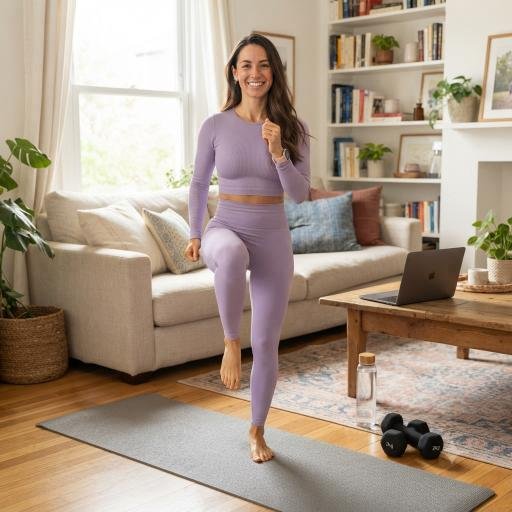
1. Marching in Place
A gentle way to warm up and get your heart rate moving without any impact. Stand tall and lift alternating knees toward your chest at a steady pace for 1–2 minutes.
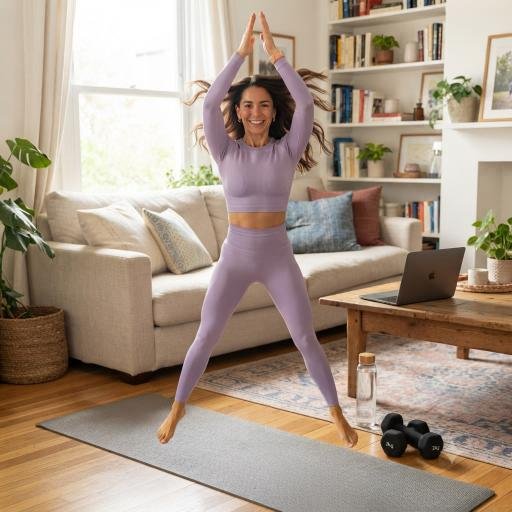
2. Jumping Jacks
A classic full-body cardio move that raises your heart rate quickly. Jump your feet out while raising your arms overhead, then jump back to start. Do 30–45 seconds at a time.
read also: Top 15 Gym Clothes Women Lululemon (And Why They Actually Work)
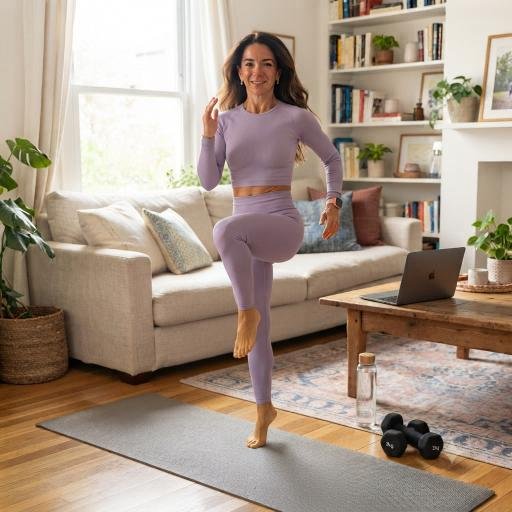
3. High Knees
Standing in place, drive your knees up toward your chest as quickly as you comfortably can, alternating legs. This is an effective way to combine cardio with core engagement.
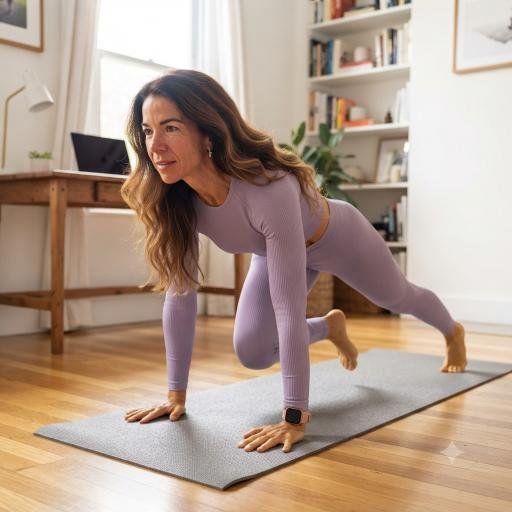
4. Mountain Climbers
Starting in a plank position, drive your knees alternately toward your chest in a running-like motion. This works your core while also elevating your heart rate.
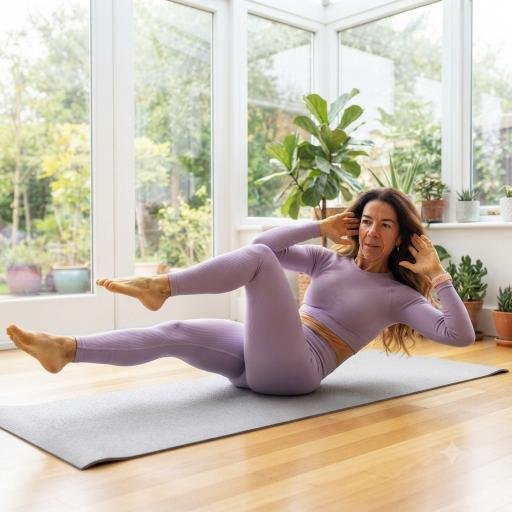
5. Bicycle Crunches
Lying on your back, bring one elbow toward the opposite knee while extending the other leg, alternating sides in a pedaling motion. This is commonly recommended for engaging both the front and side abdominal muscles.
6. Standard Crunches
Lying on your back with knees bent, lift your shoulders off the floor using your abdominal muscles, then lower with control. Keep the movement slow rather than yanking on your neck.
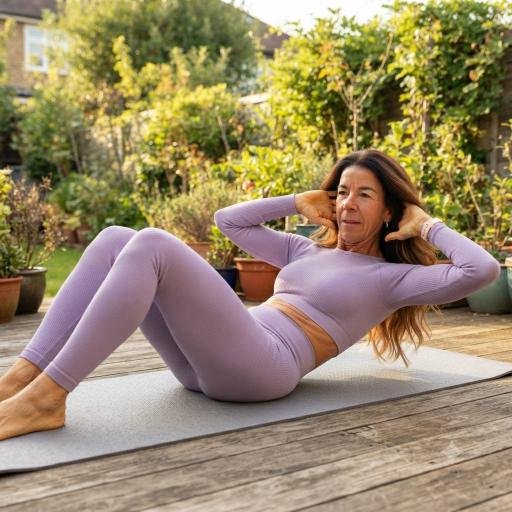
7. Reverse Crunches
Lying on your back with knees bent toward your chest, lift your hips slightly off the floor by contracting your lower abs, then lower with control. This shifts emphasis toward the lower abdominal region.
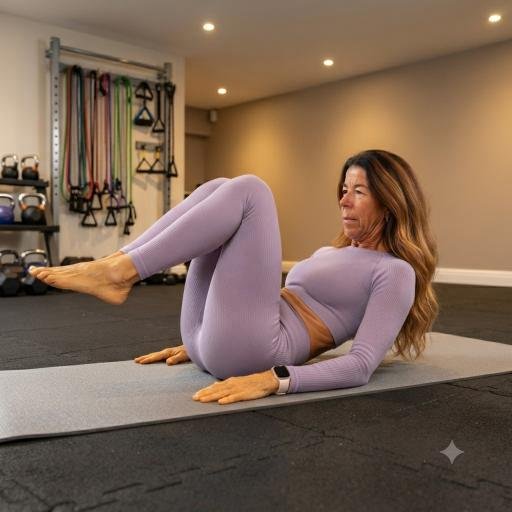
8. Plank
Hold your body in a straight line from head to heels, resting on your forearms and toes (or knees for an easier version). This builds core stability without repeated spinal movement, making it a lower-strain alternative to crunches.
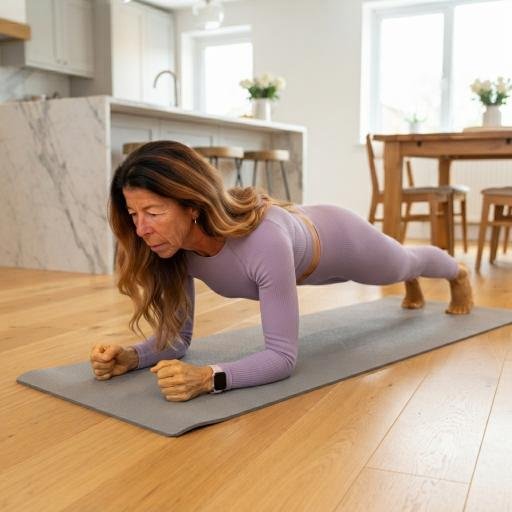
9. Side Plank
Resting on one forearm with your body in a straight line, hold this position to target your obliques — the muscles along the sides of your waist. Switch sides evenly.
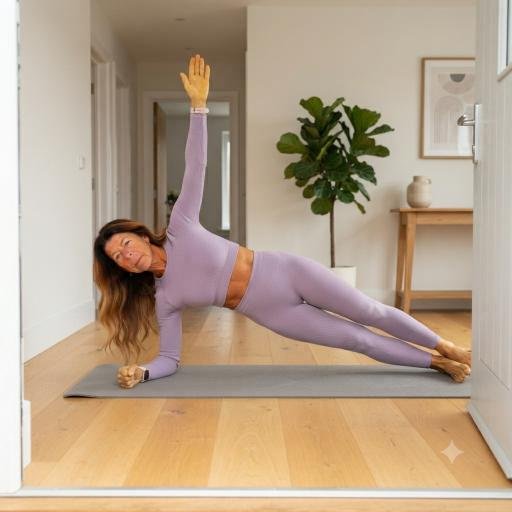
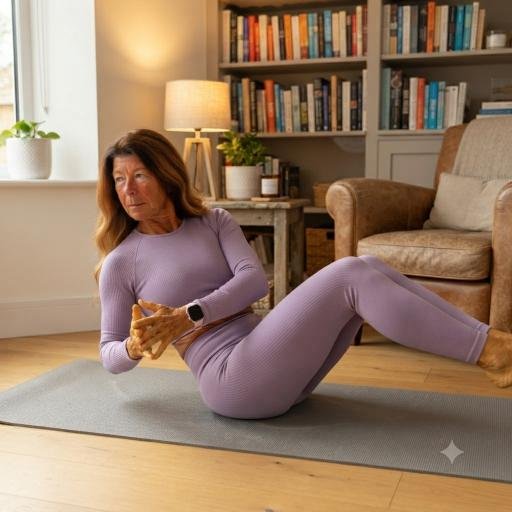
10. Russian Twists
Sitting with knees bent and torso leaned slightly back, twist your torso side to side, tapping the floor beside your hips. You can hold a light dumbbell for added resistance once the movement feels comfortable.
read also: Top 10 Alo Yoga Matching Sets
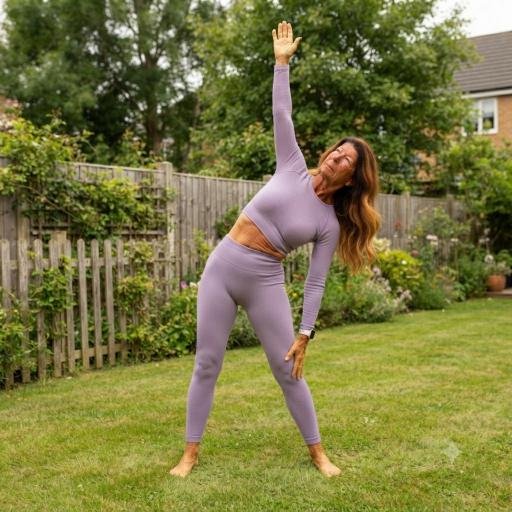
11. Standing Side Bends
Standing with feet hip-width apart, slide one hand down toward your knee while bending to that side, then return to center and repeat on the other side. This works the obliques in a low-impact, standing position.
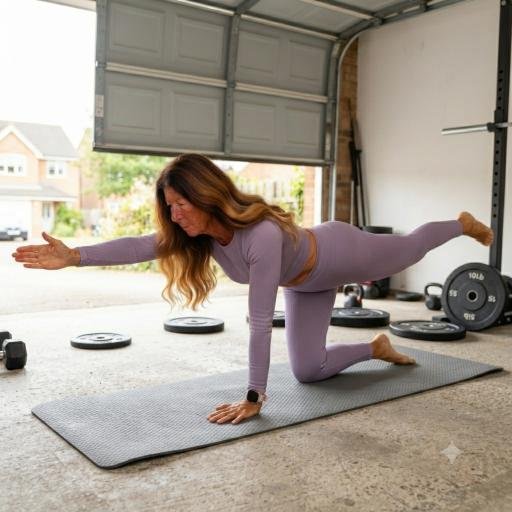
12. Bird Dog
On hands and knees, extend one arm forward and the opposite leg back at the same time, keeping your hips level, then return and switch sides. This trains deep core stability while protecting your lower back.
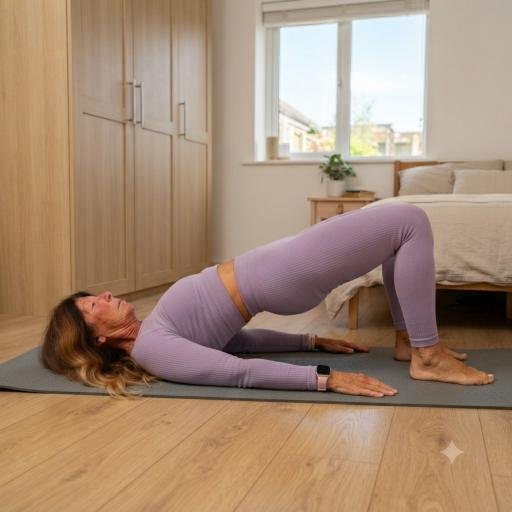
13. Glute Bridge
Lying on your back with knees bent and feet flat on the floor, lift your hips toward the ceiling, squeezing your glutes, then lower with control. This strengthens your glutes and lower back while engaging your core to stabilize the movement.
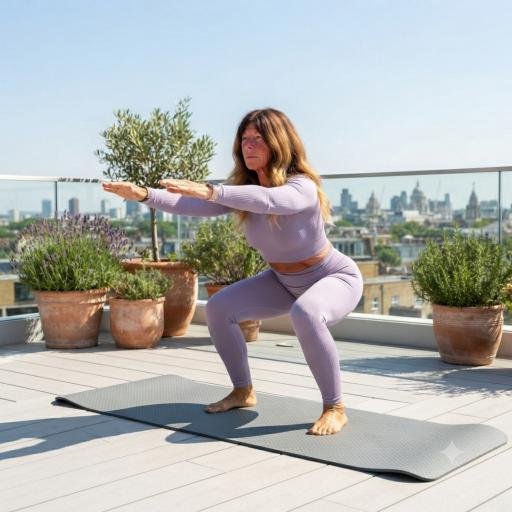
14. Bodyweight Squats
Stand with feet shoulder-width apart and lower your hips back and down as if sitting into a chair, then push through your heels to stand. Squats work multiple large muscle groups at once, which supports overall calorie expenditure and muscle maintenance.
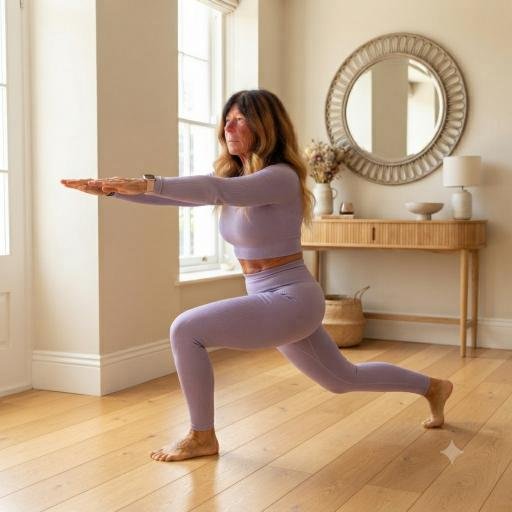
15. Reverse Lunges
Step one leg back into a lunge, lowering until both knees are close to a 90-degree bend, then push back to standing. Alternate legs. This builds lower-body strength and challenges balance and coordination.
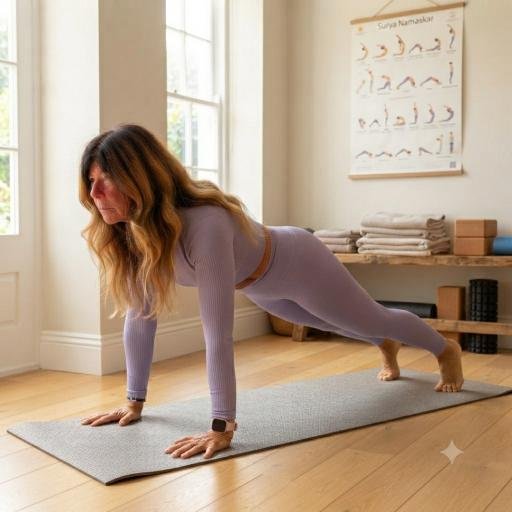
16. Modified Burpees
A lower-impact version of the classic burpee: step (rather than jump) your feet back into a plank, then step back in and stand up without the jump at the top. This keeps the cardio and full-body benefit while reducing joint impact.
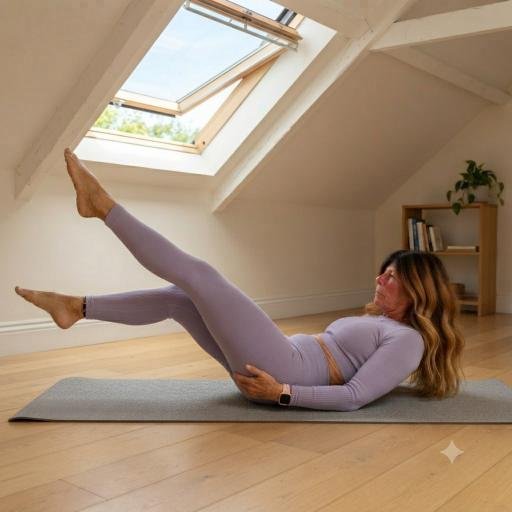
17. Flutter Kicks
Lying on your back with hands under your hips for support, lift your legs slightly off the floor and kick them in a small, alternating up-and-down motion. This targets the lower abdominal region.
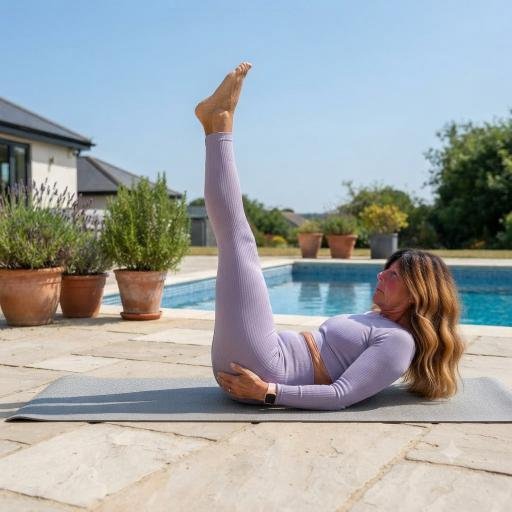
18. Leg Raises
Lying on your back with legs straight, lift them together toward the ceiling, then lower slowly without letting your lower back arch off the floor. This is effective for the lower abs when done with control.
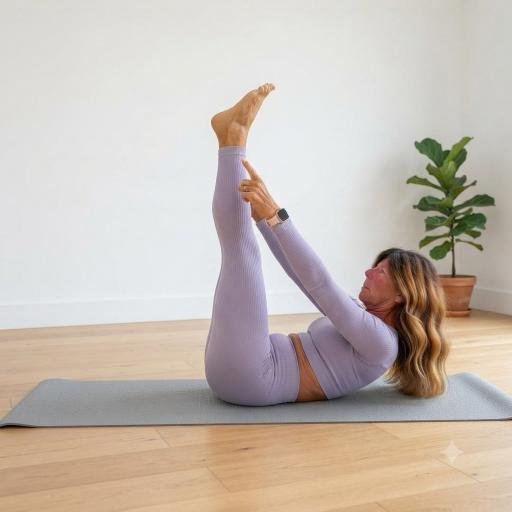
19. Toe Touches
Lying on your back with legs extended straight up, reach your hands toward your toes, lifting your shoulders off the floor. This works the upper abdominal muscles through a controlled range of motion.
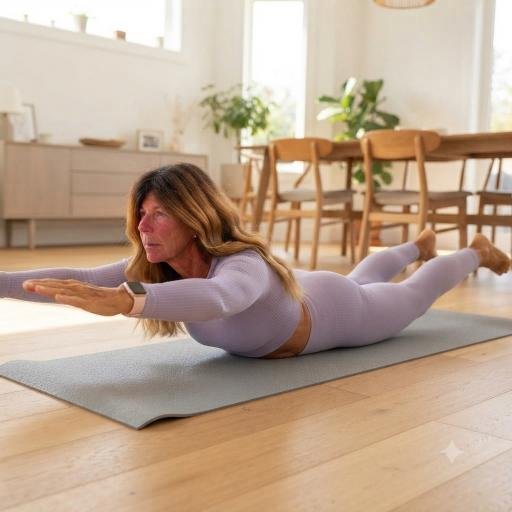
20. Superman
Lying face down, simultaneously lift your arms, chest, and legs slightly off the floor, hold briefly, then lower. This strengthens the lower back and glutes, which helps balance out all the forward-focused core work on this list.
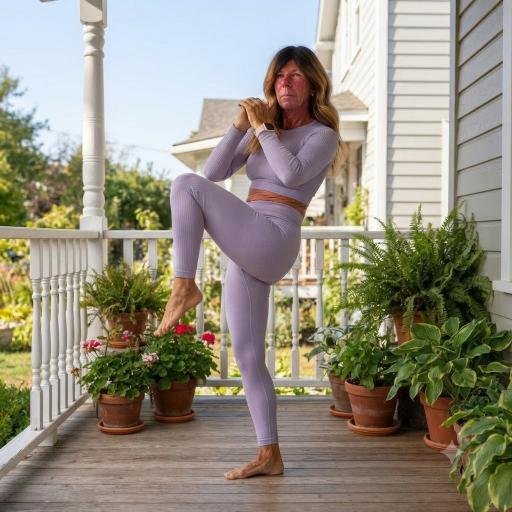
21. Standing Oblique Crunch
Standing with hands behind your head, lift one knee up while bringing the opposite elbow down to meet it, then switch sides. This combines a light cardio element with oblique engagement.
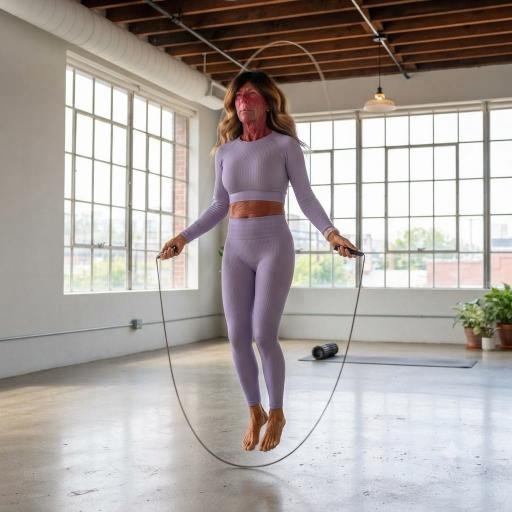
22. Jump Rope (or Imaginary Jump Rope)
Whether you have an actual rope or just mimic the motion, this is an efficient way to raise your heart rate in a small space. Keep jumps small and land softly to protect your knees.
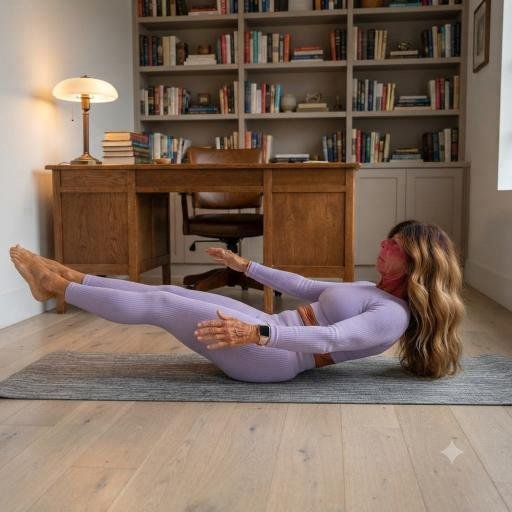
23. Dead Bug
Lying on your back with arms extended toward the ceiling and knees bent at 90 degrees, slowly lower one arm and the opposite leg toward the floor while keeping your lower back pressed down, then return and switch sides. This is a controlled, back-friendly way to train deep core strength.
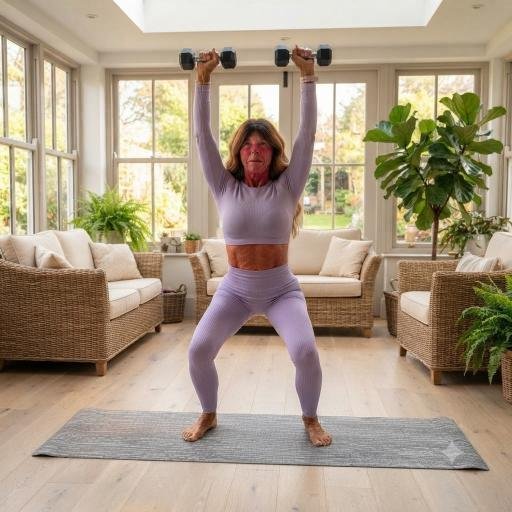
24. Dumbbell Squat With Overhead Reach
Holding a light dumbbell in each hand, perform a bodyweight squat, then press the dumbbells overhead as you stand. This combines lower-body strength with shoulder and core engagement, making it an efficient full-body move.
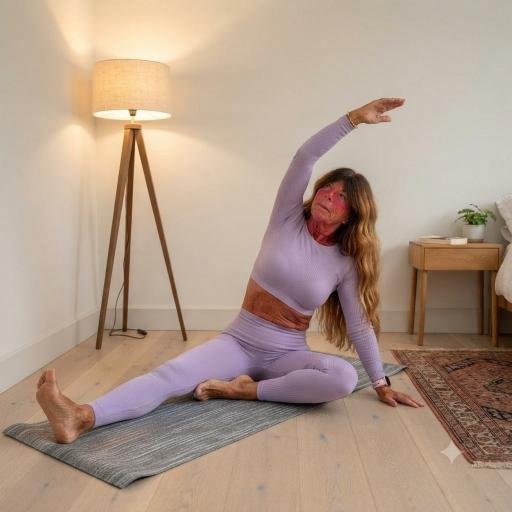
25. Seated Side Stretch
Sitting with one leg extended and the other bent, reach one arm overhead and lean toward the extended leg, feeling a stretch along your side body. This isn’t a strength move, but stretching after a workout supports recovery and keeps your core and back muscles functioning well over time.
Benefits of This Kind of At-Home Routine
- No equipment required for most moves. The majority of these exercises use only body weight, so you can start today with just floor space.
- Combines cardio, strength, and core work. This mix is more effective for overall fat loss than isolated ab exercises alone.
- Low cost and time-efficient. A focused 20–30 minute session at home covers a full-body workout without a commute to the gym.
- Builds functional strength. Moves like squats, lunges, and glute bridges support everyday movement, not just appearance.
- Adaptable to your fitness level. Nearly every exercise here has an easier or harder variation, so you can progress at your own pace.
Common Mistakes to Avoid
- Doing only ab exercises. Crunches and twists alone won’t reduce belly fat without cardio and strength training in the mix.
- Skipping rest days. Core and ab muscles, like any other muscle group, need recovery time to rebuild and strengthen.
- Using momentum instead of control. Swinging through crunches, twists, or leg raises reduces effectiveness and increases strain on your neck and lower back.
- Ignoring nutrition. Exercise supports fat loss, but consistent eating habits play an equally important role.
- Comparing your pace to others. Fat loss patterns vary by individual due to genetics and hormones — comparing your midsection to someone else’s timeline isn’t useful.
- Expecting overnight results. Visible changes in body composition take weeks to months of consistency, not days.
Precautions
If you’re pregnant, postpartum, managing a chronic health condition, or dealing with back or joint pain, check with a doctor before starting a new exercise routine, particularly moves involving twisting, jumping, or spinal flexion like crunches and toe touches. Warm up before higher-intensity moves like jumping jacks or mountain climbers, and stop immediately if you feel sharp pain, dizziness, or unusual shortness of breath. Keep your lower back pressed toward the floor during leg raises and flutter kicks to avoid unnecessary strain, and use a mat on a non-slip surface for floor exercises.
Beginner Advice
If you’re new to exercising at home, don’t try to do all 25 moves in one session. Pick 6–8 exercises that cover cardio, core, and strength — for example, marching in place, bodyweight squats, plank, glute bridge, bird dog, and standing side bends — and build a short routine you can repeat a few times a week. Focus on form before adding speed or repetitions, and give yourself a few weeks to build consistency before expecting noticeable changes. It’s also fine to modify: plank on your knees, do a smaller range of motion on leg raises, or skip the jump in burpees until you feel ready.
FAQs
Can I really reduce belly fat with exercises done only at home? Yes, home workouts can be just as effective as gym workouts for overall fat loss, since what matters most is consistency, effort, and combining cardio with strength training — not the location.
How often should I do these exercises? Most people benefit from a mix of cardio and strength-focused sessions 3–5 times a week, with rest or lighter activity on other days to allow recovery.
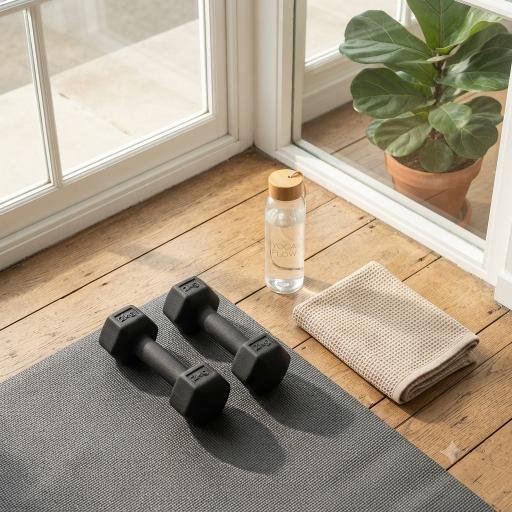
Do I need dumbbells for this routine? No. Only a couple of exercises on this list use light dumbbells, and both have bodyweight-only alternatives if you don’t have any at home.
Will these exercises give me visible abs? Visible ab definition depends heavily on overall body fat percentage, which is influenced by genetics, diet, and total activity — not just core exercises. These moves build strength and support fat loss, but results vary by individual.
How long before I see results? This depends on your starting point, consistency, and nutrition. Most people notice improved strength and stamina within a few weeks, while visible changes in body composition typically take longer.
Is it safe to do ab exercises every day? Like any muscle group, your core benefits from rest between focused sessions. Alternating core-focused days with cardio or full-body strength days is generally a more balanced approach.