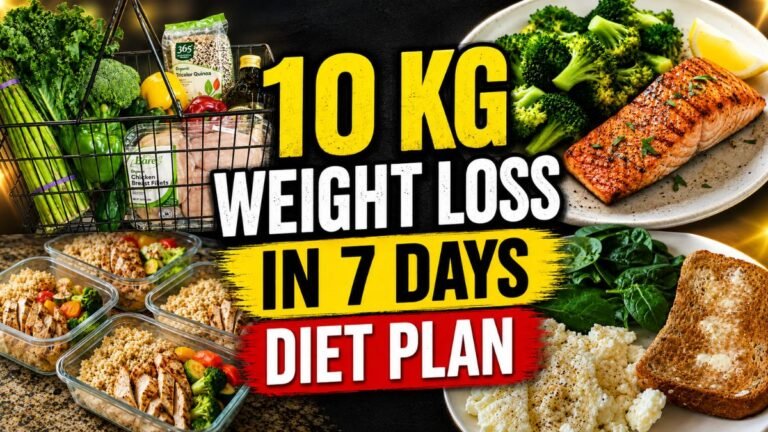

How to Lose Weight Without Going to the Gym
If a gym membership isn’t in your budget, your schedule, or your comfort zone right now, learning how to lose weight without going to the gym is entirely realistic — weight loss ultimately comes down to a consistent calorie deficit, and there are plenty of effective, evidence-backed ways to create one without ever stepping on a treadmill or picking up a barbell. This guide walks through the habits that actually move the needle, from daily movement to nutrition basics to the lifestyle factors people tend to overlook.
How to Lose Weight Without Going to the Gym: The Basics
Weight loss happens when you consistently burn more calories than you take in. Your body burns calories through four main channels: your basal metabolic rate (the energy needed just to keep your organs and systems running), the thermic effect of food (the energy used to digest what you eat), non-exercise activity thermogenesis or NEAT (movement like walking, cleaning, and fidgeting that isn’t structured exercise), and any deliberate exercise you do. Structured workouts — the kind you’d typically do at a gym — are only one piece of that picture, and often a smaller piece than people assume. That means you have real, practical ways to create a calorie deficit that don’t depend on gym equipment at all.
Walk More Throughout the Day
Walking is one of the most underrated tools for weight loss, largely because it doesn’t feel intense enough to seem like it matters. In reality, regular walking adds up significantly over a week, and it carries a much lower injury risk than high-intensity workouts, which makes it easier to sustain long-term. It also doesn’t tend to spike your appetite the way harder training sometimes can, which helps you stick to a calorie deficit more comfortably.
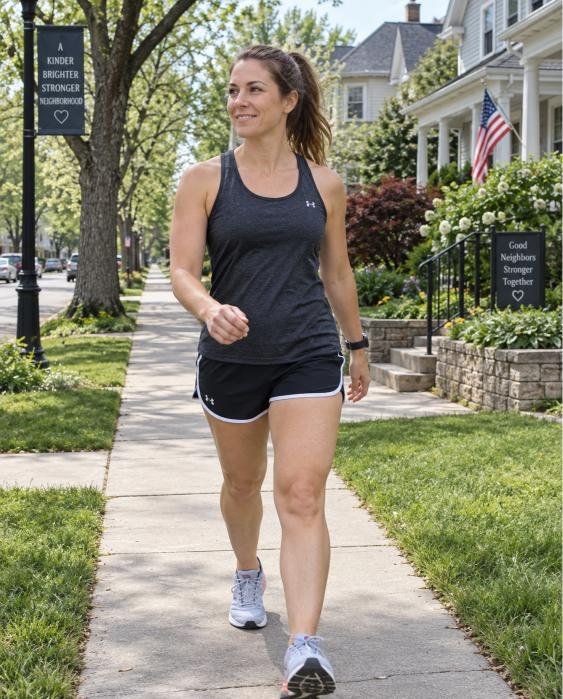
You don’t need a dedicated “workout” to do this. Taking the stairs, parking further away, walking during phone calls, or adding a short walk after meals all count, and they add up over the course of a day and week without requiring any special equipment or planning.
read also: Top 12 Resistance Band Exercises for Seniors
Build a Bodyweight Strength Routine at Home
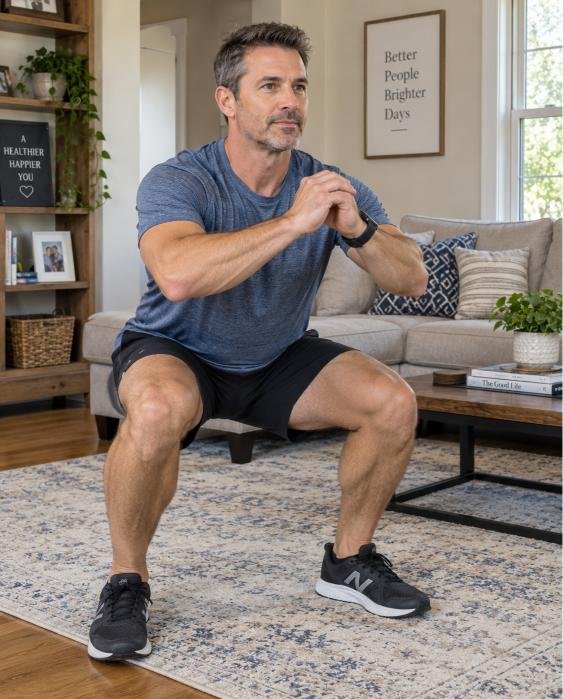
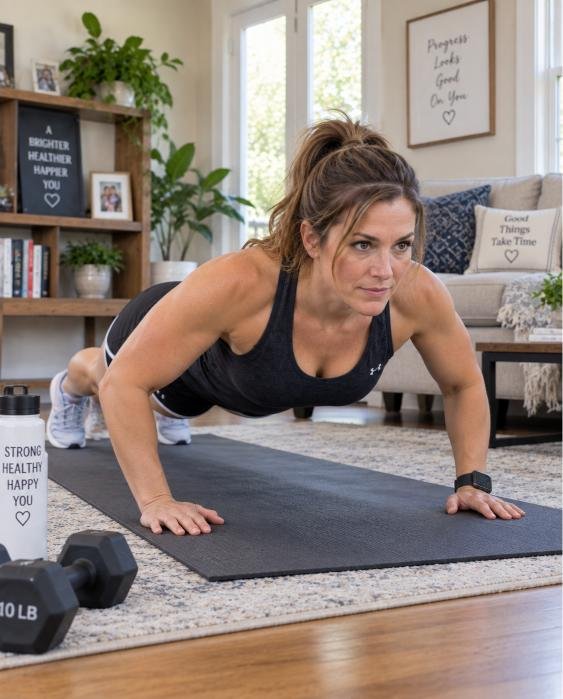
Cardio isn’t the only piece of the puzzle — preserving and building muscle matters too, since muscle tissue affects your metabolism and helps ensure that the weight you lose is primarily fat rather than muscle. Bodyweight exercises like squats, lunges, push-ups, and glute bridges can be done in a small space with no equipment and are genuinely effective for building strength. A short, consistent routine done a few times a week at home can produce real results over time, especially when combined with daily movement and attention to what you’re eating.
Rethink What’s on Your Plate
Nutrition plays the larger role in most people’s calorie deficit, simply because it’s much easier to cut a few hundred calories from your food than to burn the same amount through exercise. A few practical, low-effort adjustments: prioritize protein and vegetables at meals, since both tend to be filling for relatively few calories; pay attention to portion sizes rather than eliminating entire food groups; and cook more meals at home, where you have more control over ingredients and portions than you do with restaurant or packaged food.

None of this requires a strict diet plan. Small, sustainable shifts in your usual eating pattern tend to work better over the long run than dramatic, hard-to-maintain overhauls.
Watch Liquid Calories
Sugary drinks, specialty coffee drinks, alcohol, and juice can add a meaningful number of calories to your day without making you feel any more full, which makes them one of the easier places to cut back without much sacrifice. Swapping a sugary soda for water, sparkling water, or unsweetened tea is a simple change that can support a calorie deficit without touching your actual meals.

Prioritize Sleep
Sleep isn’t usually the first thing people think of for weight loss, but it plays a real role. Poor sleep is associated with increased hunger and cravings, largely through its effect on the hormones that regulate appetite, which can make it harder to stick to a calorie deficit even if your diet and activity level haven’t changed. Aiming for consistent, adequate sleep supports the rest of your efforts rather than working against them.

Manage Stress
Chronic stress can affect eating patterns and appetite regulation for many people, and it can also make it harder to stay consistent with healthy habits in general. You don’t need to eliminate stress entirely — that’s not realistic for most people — but building in small stress-management habits, like a short walk, some deep breathing, or simply protecting a bit of downtime, can indirectly support your weight loss efforts.
read also: 21-Day Weight Loss Challenge at Home: A Complete, Research-Backed Guide
Track Progress Without Obsessing
Keeping some form of awareness — whether that’s a simple food journal, a notes app, or just paying closer attention to portions — helps most people stay more consistent with a calorie deficit than trying to “wing it” entirely. That said, obsessive tracking or weighing yourself multiple times a day can backfire for some people’s mental wellbeing, so find a level of tracking that keeps you accountable without becoming a source of stress.

Benefits of This Approach
- No cost barrier. Walking, bodyweight exercises, and dietary adjustments don’t require a membership, equipment, or special gear.
- Fits into an existing routine. Small changes — an extra walk, a swapped drink, a home workout — are easier to sustain than rearranging your schedule around gym hours.
- Builds sustainable habits. Gradual, realistic changes tend to stick better long-term than extreme, short-term approaches.
- Lower injury risk. Walking and controlled bodyweight movements carry less risk than jumping into unfamiliar gym equipment or heavy lifting without guidance.
- Supports overall health, not just weight. Better sleep, more daily movement, and improved nutrition benefit blood sugar regulation, cardiovascular health, and mood, independent of the number on the scale.
Common Mistakes to Avoid
- Cutting calories too aggressively. A very large calorie deficit is hard to sustain and can lead to excessive hunger, fatigue, and muscle loss rather than fat loss.
- Ignoring strength work entirely. Relying only on cardio or calorie cutting, without any resistance training, can result in losing muscle along with fat.
- Underestimating liquid calories. Drinks are an easy place to lose track of how many calories you’re actually consuming in a day.
- Expecting fast results. Sustainable weight loss tends to happen gradually; expecting dramatic changes within days sets you up for discouragement.
- All-or-nothing thinking. Missing a day of walking or having a less healthy meal doesn’t undo your progress — consistency over weeks and months matters more than any single day.
- Neglecting sleep and stress. Focusing only on food and movement while ignoring these factors can undermine an otherwise solid plan.
Precautions
If you have an existing health condition — diabetes, heart disease, thyroid issues, or a history of disordered eating — talk to a doctor before making significant changes to your diet or activity level. A very low-calorie approach isn’t appropriate for everyone and can carry risks, so it’s worth getting personalized guidance rather than following a generic calorie target. If you’re new to strength exercises, start with basic movements and focus on form to avoid injury, and stop any exercise that causes joint pain or sharp discomfort. Rapid or extreme weight loss can also be a sign of an underlying issue, so if you’re losing weight much faster than expected without trying, that’s worth mentioning to a healthcare provider as well.
Beginner Advice
If this feels like a lot to take in, don’t try to change everything at once. Pick one or two habits to start with — for example, a daily 20-minute walk and swapping sugary drinks for water — and build from there once those feel automatic. Add a simple bodyweight routine a few weeks in, and keep adjusting your nutrition gradually rather than overhauling your entire diet overnight. Small, consistent changes that you can actually maintain will get you further than an ambitious plan you abandon after two weeks.
FAQs
Can I really lose weight without any structured exercise at all? Yes, weight loss is primarily driven by calorie balance, so it’s possible to lose weight through diet and daily movement alone. That said, adding some form of strength training generally helps preserve muscle mass, which supports better long-term results and overall health.
How many calories should I cut to lose weight? A commonly referenced guideline is a moderate daily deficit of a few hundred calories, which tends to be more sustainable than extreme cuts. The right number varies by individual, so general calorie calculators or guidance from a healthcare provider or dietitian can help personalize this.
Is walking enough to lose weight on its own? Walking can meaningfully contribute to a calorie deficit and supports several other aspects of health, but pairing it with attention to diet generally produces better and more consistent results than walking alone.
Do I need any equipment for home workouts? No. Bodyweight exercises like squats, push-ups, lunges, and planks are effective without any equipment, though simple items like resistance bands or light dumbbells can add variety later on.
How long does it take to see results? This varies by individual based on starting point, consistency, and other lifestyle factors. Many people notice improved energy and how their clothes fit within a few weeks, while visible changes on the scale often take longer and happen gradually.
Is it normal for weight loss to slow down over time? Yes. As you lose weight, your body generally requires fewer calories to maintain its new size, which naturally slows the rate of loss unless you adjust your calorie intake or activity level accordingly