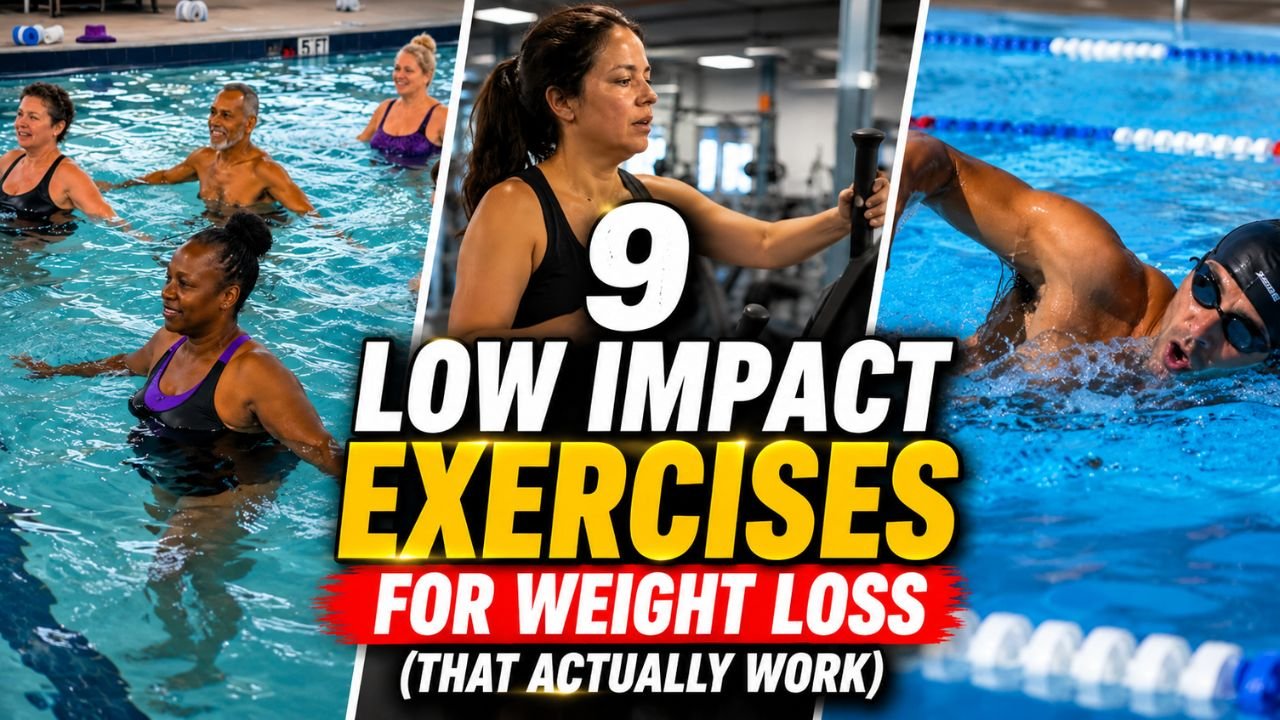
9 Low Impact Exercises for Weight Loss (That Actually Work)
There’s a common misconception that weight loss only happens through intense, joint-pounding workouts — burpees, sprints, box jumps, and the kind of high-intensity classes that leave you sore for days. But research and real-world results tell a different story: low-impact exercise, when combined with consistency and a reasonable calorie deficit, is just as capable of driving meaningful fat loss, and it’s often far more sustainable for people who want to stick with a routine for the long haul.
Low-impact simply means at least one foot stays on the ground at all times, which dramatically reduces the jarring stress placed on your knees, hips, and lower back. This makes these workouts ideal for beginners, people returning from injury, older adults, or anyone who’s tried high-intensity training in the past and burned out or got hurt. The trade-off isn’t effectiveness — it’s really just a shift in how you burn calories and build strength, rather than whether you can.
Below are 9 genuinely effective low-impact exercises for weight loss, backed by research on calorie burn and muscle engagement, along with practical tips on how to get the most out of each one.
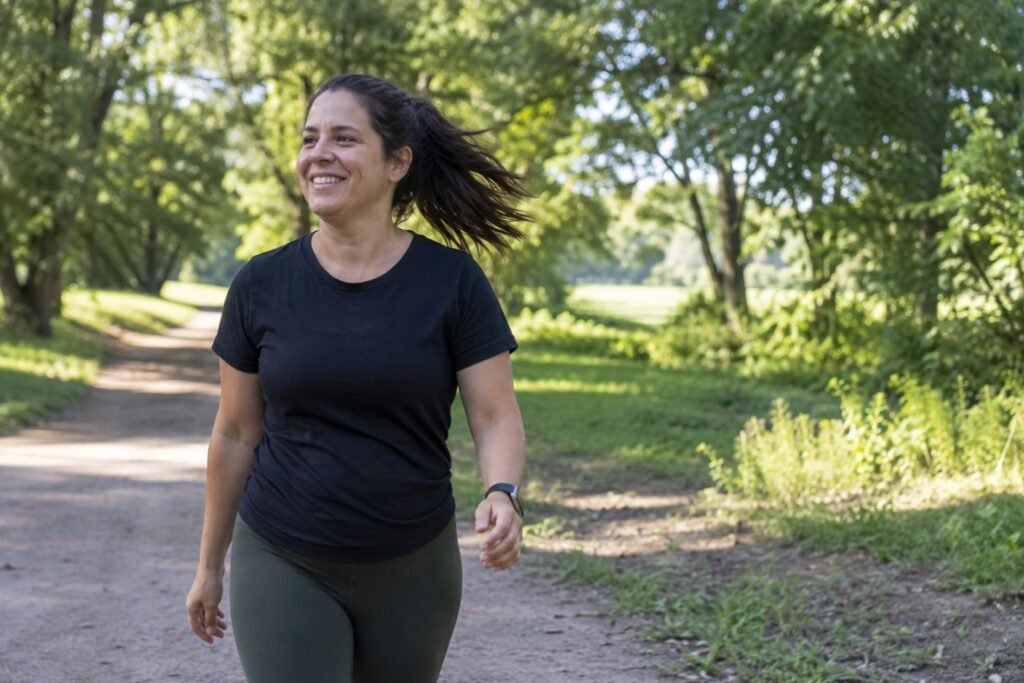
1. Brisk Walking
Walking is the most underrated weight loss tool available, mainly because it’s so simple that people dismiss it. A brisk, sustained walk can burn anywhere from 200 to 500 calories an hour depending on your pace, incline, and body weight — and unlike running, it’s something almost anyone can do daily without significant recovery time.
- Add inclines or hills to engage your glutes and hamstrings more intensely
- Use a weighted vest or hand weights occasionally to increase calorie burn without adding impact
- Aim for at least 30 minutes most days of the week; consistency matters more than speed
- Walking also lowers cortisol levels, which indirectly supports fat loss by reducing stress-related overeating
2. Swimming
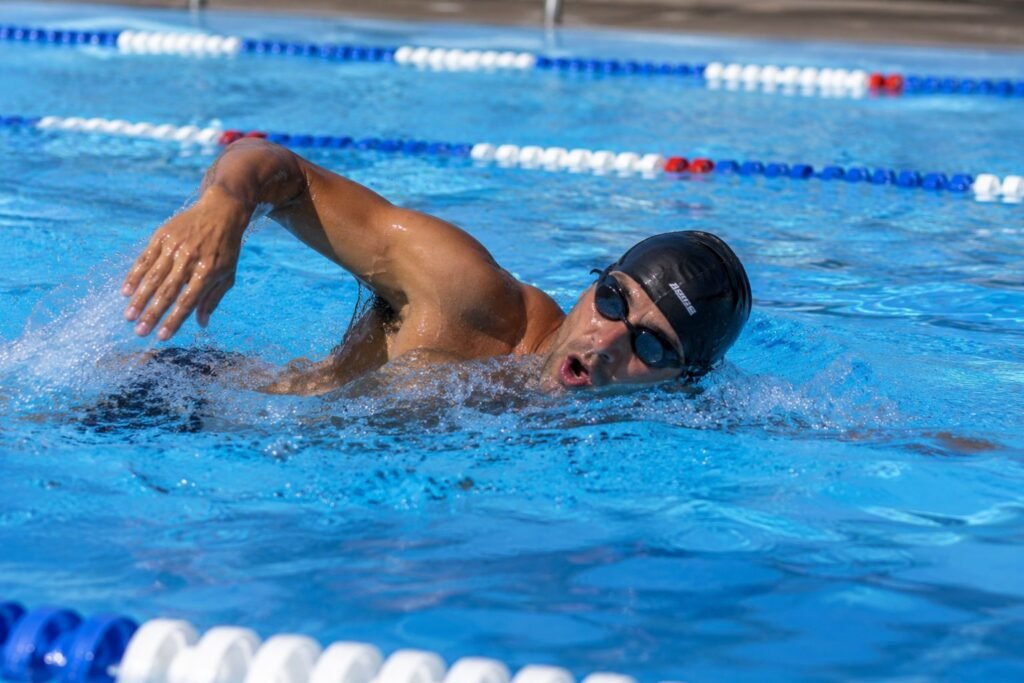
Swimming is one of the few exercises that works your entire body — arms, legs, back, and core — while being almost completely joint-friendly, since water supports your body weight and removes most of the impact you’d feel on land. It’s particularly well-suited for people with arthritis, old injuries, or excess body weight that makes land-based cardio uncomfortable.
- A moderate-intensity swim session can burn 400–600 calories per hour
- Alternating strokes (freestyle, breaststroke, backstroke) works different muscle groups and keeps sessions engaging
- The water’s resistance also builds strength, not just cardiovascular endurance
- Great option for hot summer months when other outdoor exercise feels exhausting
3. Stationary Cycling
Cycling — whether on a stationary bike at home or in a studio class — keeps your feet locked onto the pedals and your hips seated, meaning there’s no impact at all, yet it can still be an intense calorie-burning workout if you push the resistance and pace.
- A 45-minute moderate-to-vigorous cycling session can burn 400–600+ calories
- Interval-style cycling (alternating hard pushes with recovery periods) boosts calorie burn further without adding joint stress
- A recumbent bike is a good option for those with lower back or knee sensitivity
- Cycling also strengthens the quads, hamstrings, and glutes over time
4. Elliptical Training
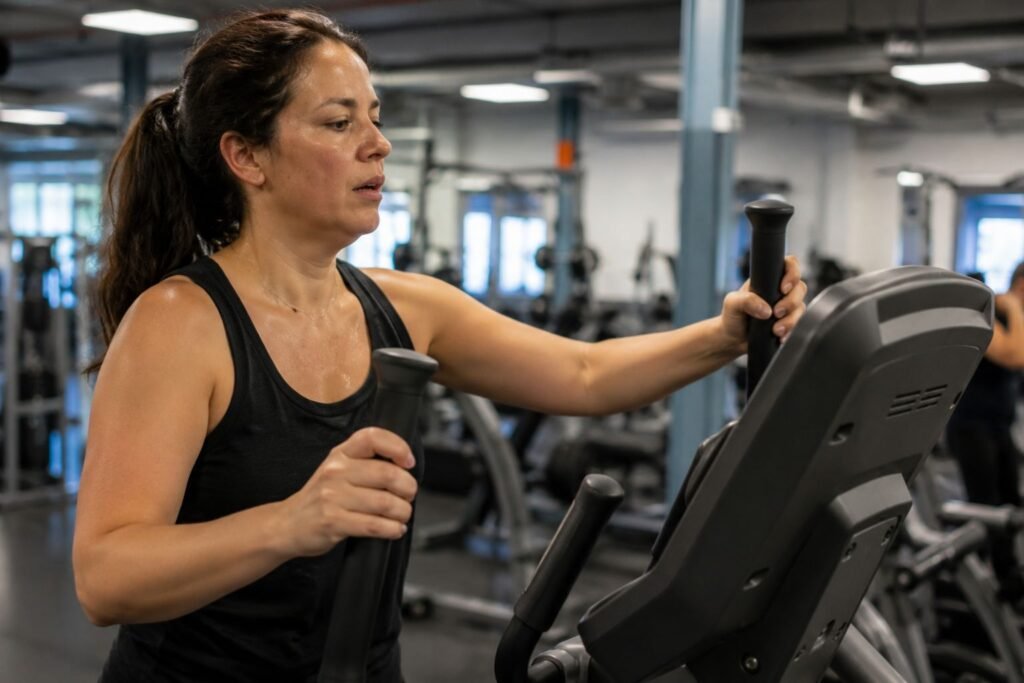
The elliptical machine mimics the motion of running or walking but keeps your feet on the pedals throughout the movement, eliminating the repetitive pounding that running puts on your joints. It’s a solid middle-ground option for people who want a more intense cardio session than walking but without the impact of jogging.
- Using both the arm handles and leg pedals turns it into a full-body workout
- Adjusting resistance and incline levels can significantly increase the calorie burn
- A 30–45 minute session at a challenging pace can burn 300–500 calories
- It’s a good rainy-day or winter alternative to outdoor walking or cycling
5. Rowing Machine
Rowing is often overlooked, but it’s one of the most efficient low-impact, full-body workouts available. It engages the legs, back, shoulders, arms, and core simultaneously, all while keeping your body seated and your feet strapped in, which minimizes joint strain.
- A vigorous 30-minute rowing session can burn 250–400 calories while also building noticeable upper and lower body strength
- Focus on driving power through your legs first, then your back, then your arms, to avoid straining your lower back
- Interval rowing (short bursts of intense rowing followed by slower recovery strokes) increases the afterburn effect
- Because it builds muscle in addition to burning calories, rowing supports long-term metabolic health
6. Pilates
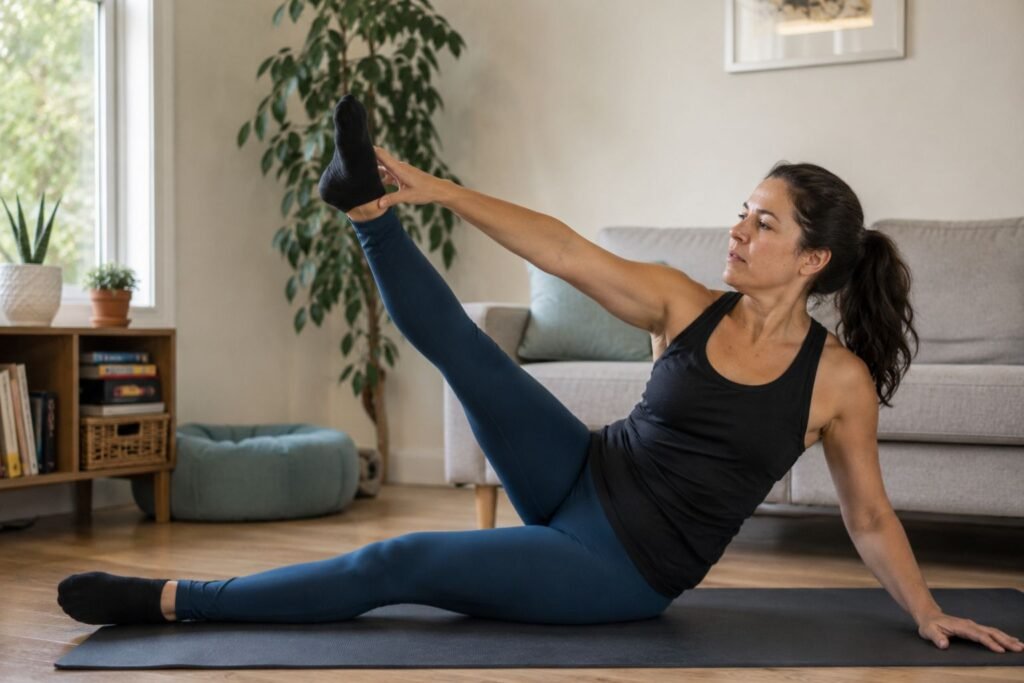
Pilates focuses on controlled, deliberate movements that build core strength, improve posture, and increase overall muscle tone — all without any high-impact jumping or pounding. While it may not burn as many calories per session as cardio-focused workouts, its strength-building effect helps increase resting metabolic rate over time, which supports long-term weight management.
- A 50-minute mat Pilates class typically burns 150–250 calories, but the muscle-building effect adds up over weeks
- Reformer Pilates (using a specialized machine) tends to burn more calories due to added resistance
- Particularly effective for improving core stability, which supports better form in other exercises
- A great complement to cardio-based low-impact workouts rather than a total replacement
7. Power Yoga
Traditional yoga is often seen as purely a relaxation practice, but power yoga — a faster-paced, more physically demanding style — genuinely raises the heart rate while still keeping impact low. It combines strength-building poses with continuous movement, offering both a calorie burn and significant flexibility and stress-reduction benefits.
- A vigorous power yoga session can burn 300–450 calories per hour
- Poses like Chair Pose, Warrior sequences, and Plank variations build real muscular strength
- The mental health benefits — reduced cortisol, better sleep — indirectly support weight management by curbing stress-related eating
- Suitable for nearly all fitness levels, with modifications available for almost every pose
8. Water Aerobics
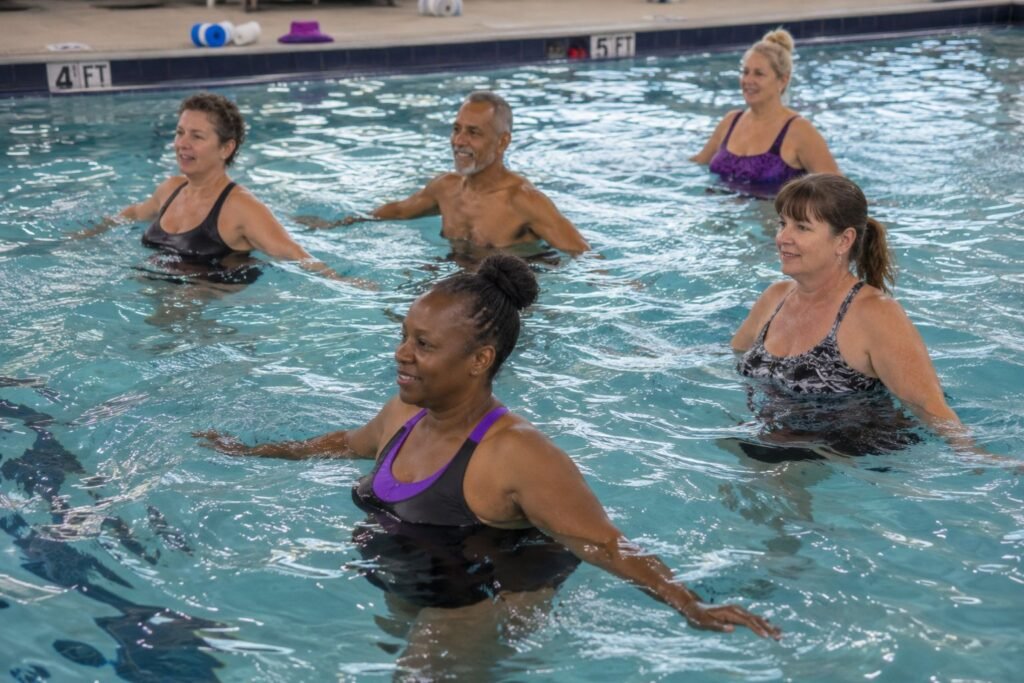
Water aerobics takes the joint-friendly benefits of swimming and combines them with structured, class-style movement patterns, making it an excellent option for people with joint pain, arthritis, or those who are newer to exercise altogether.
- A 60-minute water aerobics class can burn 400–500 calories, thanks to the natural resistance of water
- Water’s buoyancy supports body weight, reducing strain on knees, hips, and the lower back
- The social, class-based format also improves consistency, since group accountability tends to boost adherence
- A great option for pregnant individuals or those recovering from certain injuries, with a doctor’s clearance
9. Bodyweight Strength Circuits (Squats, Lunges, Glute Bridges)
Strength training doesn’t have to mean heavy weights or high-impact plyometrics. A circuit built around squats, lunges, and glute bridges builds real muscle — which burns more calories at rest — while keeping at least one foot grounded throughout each movement.
- Muscle tissue is metabolically active, meaning more muscle mass increases your resting calorie burn over time
- A 30-minute bodyweight circuit can burn 150–300 calories directly, plus additional calories through excess post-exercise oxygen consumption (EPOC) in the hours afterward
- Focus on slow, controlled reps rather than speed to maximize muscle engagement and minimize joint stress
- Add resistance bands or light dumbbells as you progress, without needing to add impact
How to Combine These for Best Results
Mixing 2–3 of these low-impact exercises throughout the week — say, walking on most days, swimming or cycling twice a week, and a bodyweight strength circuit two to three times a week — tends to produce better and more sustainable results than repeating just one activity. Pairing any of these with a modest calorie deficit and adequate protein intake is what ultimately drives the fat loss; the exercise itself builds the muscle and calorie burn that makes that deficit easier to maintain without extreme hunger or burnout.
It’s also worth remembering that low-impact doesn’t mean low-effort. Many of these workouts can be made just as challenging as high-impact training by increasing resistance, duration, or intensity — the key difference is simply that your joints aren’t absorbing repeated shock while you do it.
Frequently Asked Questions
Can I really lose weight with only low-impact exercise? Yes, especially when combined with a calorie deficit and consistent effort. Many low-impact exercises burn just as many calories per hour as their high-impact counterparts.
Is walking really enough for weight loss? Walking alone can support meaningful weight loss, particularly when combined with a healthy diet, but pairing it with strength training tends to produce better long-term results.
How often should I do low-impact workouts for weight loss? Most people see good results with 4–6 sessions per week, mixing cardio-focused options like walking or cycling with strength-focused ones like Pilates or bodyweight circuits.
Are low-impact workouts good for beginners? Yes, they’re often the best starting point for beginners, since they build a fitness foundation without the injury risk that comes with jumping straight into high-intensity training.
Do I need any equipment for these exercises? Not necessarily. Walking, bodyweight circuits, and yoga require little to no equipment, while swimming, cycling, and rowing may require access to a pool, bike, or machine.
Disclaimer
This article is for general informational purposes only and isn’t medical or fitness advice. Calorie burn estimates vary based on body weight, intensity, and individual metabolism. Consult a doctor or certified fitness professional before starting a new exercise routine, especially if you have existing joint issues or health conditions.