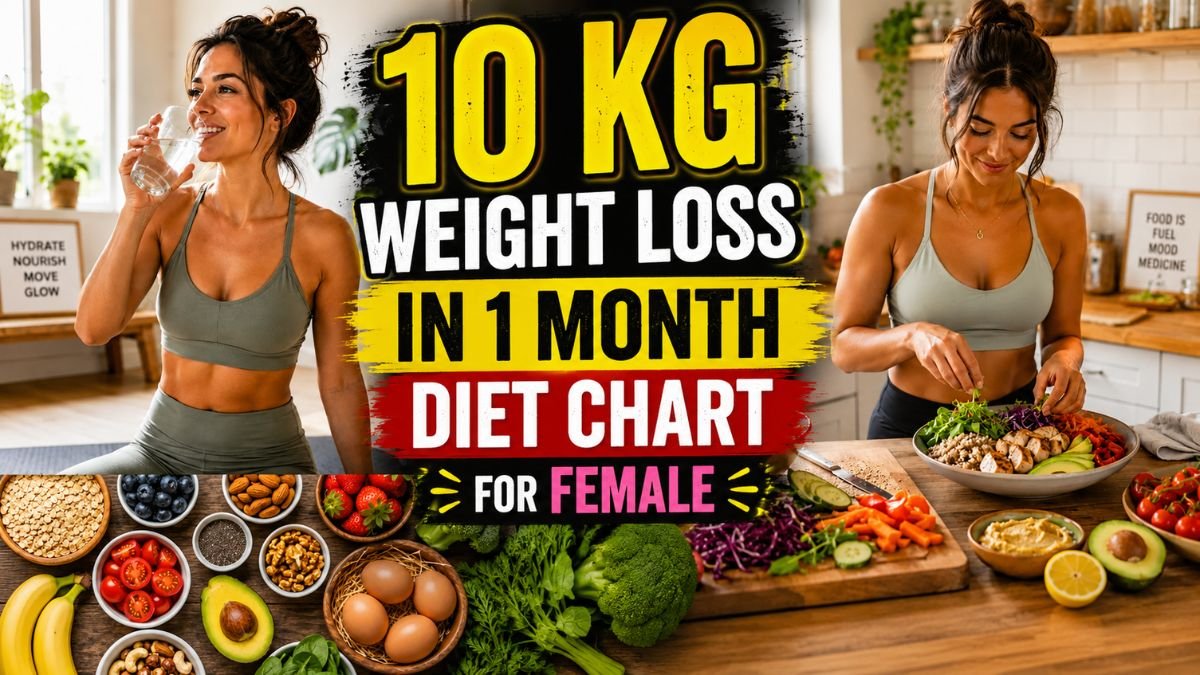
10 kg weight loss in 1 month diet chart for Female
If you’ve searched for a “10 kg weight loss in 1 month diet chart,” you’re not alone it’s one of the most searched weight-loss phrases online. But before diving into any diet plan, it’s important to understand what’s actually achievable, and safe, for the female body. This article breaks down the science, busts the myth, and gives you a realistic, sustainable diet approach that helps you lose weight without wrecking your metabolism, hormones, or energy levels.
Why 10 kg in a Month Isn’t a Safe Goal
Medical experts and health authorities including the CDC, Mayo Clinic, and Harvard Health consistently point to the same range for healthy, sustainable weight loss:
| Guideline Source | Recommended Safe Rate |
|---|---|
| CDC (Centers for Disease Control) | About 0.5–1 kg (1–2 lbs) per week |
| Mayo Clinic | 0.5–1 kg per week, long term |
| Harvard Health | 1–2 lbs per week for fat loss, not muscle loss |
| Endocrinologists (general clinical guidance) | 1.6–3.6 kg per month is a realistic upper range |
At this pace, a genuinely achievable goal in one month is closer to 2–4 kg, not 10 kg. Losing weight faster than this usually means the body is shedding water weight and muscle mass rather than fat — and it often comes back quickly once normal eating resumes.

Why rapid weight loss backfires:
- The body responds to sudden, extreme calorie cuts by slowing metabolism to conserve energy.
- Muscle loss (not just fat loss) is common with crash diets, which further lowers metabolism.
- Extreme restriction increases the risk of nutrient deficiencies, hair thinning, fatigue, irregular periods, and mood changes.
- Most rapid weight loss is regained sometimes with extra weight once the restrictive phase ends (commonly called “yo-yo dieting”).
If you’re aiming for faster results for a specific medical reason, that’s a conversation to have with a doctor or registered dietitian, not something to pursue through an online diet chart.

What a Realistic 1-Month Weight Loss Plan Actually Looks Like
A sustainable plan focuses on consistent habits rather than extreme restriction. Here’s a general framework built around food groups, not strict calorie counting (which is best personalized with a professional).
Sample Daily Structure
| Meal | Focus | Example Choices |
|---|---|---|
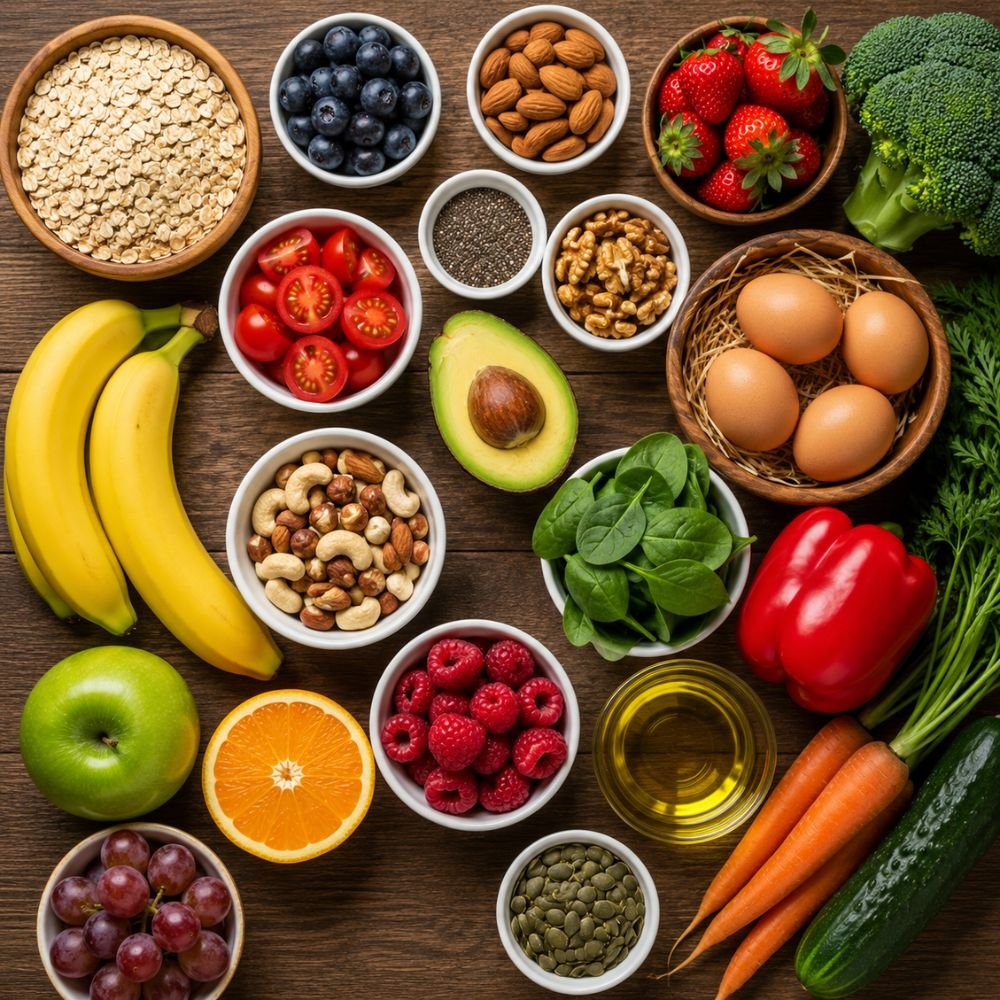
| Breakfast | Protein + fiber to stay full longer | Eggs or paneer, whole-grain toast or oats, fruit |
| Mid-Morning Snack | Light, protein or fiber-based | A handful of nuts, a boiled egg, or a fruit |
| Lunch | Balanced plate: protein, complex carbs, vegetables | Dal/legumes, brown rice or roti, a big portion of vegetables, salad |
| Evening Snack | Small, whole-food based | Roasted chana, yogurt, or a piece of fruit |
| Dinner | Lighter than lunch, protein + vegetables | Grilled chicken/paneer/tofu with sautéed vegetables, soup |
| Hydration | Throughout the day | Water, herbal tea; limit sugary drinks |
Core Principles That Drive Real Results
- Prioritize protein at every meal — it helps preserve muscle while losing fat and keeps hunger in check.
- Fill half your plate with vegetables — high in fiber and volume, low in calories.
- Choose whole grains over refined carbs — brown rice, oats, and whole wheat over white rice, maida, and sugary cereals.
- Limit ultra-processed foods and sugary drinks — these are the biggest hidden contributors to weight gain.
- Move consistently — a mix of walking, strength training, and daily activity supports fat loss and helps maintain muscle.
- Sleep and stress matter as much as diet — poor sleep and chronic stress are linked to slower weight loss and increased cravings.
Weekly Habit Tracker (Instead of a Strict Diet Chart)
| Habit | Goal for the Week |
|---|---|
| Protein at each meal | 7/7 days |
| Vegetables at lunch & dinner | 7/7 days |
| Water intake | Consistent daily hydration |
| Physical activity | At least 4–5 days |
| Processed snacks / sugary drinks | Minimize, don’t eliminate completely |
| Sleep | 7–8 hours nightly |
Tracking habits instead of chasing a number on the scale tends to be far more sustainable — and it avoids the all-or-nothing mindset that often leads to burnout or giving up.

What Realistic Progress Looks Like
| Timeframe | Realistic Expectation |
|---|---|
| Week 1 | Some quick drop (often water weight); don’t expect this pace to continue |
| Weeks 2–4 | Gradual, steady fat loss with consistent habits |
| Month 1 total | Roughly 2–4 kg for most women, depending on starting point and consistency |
| 3–6 months | Noticeable, lasting changes in body composition and energy |
When to Involve a Professional
Speak with a doctor or registered dietitian before starting any weight-loss plan if you:
- Have an existing medical condition (thyroid issues, PCOS, diabetes, etc.)
- Are pregnant or breastfeeding
- Have a history of disordered eating
- Want a personalized calorie or macro target based on your specific body and lifestyle
A professional can tailor a plan safely to your body, rather than relying on generic online charts.
Final Thoughts
Chasing “10 kg in 1 month” often leads to frustration, burnout, or health setbacks rather than lasting results. Real, lasting weight loss comes from small, repeatable habits — balanced meals, regular movement, good sleep, and patience. It’s slower, but it’s the version that actually sticks.
disclaimer: This article is for general informational purposes only and is not a substitute for professional medical or nutritional advice. Please consult a doctor or registered dietitian before starting any weight-loss program.