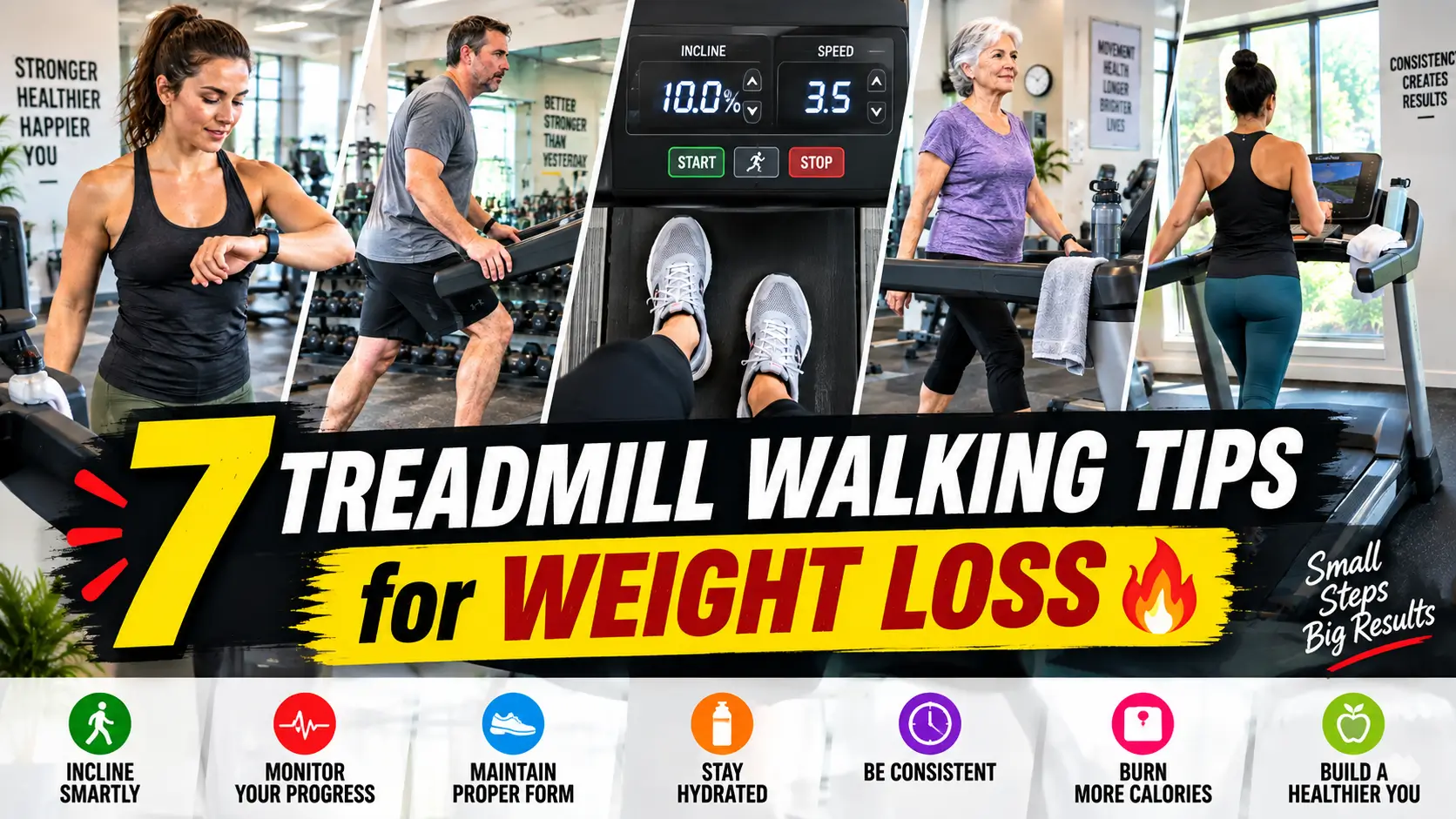
7 Treadmill Walking Tips for Weight Loss
If you’ve been searching for treadmill walking tips for weight loss, you’re already ahead of most people walking is one of the few forms of exercise almost anyone can start today, with no learning curve and very little risk of injury. The treadmill just makes it easier to control: you set the pace, you set the incline, and the weather never gets a vote. But walking on a treadmill for weight loss works best when you do it with a bit of strategy, not just by stepping on and zoning out for thirty minutes. Below are seven practical, evidence-informed ways to get more out of every walk.
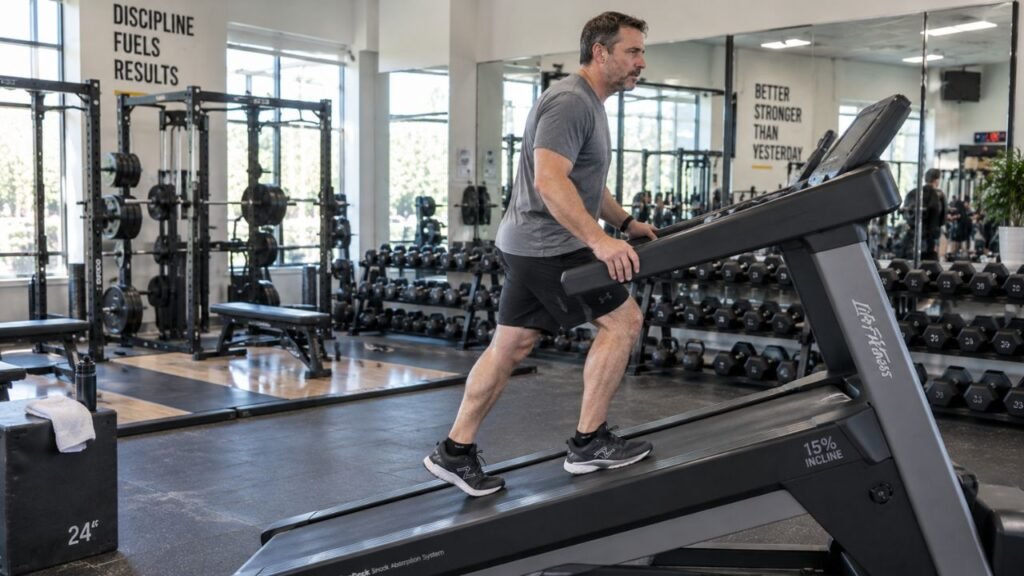
1. Use the Incline, It Changes Everything
If there’s one treadmill walking tip for weight loss that makes the biggest difference, it’s this: stop walking flat. Setting even a modest incline forces your muscles to work against gravity, which raises your heart rate and calorie burn without requiring you to walk faster or longer. Exercise science research on incline walking has found that energy expenditure can rise significantly — in some studies by roughly 17–50% or more — as incline increases from flat ground to moderate grades, because your legs and cardiovascular system have to do more work per step.
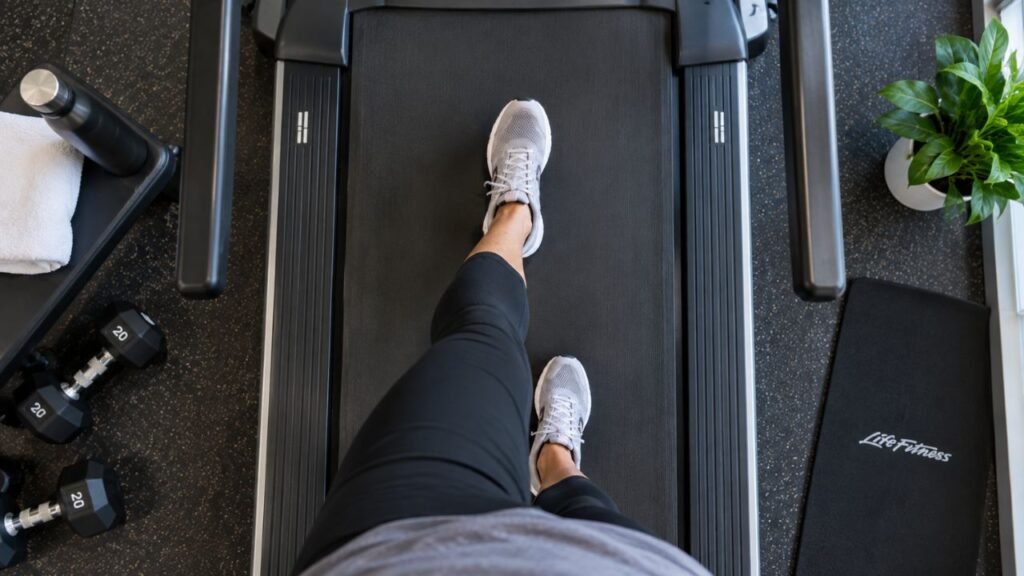
You don’t need to start steep. A 1–5% incline is a comfortable entry point for beginners, and many people work their way up to somewhere in the 5–12% range as their fitness improves. Incline walking also engages your glutes, hamstrings, and calves more than flat walking does, so you’re building some lower-body strength alongside the cardio benefit. If your treadmill allows it, alternate a few minutes flat with a few minutes on an incline throughout the session — it keeps the workout from feeling monotonous and challenges your body in different ways.
read also: Weekly Workout Plan for Hourglass Figure
2. Aim for Brisk, Not Leisurely
A slow stroll burns calories, but a brisk pace burns meaningfully more in the same amount of time. “Brisk” doesn’t mean sprinting — it means walking fast enough that you can still hold a conversation but couldn’t comfortably sing. A simple way to check this is the talk test: if you’re a little breathless but can still speak in full sentences, you’re in the right zone. This pace is generally what’s meant by “moderate-intensity” activity, which is the benchmark used in most public health exercise guidelines.
If you’re new to this, don’t force a pace that feels miserable. Increase your speed gradually over a few sessions rather than jumping straight to your treadmill’s top setting. Consistency at a pace you can sustain beats one brutal session you dread repeating.
3. Be Consistent With Your Weekly Minutes
Weight loss from walking is less about any single workout and more about the total volume you accumulate week after week. The Centers for Disease Control and Prevention recommends that adults get at least 150 minutes of moderate-intensity aerobic activity per week — brisk walking is specifically named as an example — spread across the week in whatever chunks fit your schedule, such as 30 minutes a day, five days a week. If you’re aiming for weight loss specifically rather than general health, you may find you need more than the minimum, since exercise alone is only part of the calorie equation.
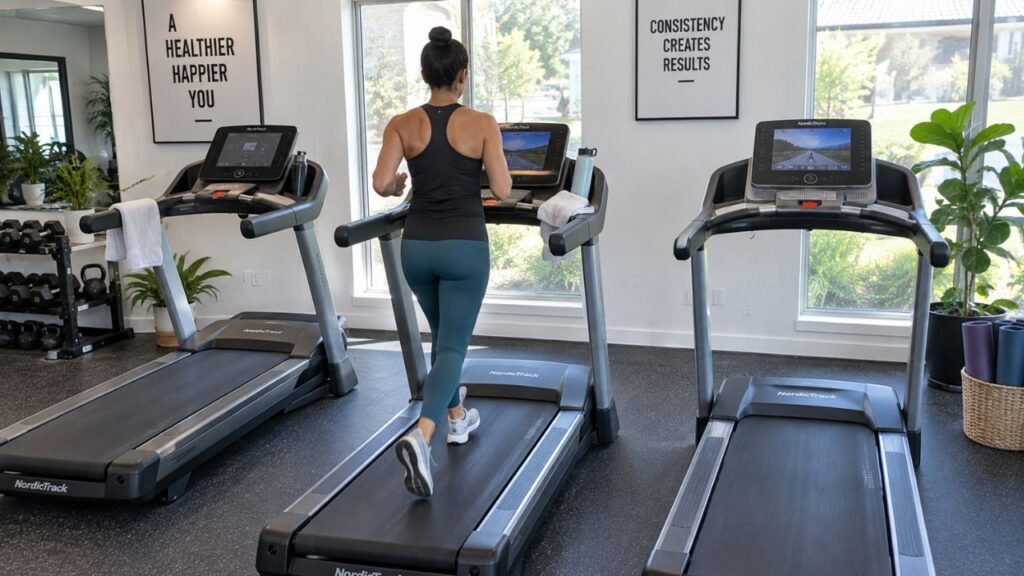
Treat those minutes like an appointment. Blocking out a consistent time — morning before work, or during a favorite show in the evening — removes the daily decision-making that derails a lot of good intentions.
4. Mix in Intervals
Once brisk walking on an incline feels manageable, intervals are a natural next step. This simply means alternating short bursts of higher effort — faster pace or steeper incline — with recovery periods at an easier pace. For example: two minutes at a challenging incline or speed, followed by two minutes at your normal comfortable pace, repeated throughout the workout. Intervals add variety, help you push past a fitness plateau, and let you accumulate more total effort without needing to sustain your hardest pace for the entire session.
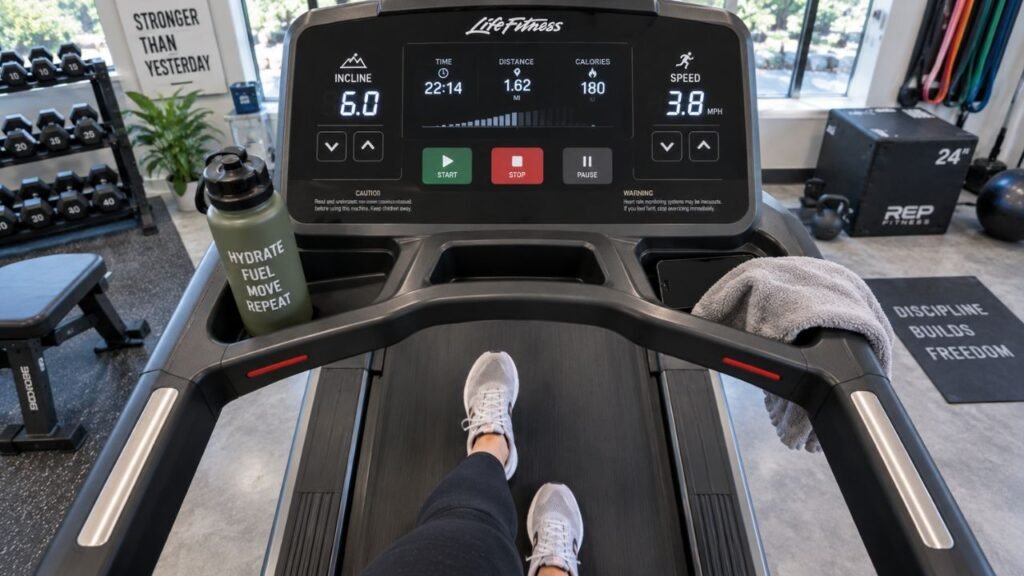
There’s no need to overcomplicate this. A simple pattern you can remember and repeat is more sustainable than an elaborate structure you have to think hard about mid-workout.
5. Pay Attention to Form
Good walking form makes your sessions more effective and helps you avoid the kind of nagging aches that quietly end a workout habit. A few basics: stand tall rather than hunching over the console, let your arms swing naturally at your sides instead of gripping the handrails, and land through your heel before rolling through to your toes. Gripping the handrails constantly reduces the work your core and legs are doing and can throw off your posture, so save it for balance checks, not as a permanent crutch.
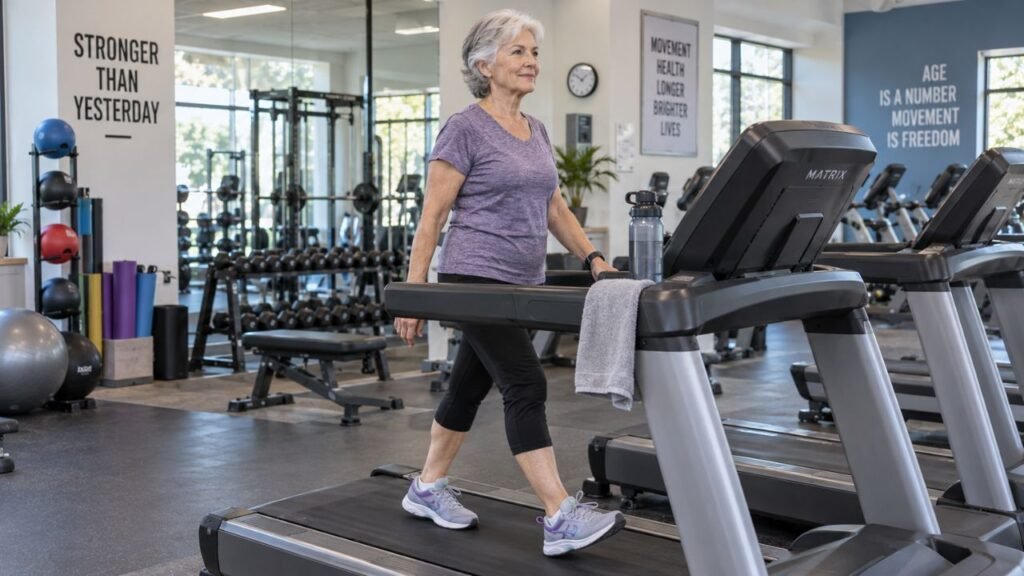
If you’re walking on an incline, resist the urge to lean far forward from the waist — keep your torso upright and let your hips and legs do the work of climbing.
6. Track Progress Beyond the Scale
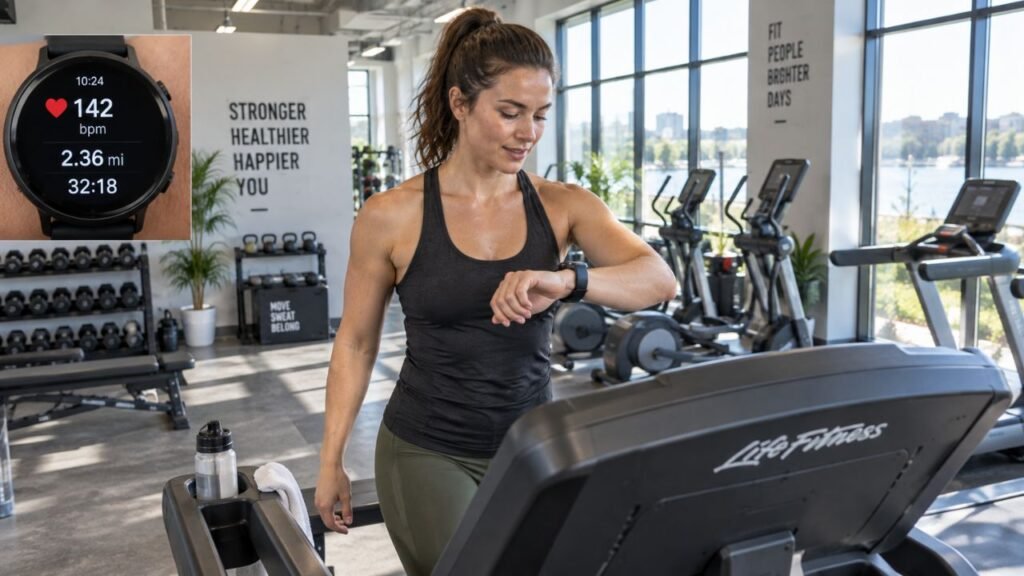
The number on the scale can be a slow and sometimes discouraging way to measure progress, especially early on. Treadmills typically display distance, pace, and time, all of which give you a clearer week-to-week picture of whether you’re actually improving: are you walking a bit faster at the same incline, or the same pace at a slightly higher incline, than you were a month ago? That’s real, measurable progress even if the scale hasn’t moved yet.
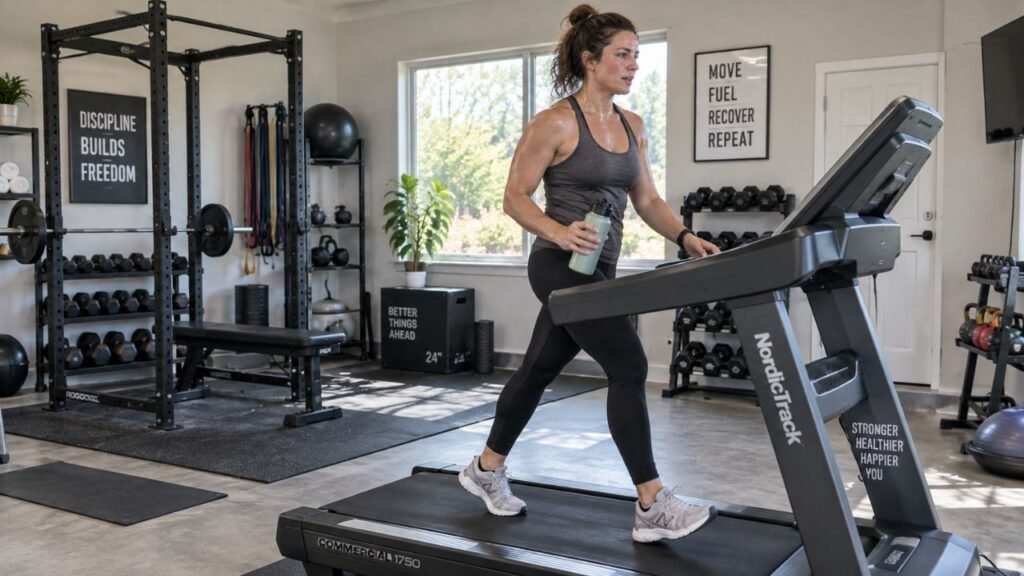
If you like data, a fitness tracker or the treadmill’s own console can help you log sessions over time so you can see patterns — including which days you tend to skip, which is often just as useful to know.
read also: Top 25 Workout Outfit Ideas With Leggings
7. Pair Walking With Recovery and Nutrition
Treadmill walking is a valuable piece of a weight loss plan, but it works alongside — not instead of — the other basics. Getting enough sleep affects appetite regulation and recovery, and most sustainable weight loss comes down to a consistent calorie deficit achieved primarily through diet, with exercise supporting it. Walking helps preserve the calorie deficit’s sustainability by burning additional energy and protecting mood and energy levels, which makes it easier to stick with healthier eating patterns in the first place.
Don’t let a hard walk become an excuse to reward yourself with something that erases the calorie benefit. A walk and a sensible plate of food do more for you long-term than a walk followed by overcompensating at the table.
Benefits of Treadmill Walking
- Low impact on joints. Walking keeps one foot on the ground at all times, which produces much lower impact forces than running — a meaningful advantage if you’re dealing with joint pain, carrying extra weight, or returning to exercise after time off.
- Easy to control and progress. You can adjust speed and incline in small, precise increments, which makes it simple to track improvement and avoid overdoing it too soon.
- Weather-proof and schedule-friendly. No rain, heat, or darkness to plan around.
- Supports cardiovascular health. Regular brisk walking contributes to the aerobic activity associated with lower risk of heart disease, type 2 diabetes, and other chronic conditions.
- Accessible for almost any fitness level. You can start at a slow, flat pace and build from there.
Common Mistakes to Avoid
- Holding the handrails the whole time. It reduces calorie burn and can encourage poor posture.
- Going flat and slow indefinitely. Comfort is fine for your first few sessions, but staying there means you’ll plateau quickly.
- Skipping a warm-up. A few minutes at an easy pace before increasing speed or incline helps prepare your muscles and joints.
- Doing the same workout every time. Your body adapts to repeated routines; varying pace, incline, and duration keeps progress moving.
- Expecting the scale to move daily. Weight fluctuates for reasons unrelated to fat loss, including water retention and digestion.
- Ignoring pain. Mild muscle fatigue is normal; sharp or joint pain is a signal to stop and reassess your form, footwear, or incline.
Precautions
Treadmill walking is generally low-risk, but a few precautions are worth keeping in mind. If you’re new to exercise, pregnant, managing a chronic condition, or recovering from an injury, check with a healthcare provider before starting a new routine, particularly one involving incline work. Wear supportive athletic shoes rather than walking barefoot or in worn-out footwear, and always use the treadmill’s safety clip if it has one. Stop and rest if you feel dizzy, unusually short of breath, or experience chest discomfort, and seek medical attention if symptoms persist.
Beginner Advice
If you’re just starting out, keep the first few weeks simple. Walk at a flat or very low incline for 15–20 minutes at a pace that feels moderately challenging but sustainable, and focus on making it a habit before making it harder. Add a percentage point of incline or a few minutes of duration every week or two rather than changing everything at once. It’s normal for your legs to feel tired after the first several sessions — that fades as your body adapts. The goal early on isn’t intensity, it’s consistency; showing up regularly matters more than any single hard workout.
FAQs
How long should I walk on a treadmill to lose weight? Most guidance points to at least 150 minutes of moderate-intensity activity per week as a baseline, which could be 30 minutes a day, five days a week. Weight loss specifically may require more than this minimum, combined with attention to overall calorie intake.
What incline should I use for weight loss? Beginners typically start around 1–5%, progressing toward 5–12% as fitness improves. Higher isn’t automatically better if it compromises your form or makes the walk unsustainable — a moderate incline you can maintain consistently beats a steep one you can only handle for a minute.
Is walking on a treadmill as good as running for weight loss? Running burns more calories per minute, but it also places significantly more impact stress on joints. Incline walking narrows the calorie-burn gap while staying much easier on the body, which is why it’s often recommended for beginners or anyone managing joint concerns.
Should I hold onto the handrails? Only briefly for balance if needed. Constantly gripping the rails reduces the effort your body is doing and can encourage a hunched posture.
Can I lose weight by walking alone, without changing my diet? It’s possible but harder. Most sustainable weight loss comes from a combination of a modest calorie deficit and regular activity. Walking supports that deficit and offers benefits — better mood, more energy, improved cardiovascular health — independent of the scale.
How soon will I see results? This varies by person, starting weight, diet, and consistency. Many people notice changes in stamina and how their clothes fit before the scale reflects it, so it’s worth tracking multiple types of progress, not just body weight.