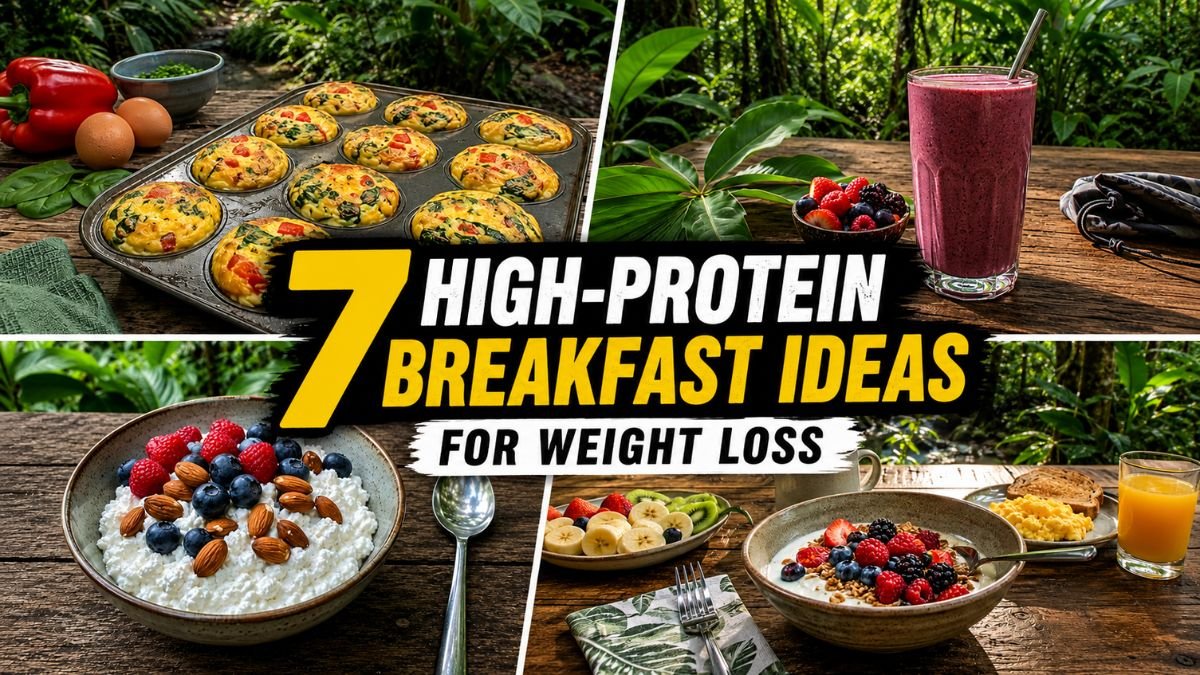
7 High-Protein Breakfast Ideas for Weight Loss
Breakfast gets a lot of conflicting advice skip it, don’t skip it, eat carbs, avoid carbs. But one point nutrition researchers actually agree on is more specific: the amount of protein in your first meal has a real, measurable effect on how hungry you feel for the rest of the day. Protein influences hunger hormones directly, which is why a high-protein breakfast tends to reduce snacking and overeating later — without requiring any extreme dieting.
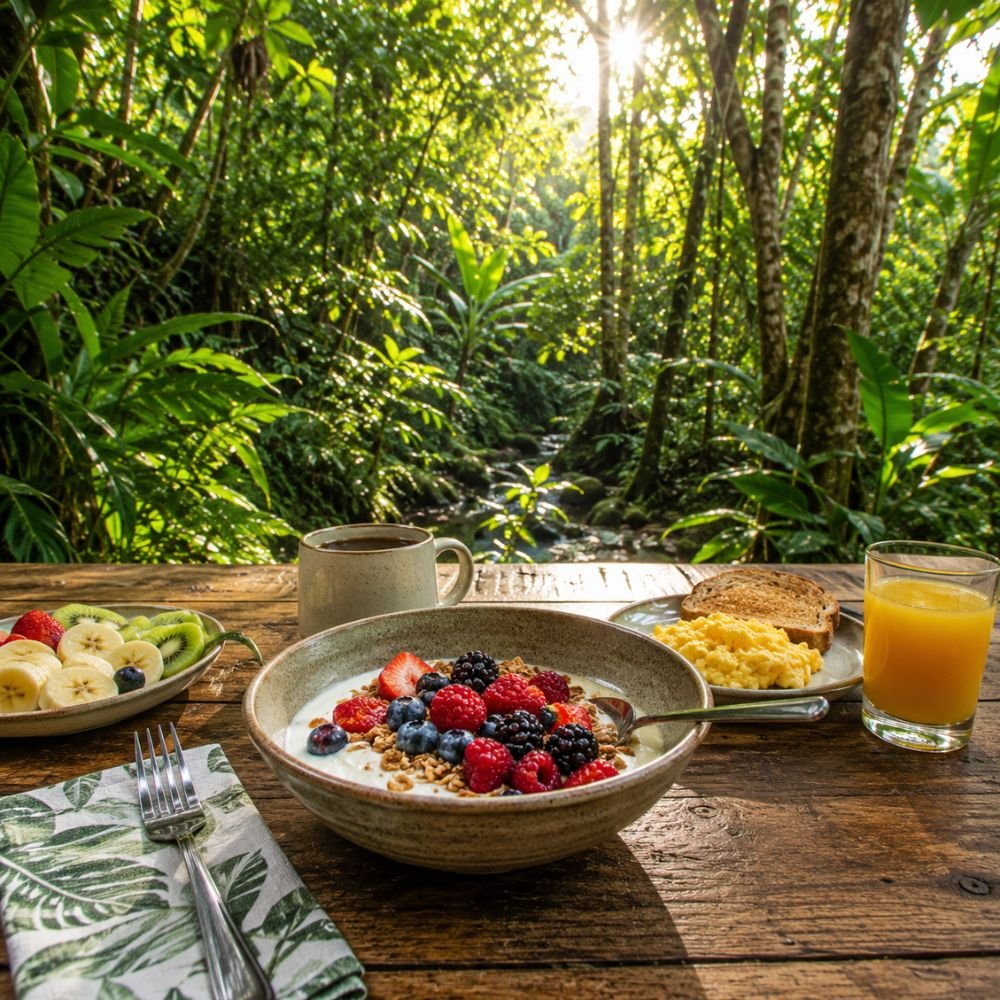
This article covers the science behind why protein-forward breakfasts support weight loss, then walks through seven practical, easy-to-make breakfast ideas that each deliver a meaningful protein dose.
Why Protein at Breakfast Actually Matters for Weight Loss
There are a few overlapping reasons protein-heavy breakfasts show up so consistently in weight management research:
- It changes your hunger hormones. Eating protein increases levels of peptide YY and GLP-1, two hormones that signal fullness to the brain, while also helping regulate ghrelin, the hormone that drives hunger. In practical terms, this means a high-protein breakfast can genuinely reduce how hungry you feel by mid-morning, not just how disciplined you’re being.
- It costs more calories to digest. Protein has a higher “thermic effect” than carbs or fat, meaning your body burns more energy simply breaking it down. This is a small effect on its own, but it adds up over consistent daily meals.
- It protects muscle during weight loss. When you’re eating fewer calories overall, your body is more likely to break down muscle for energy unless protein intake stays adequate — and preserving muscle matters for long-term metabolism, not just appearance.
- The general target research points to is 25–30 grams of protein at breakfast for most adults focused on weight management, though even meals with 12–20 grams show a measurable appetite benefit compared to low-protein mornings.
With that target in mind, here are seven breakfast ideas that consistently hit or approach that range.
1. Greek Yogurt Bowl With Chia Seeds and Walnuts
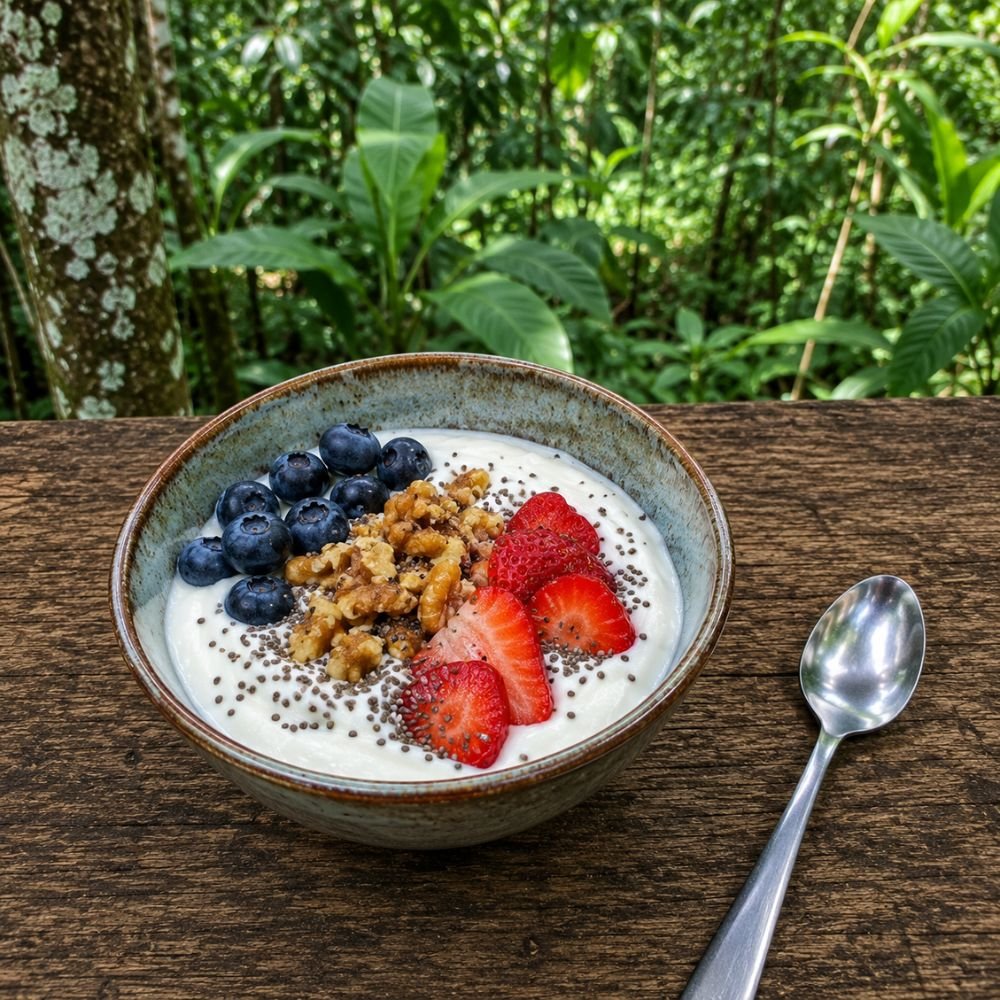
Plain Greek yogurt on its own delivers a solid protein base, and it’s a slow-digesting casein-style protein that tends to keep you full longer than faster-digesting options. Adding a spoonful of chia seeds and a handful of walnuts pushes the total protein higher while contributing fiber and healthy fats, which further slows digestion. Top with berries for fiber and natural sweetness instead of added sugar or flavored yogurt, which can quietly add a surprising amount of sugar to an otherwise healthy bowl.
| Detail | Info |
|---|---|
| Key ingredients | Greek yogurt, chia seeds, walnuts, berries |
| Protein | 20–25g |
| Calories | Approx. 300–350 kcal |
| Prep time | 5 minutes |
| Best for | Quick, no-cook mornings |
2. Classic Egg Scramble With Vegetables
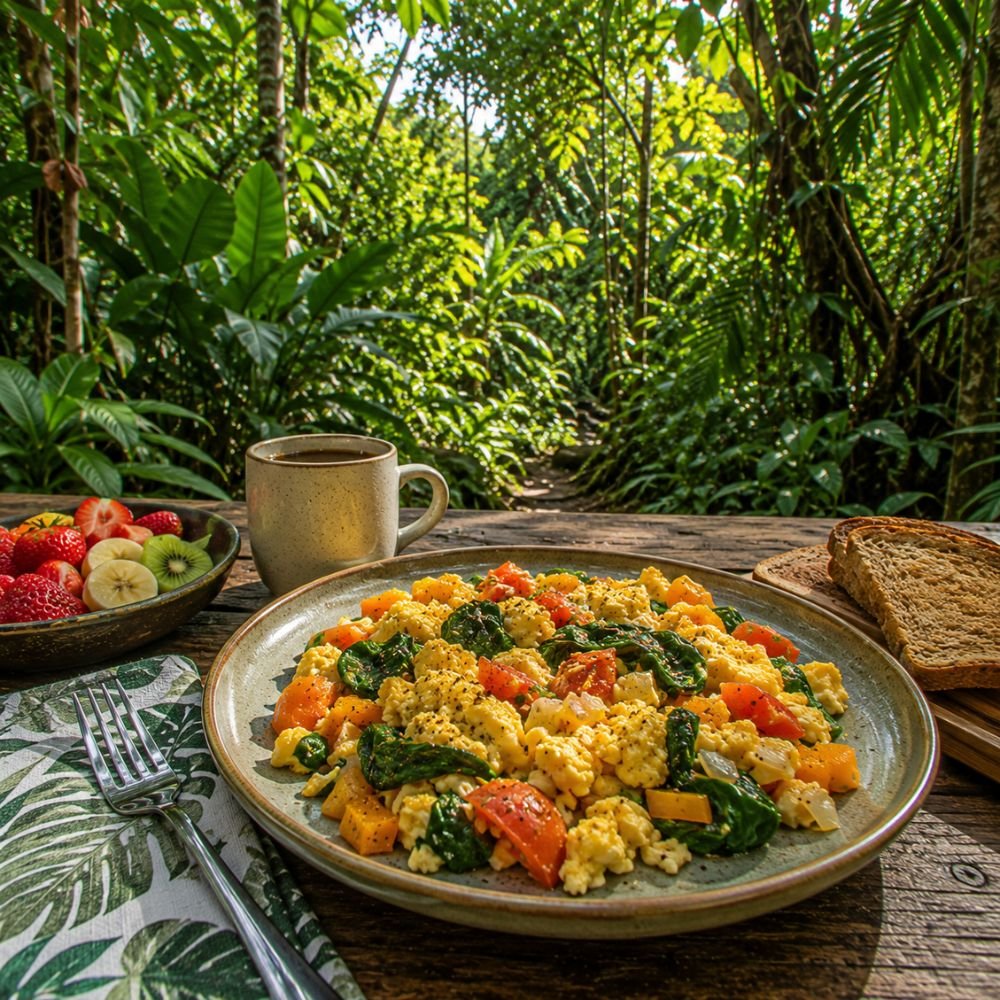
Eggs remain one of the most researched breakfast foods for appetite control, largely because they combine high-quality protein with very few carbohydrates. A scramble of two to three whole eggs with spinach, tomatoes, and peppers adds volume and micronutrients without meaningfully increasing calories. For an even higher protein version, swap in an extra egg white or two, which adds protein with minimal added fat.
| Detail | Info |
|---|---|
| Key ingredients | 2–3 eggs, spinach, tomatoes, peppers |
| Protein | 18–22g |
| Calories | Approx. 250–300 kcal |
| Prep time | 10 minutes |
| Best for | Classic, customizable breakfast |
3. Cottage Cheese With Almonds and Berries
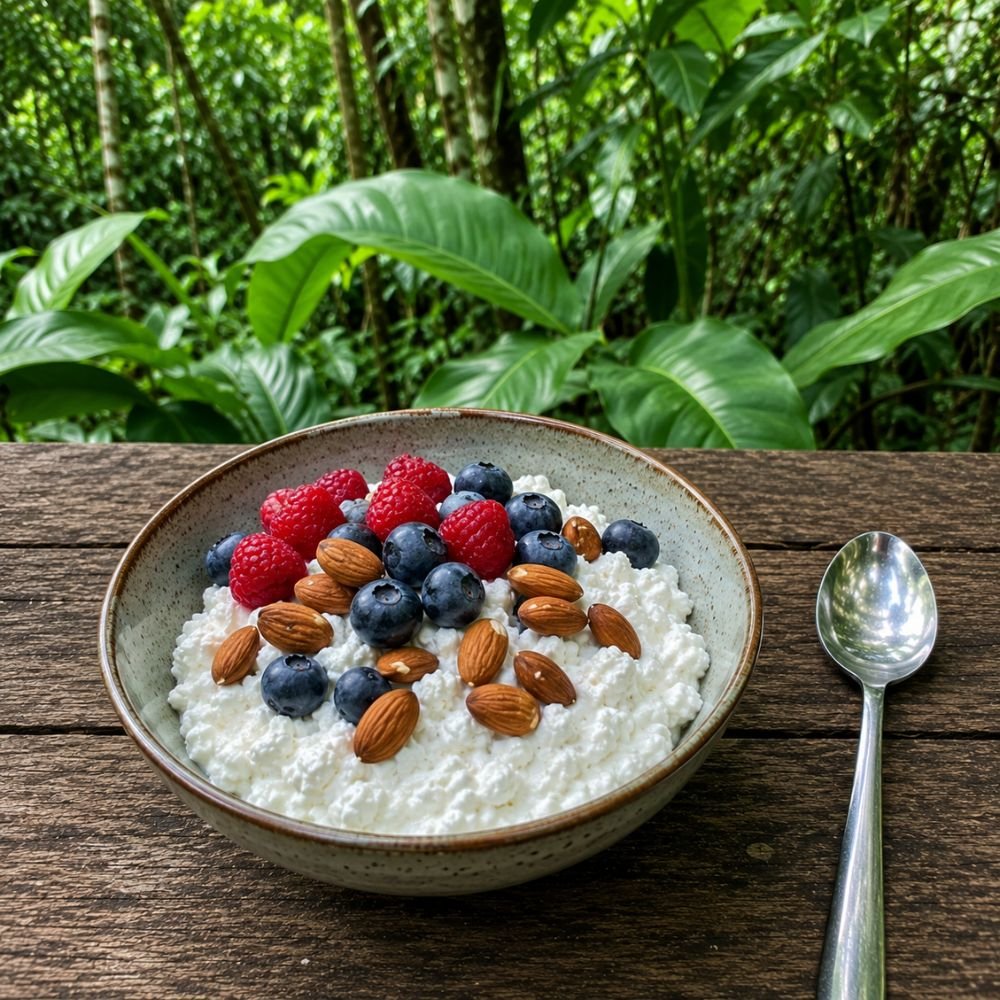
Cottage cheese is one of the most protein-dense breakfast foods available, often outperforming Greek yogurt gram for gram. A cup of low-fat cottage cheese topped with a small handful of almonds and fresh berries makes a genuinely filling, no-cook breakfast that takes under five minutes to put together — a strong option for busy mornings or anyone who prefers a cold breakfast over a cooked one.
| Detail | Info |
|---|---|
| Key ingredients | Cottage cheese, almonds, berries |
| Protein | 24–28g |
| Calories | Approx. 280–320 kcal |
| Prep time | 5 minutes |
| Best for | Highest protein-to-effort ratio |
4. Protein Smoothie With Greek Yogurt or Protein Powder
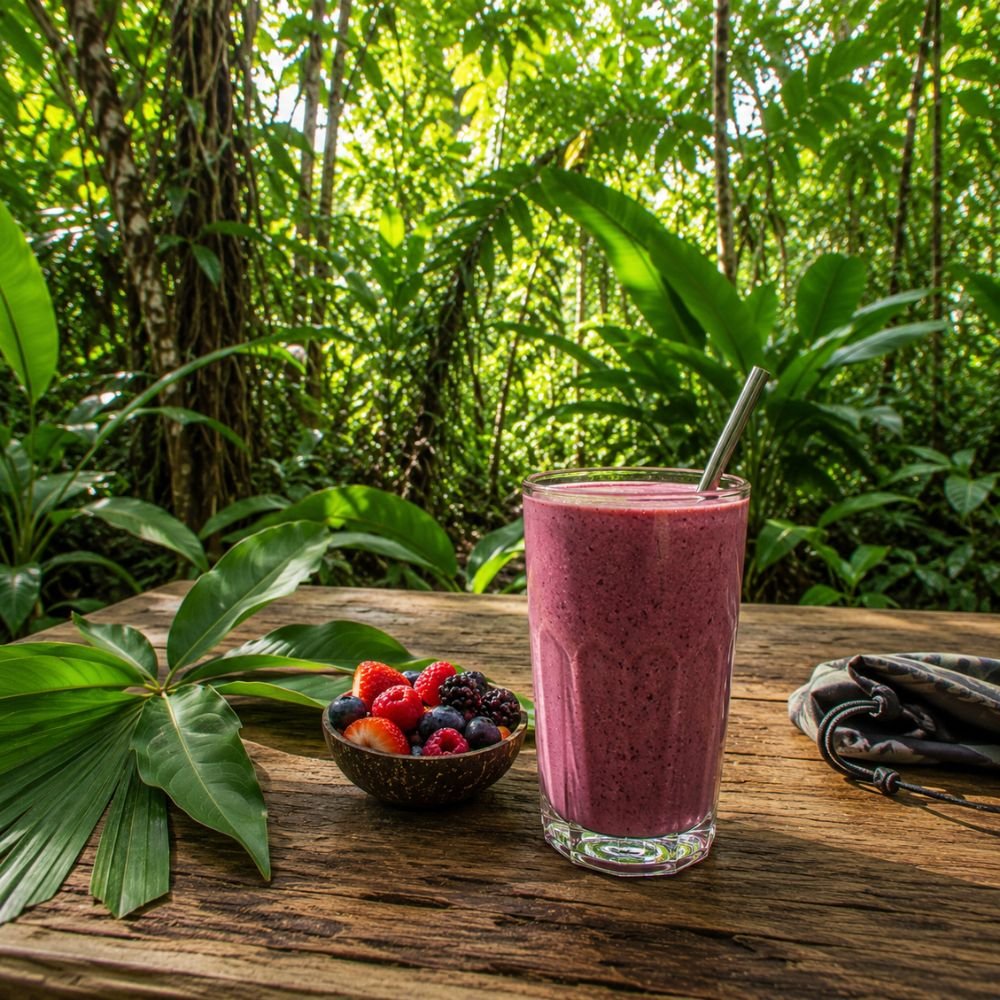
A well-built smoothie is one of the easiest ways to hit a high protein number without much effort. A base of Greek yogurt, milk, or a scoop of protein powder, blended with frozen berries and a small amount of spinach, delivers a substantial protein dose along with fiber and micronutrients. The one thing to watch for here is sneaky added sugar — fruit juice, flavored yogurt, or sweetened protein powders can turn a genuinely healthy smoothie into a dessert-level calorie bomb without adding any extra fullness.
| Detail | Info |
|---|---|
| Key ingredients | Greek yogurt/protein powder, milk, berries, spinach |
| Protein | 25–35g |
| Calories | Approx. 300–400 kcal |
| Prep time | 5 minutes |
| Best for | On-the-go mornings |
5. Savory Oatmeal With an Egg on Top
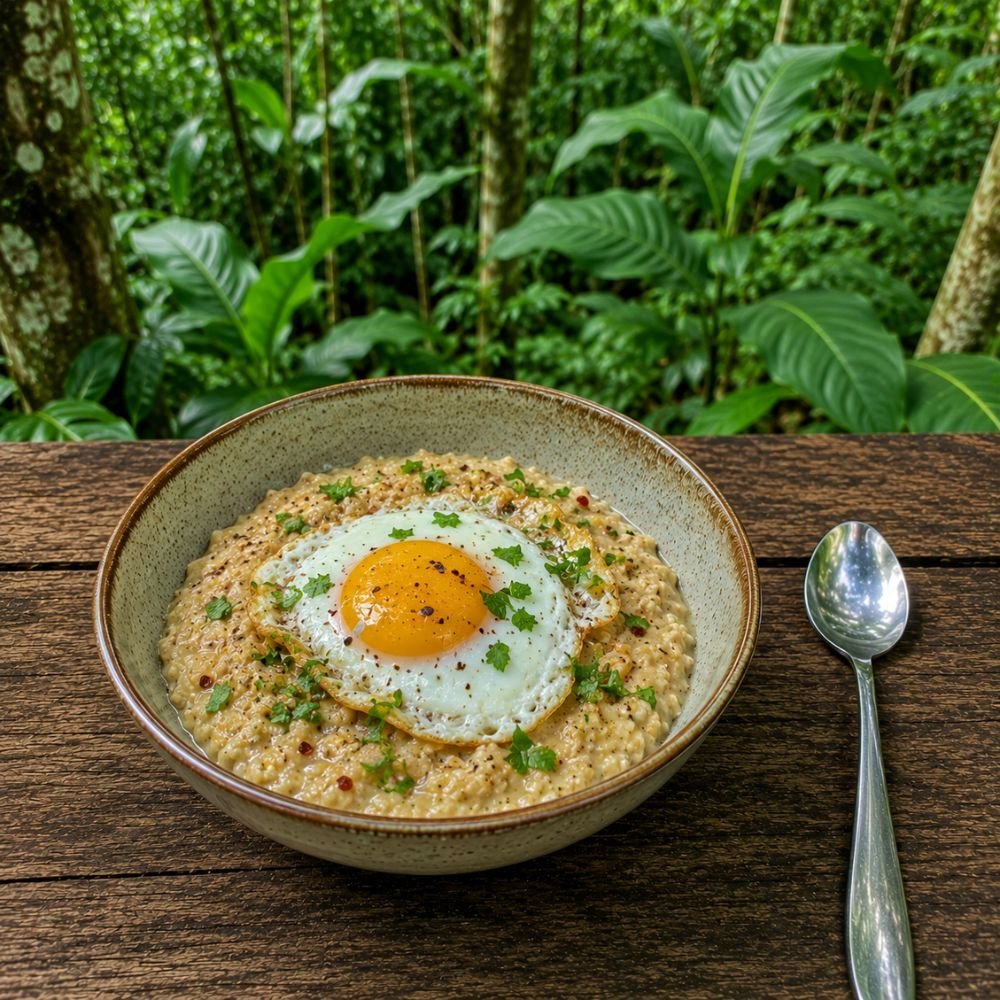
Oats alone are only moderately high in protein, but a savory version — cooked in broth or water rather than sweetened, topped with a fried or poached egg, and finished with a sprinkle of cheese — turns a carb-heavy breakfast into a much more balanced one. This version also tends to be more filling than sweet oatmeal, since the added protein and fat slow digestion compared to oats topped with just fruit and honey.
| Detail | Info |
|---|---|
| Key ingredients | Oats, broth or water, 1 egg, cheese |
| Protein | 18–20g |
| Calories | Approx. 300–350 kcal |
| Prep time | 15 minutes |
| Best for | Balancing carbs with protein |
6. Egg Bites or Egg Muffins (Meal-Prep Friendly)
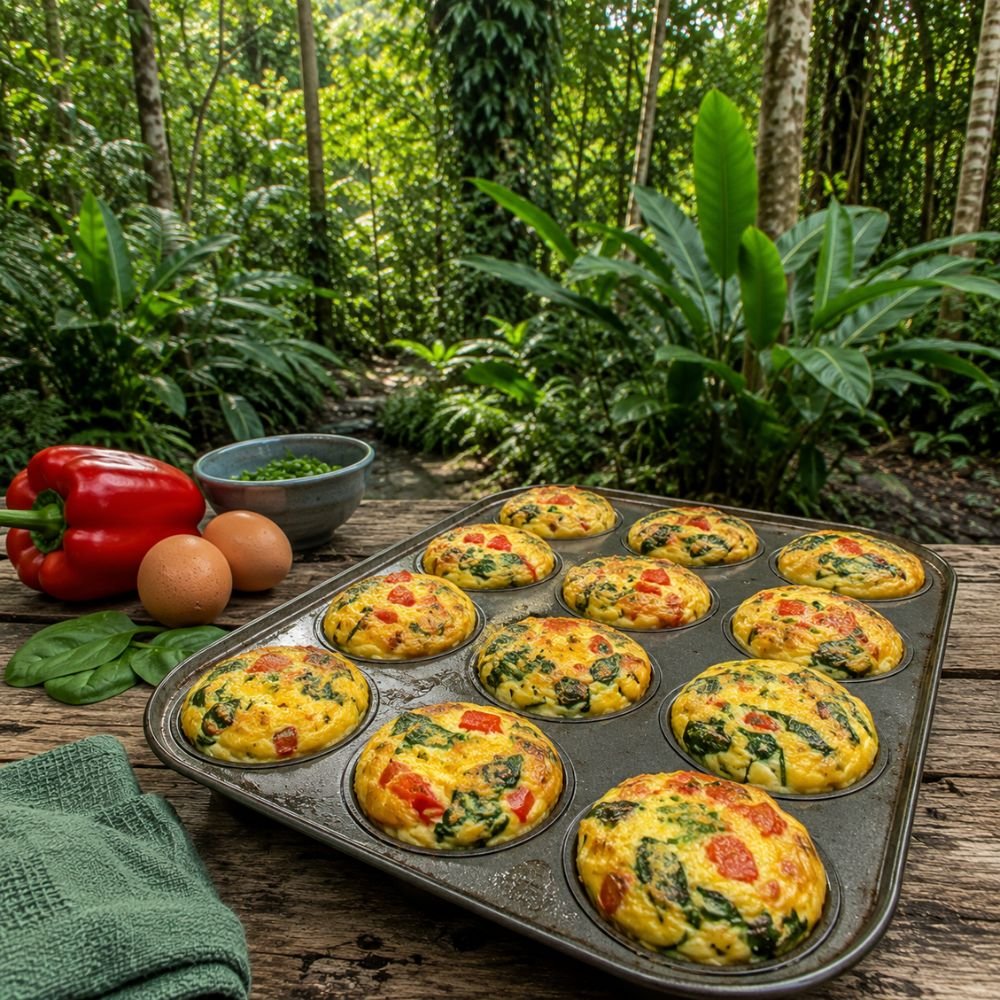
Made from a mix of eggs, cottage cheese, and chopped vegetables baked in a muffin tin, egg bites are one of the most practical options on this list because they’re built for batch cooking. Making a tray on a Sunday means a high-protein breakfast is ready in the time it takes to reheat it — which matters more for consistency than almost any other factor, since the “best” breakfast is the one you’ll actually eat most mornings instead of skipping.
| Detail | Info |
|---|---|
| Key ingredients | Eggs, cottage cheese, chopped vegetables |
| Protein | 20–25g |
| Calories | Approx. 220–280 kcal |
| Prep time | Prepped in advance (batch cooked) |
| Best for | Meal-preppers, busy weekdays |
7. Smoked Salmon With Eggs
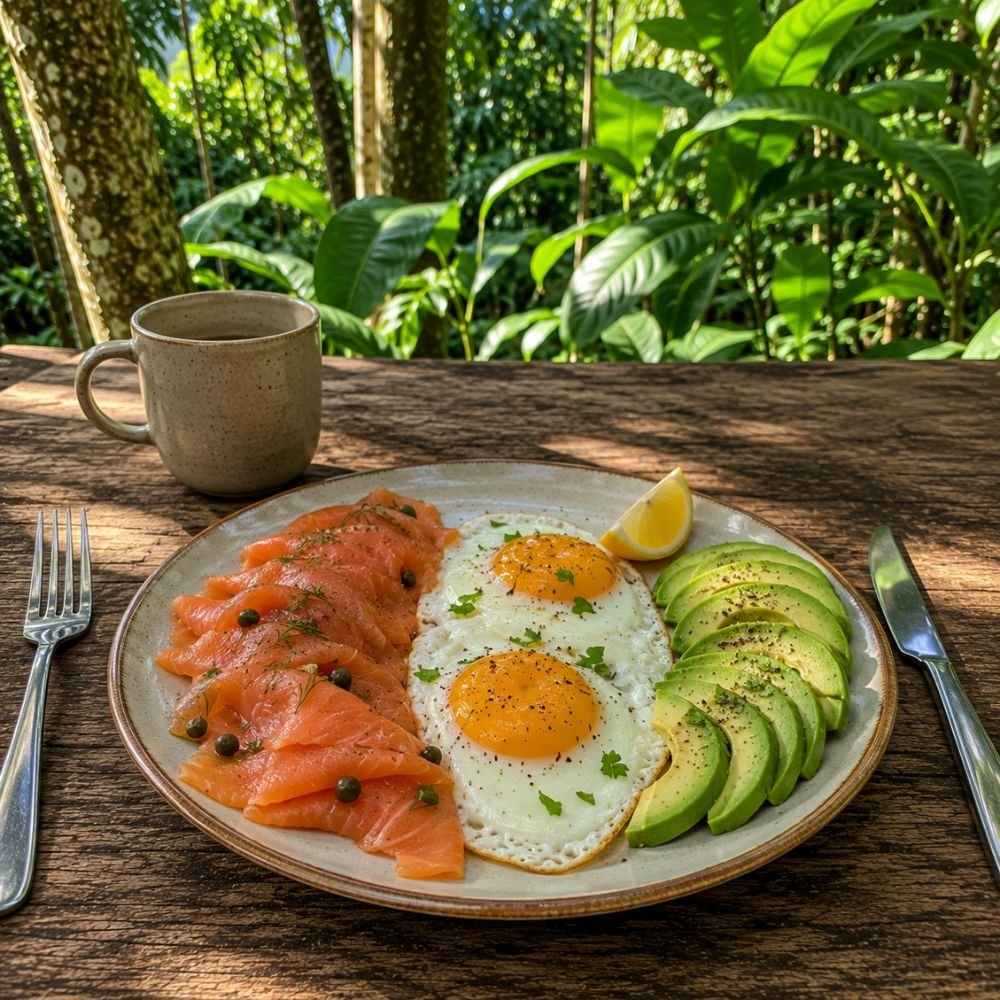
This is one of the highest-protein options on the list and also one of the most nutrient-dense, since smoked salmon contributes omega-3 fatty acids alongside its protein content. A couple of eggs paired with a few ounces of smoked salmon, and optionally a small amount of avocado, makes a breakfast that’s filling, high in protein, and supports overall metabolic health — a good option for anyone who prefers a more savory, restaurant-style breakfast on a weekend morning.
| Detail | Info |
|---|---|
| Key ingredients | 2 eggs, smoked salmon, optional avocado |
| Protein | 28–32g |
| Calories | Approx. 320–380 kcal |
| Prep time | 10 minutes |
| Best for | Weekend, nutrient-dense meals |
Quick Comparison Table
| # | Breakfast Idea | Key Ingredients | Approx. Protein | Approx. Calories | Prep Time | Best For |
|---|---|---|---|---|---|---|
| 1 | Greek yogurt bowl | Greek yogurt, chia seeds, walnuts, berries | 20–25g | 300–350 kcal | 5 min | Quick, no-cook mornings |
| 2 | Egg scramble with vegetables | 2–3 eggs, spinach, tomatoes, peppers | 18–22g | 250–300 kcal | 10 min | Classic, customizable breakfast |
| 3 | Cottage cheese with almonds & berries | Cottage cheese, almonds, berries | 24–28g | 280–320 kcal | 5 min | Highest protein-to-effort ratio |
| 4 | Protein smoothie | Greek yogurt/protein powder, milk, berries, spinach | 25–35g | 300–400 kcal | 5 min | On-the-go mornings |
| 5 | Savory oatmeal with egg | Oats, broth or water, 1 egg, cheese | 18–20g | 300–350 kcal | 15 min | Balancing carbs with protein |
| 6 | Egg bites / egg muffins | Eggs, cottage cheese, chopped vegetables | 20–25g | 220–280 kcal | Prepped in advance | Meal-preppers, busy weekdays |
| 7 | Smoked salmon with eggs | 2 eggs, smoked salmon, optional avocado | 28–32g | 320–380 kcal | 10 min | Weekend, nutrient-dense meals |
Calorie and protein values are approximate and will vary based on exact portion sizes and specific brands or ingredients used.
A Few Practical Tips for Making This Work Long-Term
- Don’t chase protein at the expense of everything else. Fiber and healthy fats still matter for fullness and overall nutrition — the goal is a balanced high-protein breakfast, not a protein-only one.
- Watch for hidden sugar in “healthy” toppings. Flavored yogurt, sweetened plant milks, and fruit juice can undo much of the appetite benefit of a high-protein meal.
- Consistency matters more than perfection. A high-protein breakfast only helps if you actually eat it regularly — batch-prepped options like egg bites or overnight-soaked chia bowls tend to stick better than options that require daily cooking.
- Pair protein with fiber when possible. Berries, chia seeds, vegetables, and whole grains slow digestion further and extend the fullness that protein alone provides.
Final Thoughts
None of these seven ideas require unusual ingredients or complicated cooking — they’re built around foods most people already have some familiarity with, just recombined with protein as the anchor rather than an afterthought. Pick two or three that fit your schedule and taste, rotate through them, and let consistency do the work. Individual calorie and macro needs vary based on activity level, health history, and personal goals, so if you’re making significant changes to your diet for weight loss, it’s worth checking in with a registered dietitian or doctor to tailor these ideas to your specific needs.