
10 kg weight loss in 7 days diet plan
Lose 10 kg in 7 days” is one of the most searched weight loss phrases in the U.S. and also one of the most misleading. This guide breaks down why that number simply isn’t achievable safely, what actually happens on the scale during a fast start, and gives you a realistic, doctor-guideline-based 7-day kickstart plan that delivers real, visible results without wrecking your health.
The Math That Proves 10 kg in 7 Days Isn’t Real Fat Loss
Losing 1 kg of actual body fat requires burning roughly 7,700 calories more than you consume. To lose 10 kg in 7 days, you’d need a deficit of about 77,000 calories or 11,000 calories per day. For comparison, most adults burn 1,800–2,500 calories a day just existing. There is no safe, or even physically realistic, way to create that kind of gap through diet or exercise.
| Goal | Calorie Deficit Needed | Daily Deficit Over 7 Days | Realistic? |
|---|---|---|---|
| Lose 1 kg (fat) | ~7,700 kcal | ~1,100 kcal/day | Yes, achievable safely |
| Lose 5 kg (fat) | ~38,500 kcal | ~5,500 kcal/day | No — far exceeds safe limits |
| Lose 10 kg (fat) | ~77,000 kcal | ~11,000 kcal/day | No — physically not sustainable |
So what are people actually losing when they claim rapid 5–10 kg drops in a week? Almost always: water weight, glycogen depletion, and undigested food — not fat. This kind of drop often comes from dehydration, laxatives, or extreme starvation, all of which carry real health risks like dizziness, kidney strain, muscle loss, and rapid weight regain once normal eating resumes.
What’s Actually Safe: CDC & Harvard-Backed Weight Loss Rates
| Source | Recommended Safe Rate |
|---|---|
| CDC (U.S.) | 1–2 lbs (0.45–0.9 kg) per week |
| Harvard Health | 1–2 lbs per week via a 500–750 kcal daily deficit |
| NHS (for comparison) | 0.5–1 kg per week |
Interestingly, the first week of any new diet often shows a bigger drop than usual — typically 1–3 kg — but this is mostly water weight and glycogen loss, not fat. Real, steady fat loss settles into the 0.5–1 kg/week range from week two or three onward, provided the calorie deficit stays consistent.
A Safe, Realistic 7-Day Kickstart Diet Plan
This plan won’t get you to 10 kg, but it will genuinely reduce bloating, water retention, and support the start of real fat loss — typically 1–3 kg of combined water and fat loss in week one, which is both safe and realistic.
| Day | Breakfast | Lunch | Dinner | Snack |
|---|---|---|---|---|
| 1 | Egg whites + spinach + whole grain toast | Grilled chicken salad with olive oil dressing | Baked salmon + steamed broccoli | Greek yogurt |
| 2 | Oatmeal with berries | Turkey and veggie wrap (whole wheat) | Grilled tofu + quinoa + roasted veggies | Handful of almonds |
| 3 | Greek yogurt parfait with chia seeds | Lentil soup + side salad | Grilled chicken + sweet potato | Sliced cucumber + hummus |
| 4 | Veggie omelet | Quinoa bowl with black beans and avocado | Baked cod + asparagus | Apple slices |
| 5 | Smoothie (spinach, banana, protein powder) | Grilled shrimp salad | Stir-fried vegetables + brown rice | Cottage cheese |
| 6 | Whole grain toast + avocado + egg | Chicken and vegetable soup | Turkey meatballs + zucchini noodles | Carrot sticks + tzatziki |
| 7 | Protein pancakes (oat-based) | Mixed green salad with grilled salmon | Vegetable stir-fry + tofu | Berries |
General guidelines for this week:
- Aim for a 500–750 calorie daily deficit — enough to lose fat safely without triggering muscle loss or metabolic slowdown
- Drink at least 8–10 glasses of water daily; dehydration is often mistaken for hunger
- Cut back on added sodium and processed foods, which are major contributors to visible bloating and water retention
- Include 30–45 minutes of moderate activity most days (walking, cycling, or light strength training)
- Prioritize 7–9 hours of sleep — poor sleep raises hunger hormones and makes a calorie deficit much harder to sustain
Why Crash Dieting Backfires (Even If the Scale Moves)
Very-low-calorie diets and extreme restriction often trigger the body’s “starvation mode,” where metabolism slows down to conserve energy. This makes it easier to regain weight — often more than what was lost — once normal eating resumes. Rapid weight loss also disproportionately comes from muscle and water rather than fat: research shows muscle can account for up to 35% of total weight lost on crash diets, compared to roughly 20–25% on a slower, well-planned approach. Since muscle tissue burns more calories at rest, losing it actually makes future weight loss harder, not easier.
1. Healthy Breakfast Plate
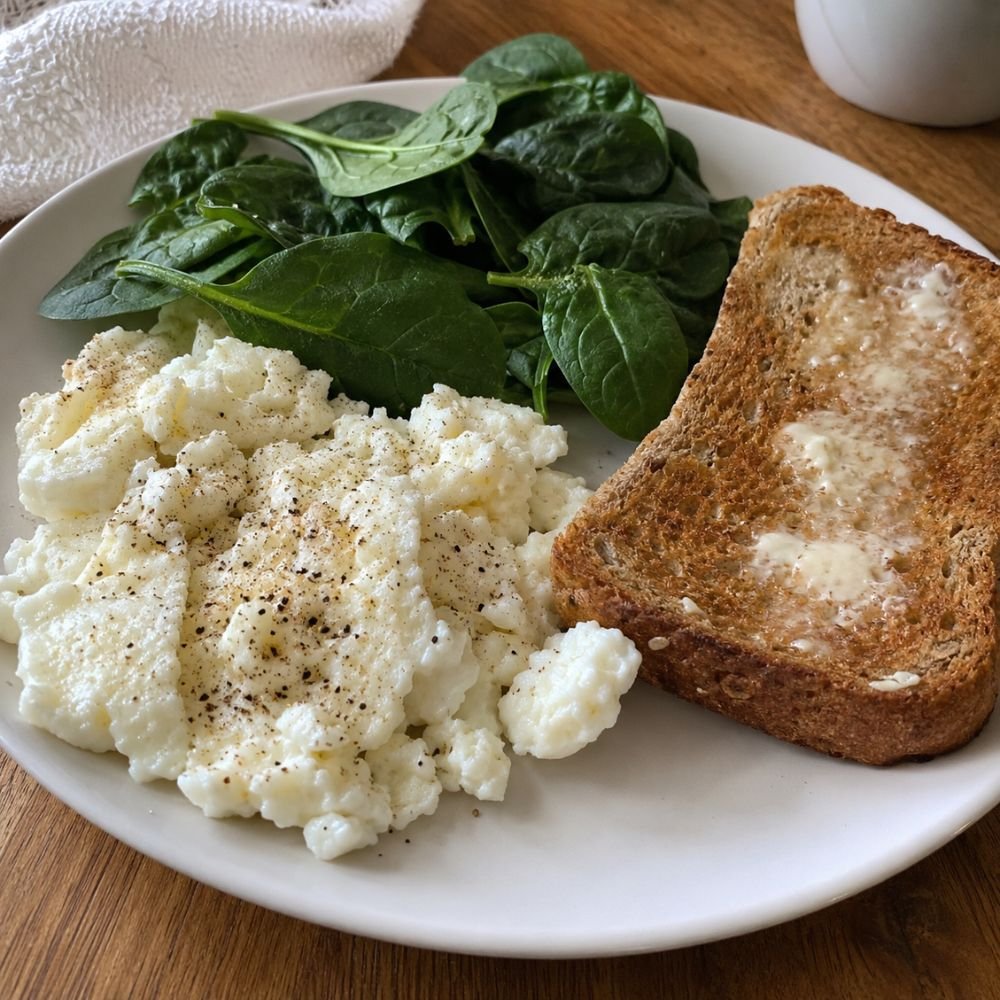
A plate with fluffy egg whites, sautéed spinach, and a slice of whole grain toast Soft, natural morning light coming from a window Simple, uncluttered kitchen table setting Candid, homemade look (not studio-lit)
2. Meal Prep Containers
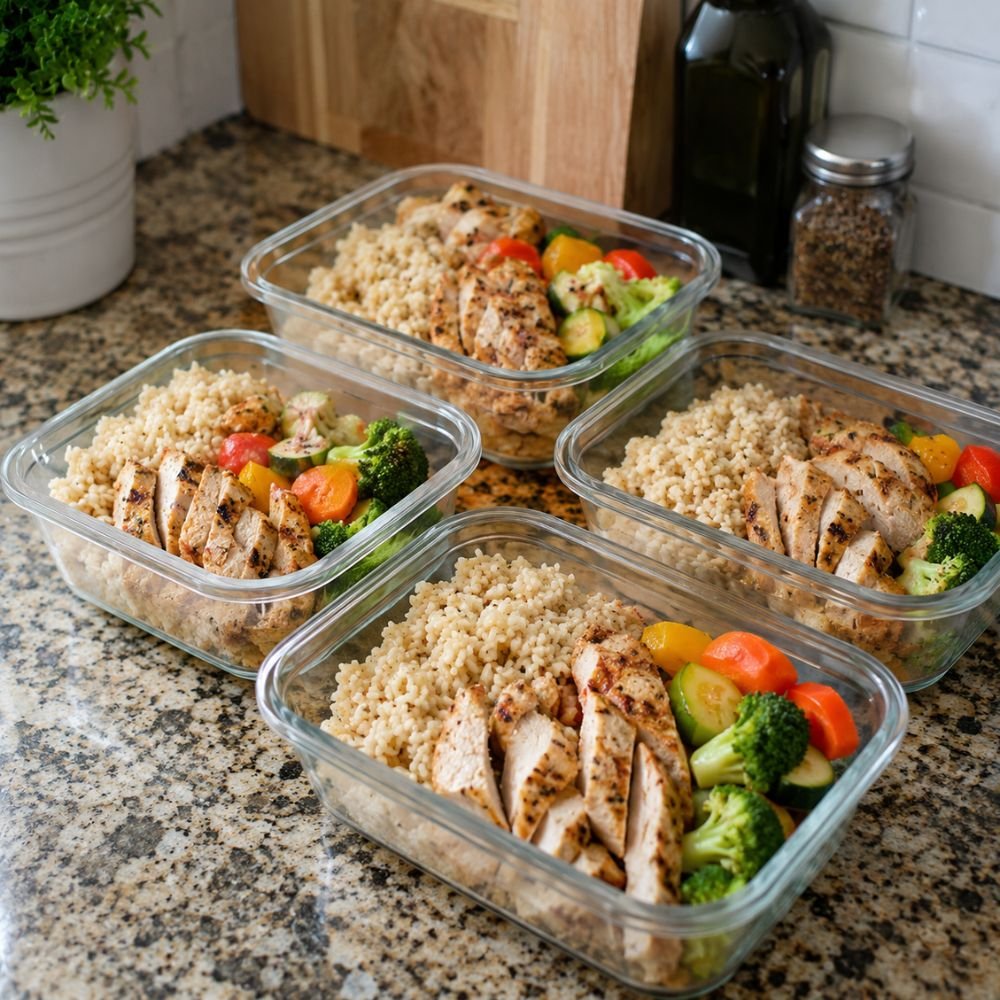
Several clear plastic/glass meal prep containers lined up Each filled with grilled chicken, mixed vegetables, and brown rice Bright, natural daylight on a kitchen counter Casual, everyday meal-prep styling
3. Water Tracking Bottle

A large reusable water bottle with printed time markers on the side Placed on a desk next to a small notebook Soft, natural indoor lighting Simple, lifestyle-photo feel
4. Grilled Salmon Dinner
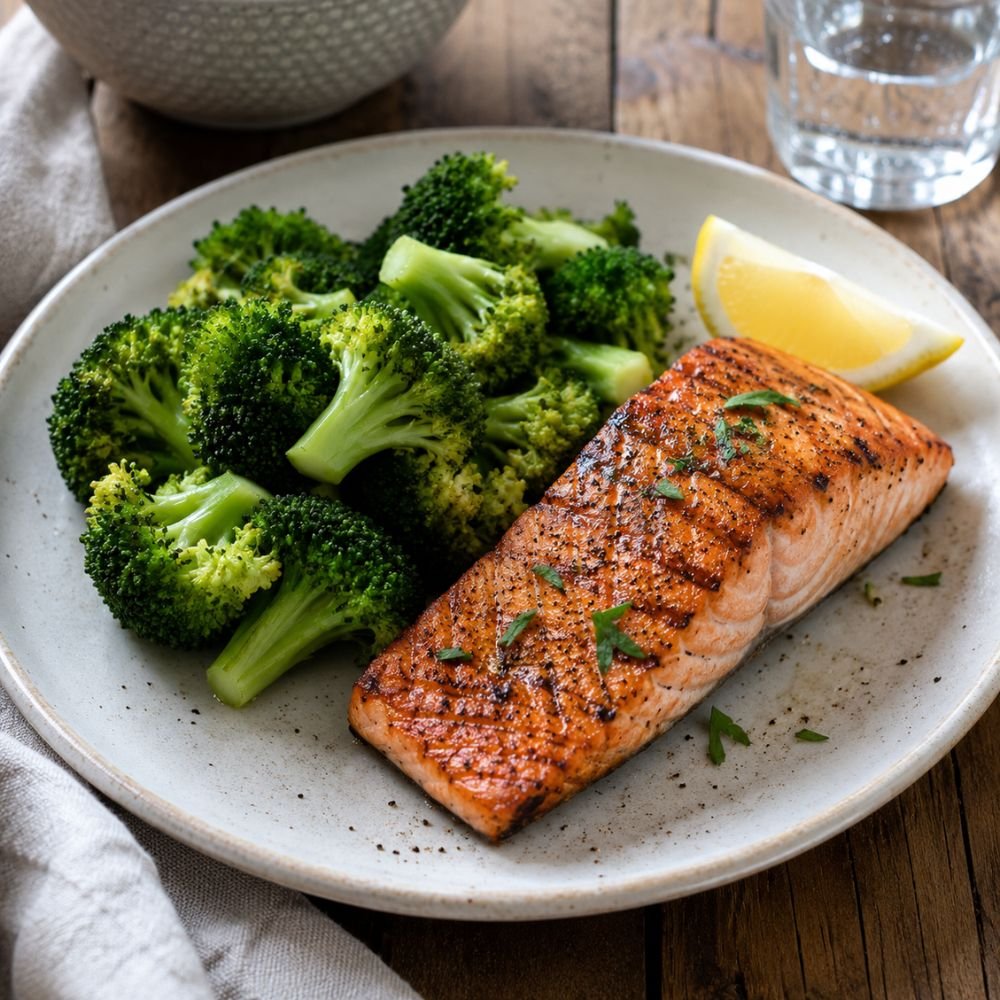
A dinner plate with a grilled salmon fillet A side of steamed broccoli Warm, natural lighting Rustic wooden table setting, candid dinner-time feel
5. Morning Walk

A person walking along an outdoor park path Dressed in casual athletic wear Bright natural daylight Slight motion blur to suggest movement, candid (not posed) feel
6. Greek Yogurt Parfait

A small clear glass layered with yogurt, fresh berries, and chia seeds Soft morning light Kitchen counter in the background, slightly blurred Simple, homemade breakfast styling
7. Grocery Basket of Whole Foods

A shopping basket filled with fresh vegetables, packaged lean protein, and whole grain products Natural daylight, as if shot inside a grocery store Candid, unposed composition
8. Sleep & Recovery

A bedside table with a glass of water and a small alarm clock Clock displaying an early morning time Soft natural light filtering through curtains Calm, cozy bedroom atmosphere
9. Weekly Meal Plan Notebook
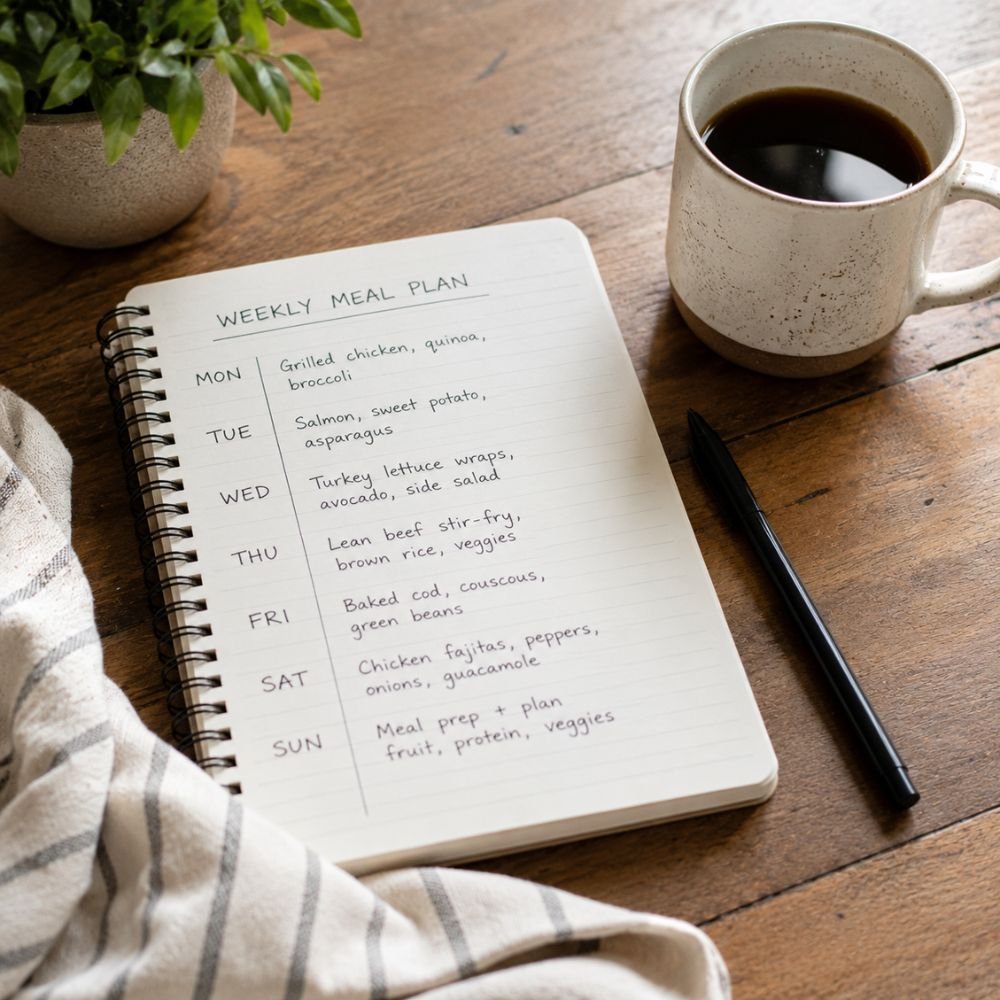
An open notebook with a handwritten weekly meal plan A cup of coffee placed beside it Kitchen table setting with natural daylight Casual, everyday planning moment
10. Light Strength Training at Home

A person performing a bodyweight squat Bright home living room setting Natural daylight coming through windows Candid, mid-movement fitness photography style
Frequently Asked Questions
Is it possible to lose 10 kg in 7 days safely? No. This would require an unrealistic calorie deficit that isn’t physically sustainable through diet or exercise alone, and any rapid drop of this size is almost always water weight, not fat.
How much weight can I realistically lose in a week? Most people can safely lose 0.5–1 kg of actual fat per week, though the first week often shows a slightly bigger drop due to water weight.
Why did I lose 3 kg in the first few days of a new diet? This is typically water weight loss from reduced carbohydrate and sodium intake, not fat. It’s normal, but it isn’t a sign of long-term progress on its own.
Are detox teas or diuretics a good way to drop weight fast? No. These cause water loss, not fat loss, and can lead to dehydration, electrolyte imbalances, and other health risks.
What’s the best way to see faster, safe progress? Combining a moderate calorie deficit, adequate protein, regular movement, and good sleep gives the most sustainable and visible results over time.
Disclaimer
This article is for general informational purposes only and isn’t medical or nutritional advice. Weight loss rates and calorie figures are based on general CDC and Harvard Health guidelines but vary by individual. Consult a doctor or registered dietitian before starting any new diet plan, especially if you have underlying health conditions.