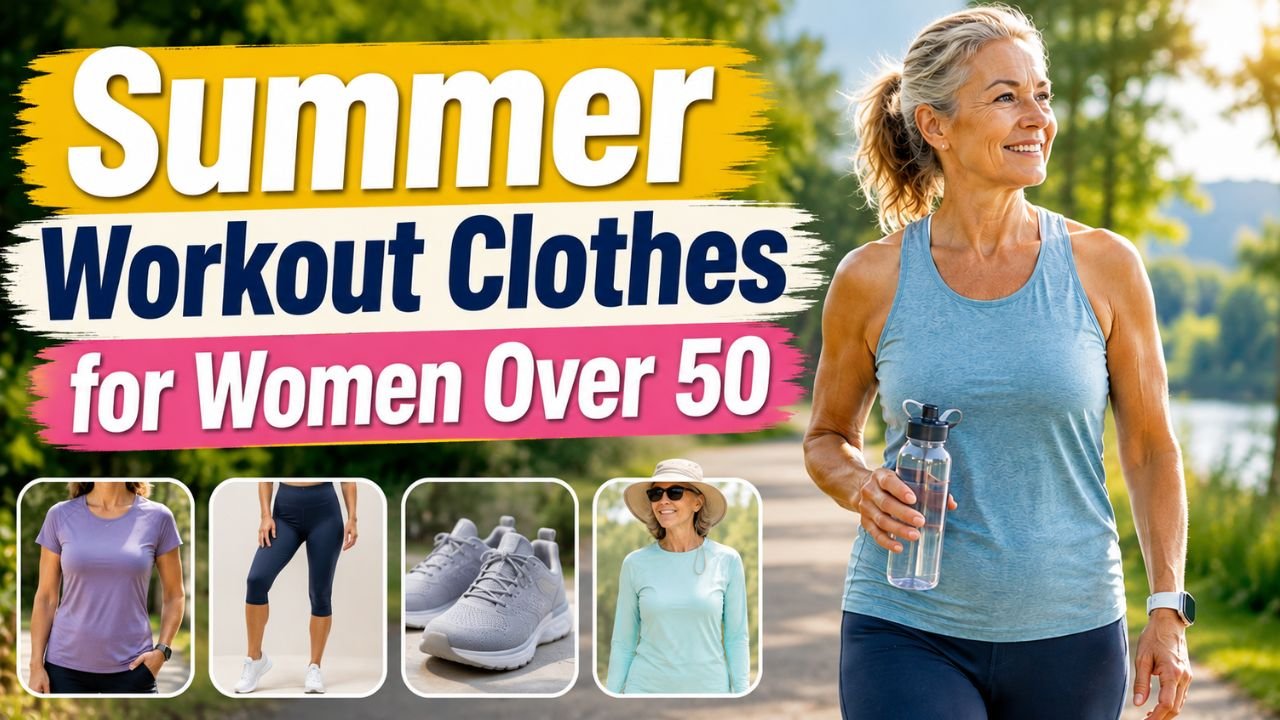
Summer Workout Clothes for Women Over 50: A Practical Guide to Staying Cool and Comfortable
Choosing the right summer workout clothes for women over 50 can make exercise more comfortable, especially during hot and humid weather. The goal is not to dress according to age, but to choose clothing that supports movement, manages sweat, protects your skin, and feels comfortable throughout a workout.
As we get older, comfort and fit can become even more important. A waistband that digs into the skin, a bra that lacks support, or fabric that stays wet can quickly make an otherwise enjoyable workout frustrating. Fortunately, summer workout clothing has become much more practical, with lightweight fabrics, supportive designs, and versatile options for walking, strength training, yoga, cycling, and outdoor exercise.
Summer Workout Clothes for Women Over 50: What to Look For
The best workout outfit is one that allows you to move freely without constantly adjusting your clothing. Look for lightweight, breathable materials and a fit that feels secure without being restrictive.
For outdoor exercise, also consider sun protection, comfortable footwear, and clothing that helps you stay cool. Your choice should depend on the activity, weather, and personal comfort rather than simply following a particular fashion trend.
1. Lightweight Moisture-Wicking Tops
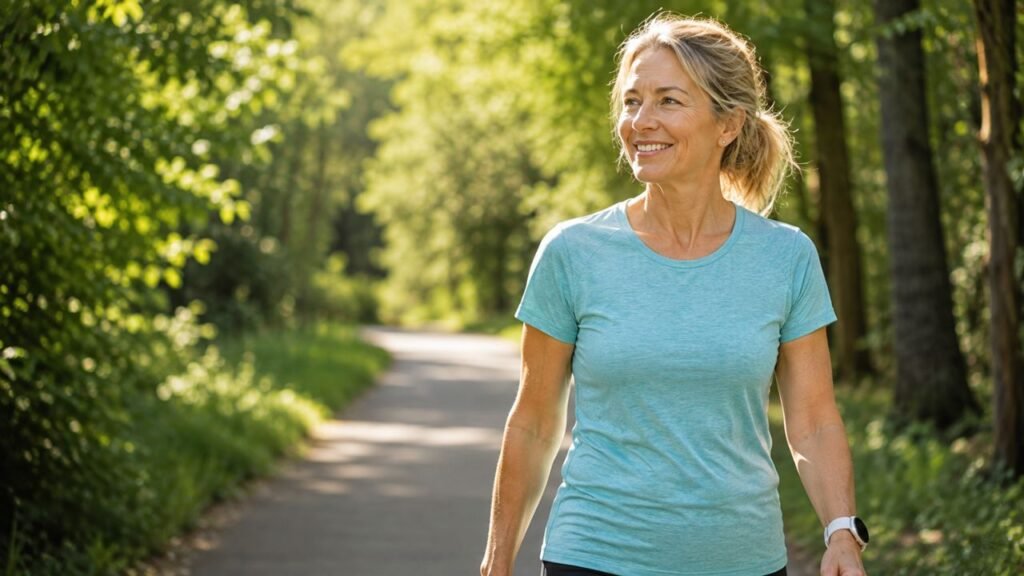
A lightweight workout top is a good starting point for warm-weather exercise. Synthetic performance fabrics such as polyester or nylon are commonly designed to move moisture away from the skin and dry relatively quickly.
A loose or relaxed fit can provide airflow, while a moderately fitted top may stay in place better during strength training or yoga.
Look for:
- Lightweight construction
- Moisture-wicking fabric
- Comfortable arm openings
- A length that stays in place during movement
- Flat or smooth seams when possible
Cotton can feel comfortable for casual activities, but it tends to absorb and retain sweat. For longer workouts in hot conditions, a moisture-managing performance fabric may feel more comfortable.
read also: 7 easy exercises for a flat stomach and small waist
2. Supportive Sports Bras
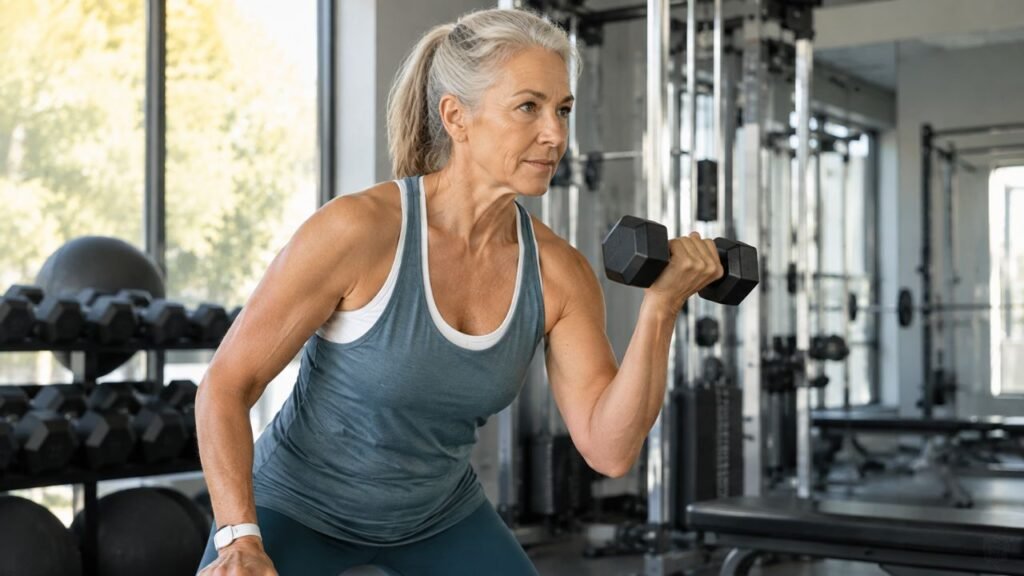
A sports bra should provide enough support for your chosen activity without causing uncomfortable pressure.
For walking, yoga, Pilates, and gentle strength workouts, a light- to medium-support bra may be sufficient. Higher-impact activities such as jogging generally require more support.
Pay attention to the band, straps, and overall fit. The band should feel secure without digging into the skin, while the straps should remain comfortably in place.
A good sports bra can also reduce the need to adjust your clothing while exercising.
3. High-Waisted Workout Leggings
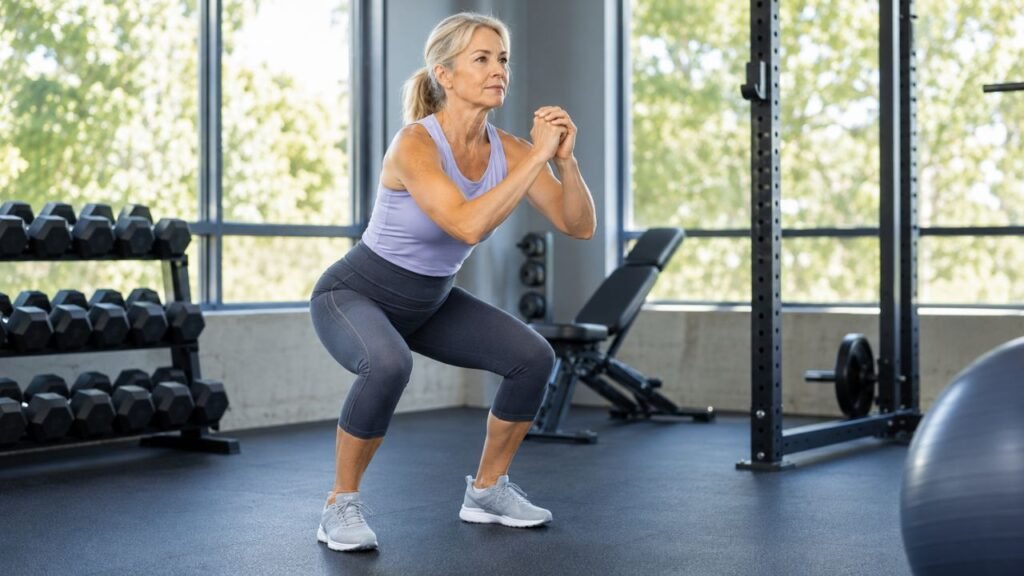
High-waisted leggings are popular because they provide coverage and generally stay in place during bending, stretching, and strength exercises.
However, the waistband should not be excessively tight. A comfortable waistband should sit securely without creating significant pressure around the abdomen.
Choose leggings with:
- Stretchy, breathable fabric
- A comfortable waistband
- Adequate coverage when bending
- Flat seams when possible
- A length appropriate for the weather
For very hot days, full-length leggings may feel warmer than shorts or capris. Your local temperature and workout intensity should guide the choice.
4. Comfortable Workout Shorts
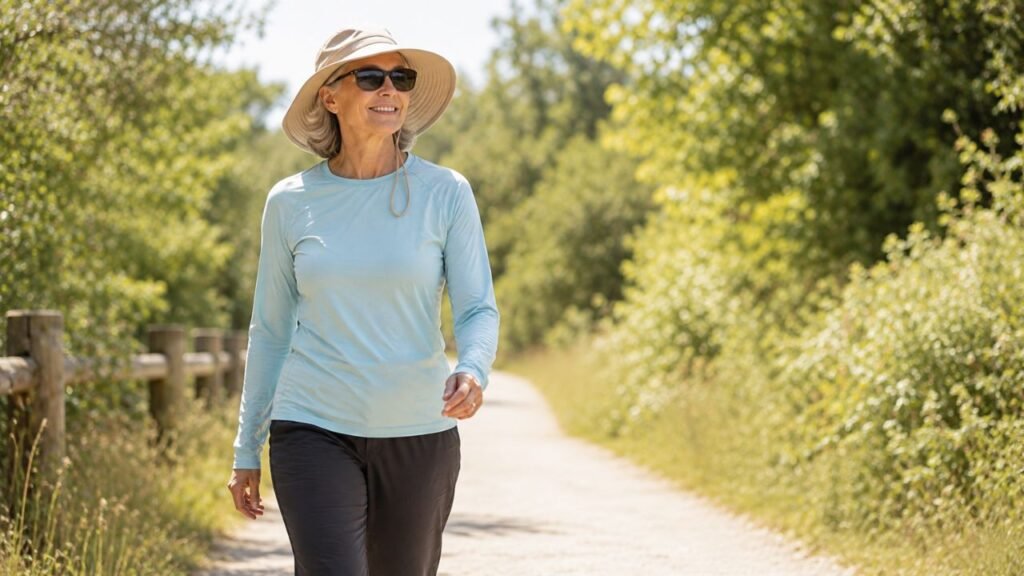
Shorts can be an excellent choice for hot summer workouts. Look for a comfortable waistband and enough room around the thighs to allow unrestricted movement.
If thigh chafing is a concern, slightly longer shorts or lightweight fitted shorts underneath looser outer shorts may provide additional comfort.
Avoid excessively loose designs if they interfere with walking, cycling, resistance training, or other movements.
5. Breathable Capris
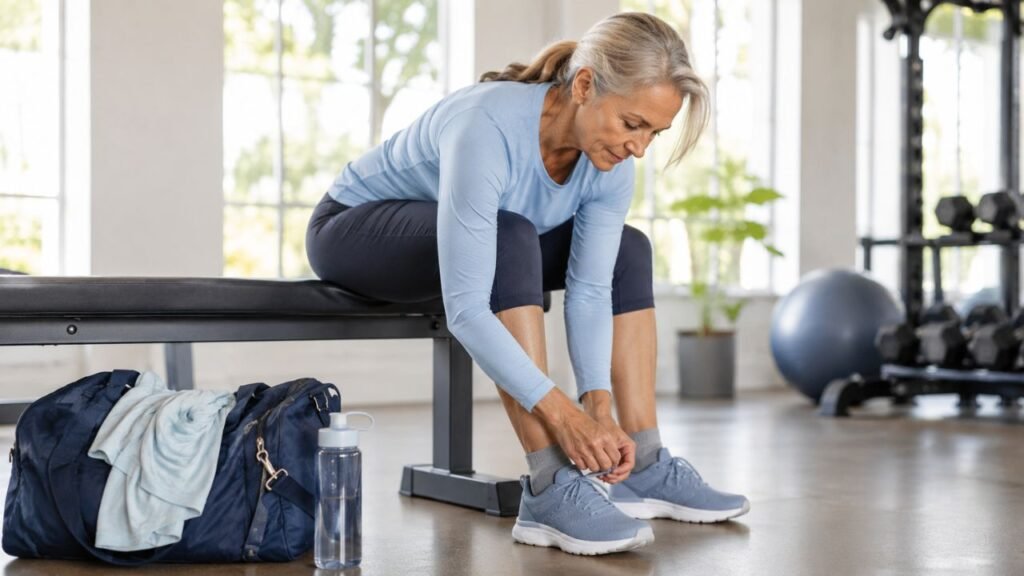
Capri-length workout pants can provide a useful middle ground between shorts and full-length leggings.
They offer more coverage than shorts while exposing more of the lower leg than full-length pants. This can make them practical for walking, gym workouts, and outdoor activities in moderately warm weather.
Choose a lightweight material that stretches comfortably and does not trap excessive heat.
read also: Top 9 kettlebell workout for weight loss female
6. Lightweight Layers for Changing Conditions
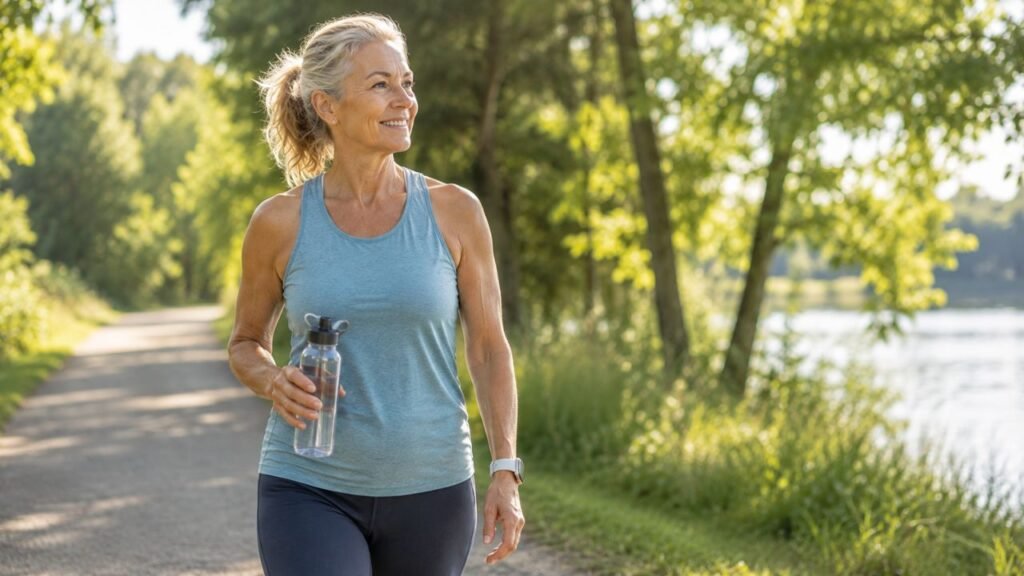
Summer does not always mean consistently hot weather. Early-morning walks, air-conditioned gyms, and outdoor workouts can have very different temperatures.
A lightweight zip-up jacket, long-sleeve performance top, or breathable overshirt can make it easier to adapt.
The best layers are easy to remove and carry once your body warms up.
7. Sun-Protective Workout Clothing
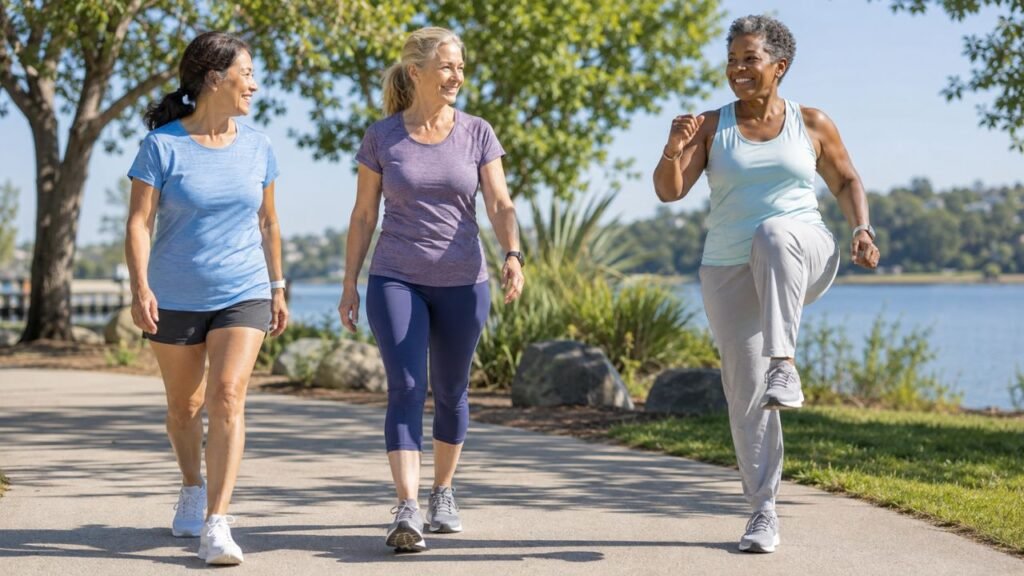
If you exercise outdoors, clothing can be part of your overall sun-protection strategy.
Some garments are specifically labeled with a UPF rating, which indicates their tested ability to protect against ultraviolet radiation. When buying sun-protective clothing, look for the manufacturer’s stated UPF rating rather than assuming that every long-sleeve garment offers the same level of protection.
A wide-brimmed hat, sunglasses, shade, and sunscreen on exposed skin can also be useful parts of an outdoor sun-protection routine.
8. Comfortable Socks and Supportive Shoes
Workout clothing is not limited to shirts and pants. The right socks and shoes can have a major effect on comfort.
Choose moisture-managing socks that fit properly and do not bunch inside the shoe. For footwear, select shoes appropriate for the activity and your individual needs.
Walking shoes, running shoes, training shoes, and cycling shoes are designed for different purposes. A shoe that feels excellent for walking may not be the best option for every other workout.
If you regularly experience foot discomfort, persistent pain, or difficulty finding comfortable footwear, consider getting professional advice about your individual needs.
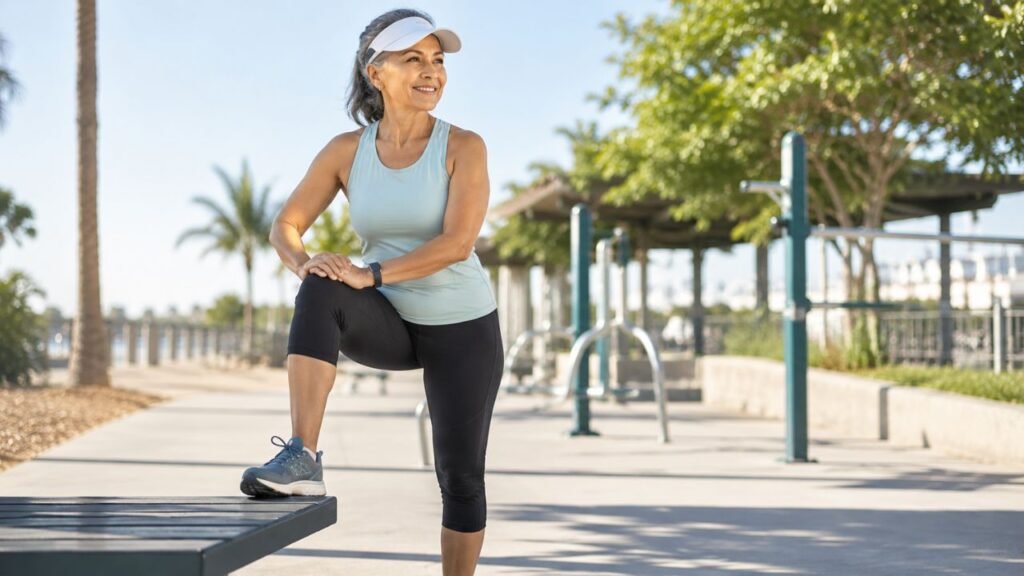
Best Summer Workout Outfits for Different Activities
There is no single perfect summer outfit. Your clothing should match what you are doing.
For Walking
Try lightweight moisture-wicking shorts or capris with a breathable top, supportive socks, and comfortable walking shoes.
For outdoor walks, add sun protection appropriate for the weather and time of day.
For Strength Training
A fitted or semi-fitted performance top with leggings, shorts, or capris works well. Clothing should stay in place during squats, lunges, resistance exercises, and other movements.
Avoid extremely loose tops or pants that could interfere with equipment.
For Yoga and Pilates
Stretchy leggings or comfortable fitted shorts paired with a breathable top can allow a full range of movement.
Choose fabrics that remain comfortable during floor exercises and do not have bulky seams in areas that repeatedly contact the floor.
For Cycling
Cycling requires clothing that allows unrestricted leg movement. Padded cycling shorts can improve comfort during longer rides, while a moisture-wicking top can help manage sweat.
A properly fitted helmet is essential for outdoor cycling.
For Outdoor Workouts
Choose lightweight, breathable clothing and consider sun-protective garments when appropriate. On very hot days, exercising during cooler parts of the day can also make the session more comfortable.
Remember that clothing cannot completely prevent heat-related illness. Pay attention to how you feel and adjust your activity when conditions are unusually hot.
How Should Workout Clothes Fit After 50?
Age alone does not determine the correct clothing size or fit. Comfort, mobility, and personal preference matter much more.
Before buying an outfit, consider how it feels when you:
- Raise both arms
- Bend forward
- Squat
- Walk
- Stretch
- Sit
- Take several deep breaths
The clothing should move with you rather than constantly pulling, rolling, slipping, or digging into the skin.
A slightly relaxed fit may feel better for some outdoor activities, while a closer fit can be useful for exercises where loose fabric could get in the way.
Fabrics That Work Well in Summer
Several fabric choices can be useful for warm-weather workouts.
Polyester: Common in performance clothing and often designed for moisture management and quick drying.
Nylon: Lightweight and durable, with good stretch when blended with elastane or similar fibers.
Elastane or spandex: Frequently blended with other fabrics to provide stretch and freedom of movement.
Merino wool: Despite its association with cold-weather clothing, lightweight merino can be useful in some activewear because of its moisture and odor-management properties.
The best choice depends on the garment construction, weather, activity, and your personal comfort.
Common Mistakes to Avoid
Wearing Too Many Layers
Adding several layers can make a warm workout unnecessarily uncomfortable. Start with lightweight clothing and add a removable layer only when needed.
Choosing Style Over Comfort
A fashionable outfit is not helpful if the waistband constantly digs into your skin or the top restricts movement.
Comfort should come first.
Wearing Cotton for Every Workout
Cotton can be perfectly comfortable for light activity. However, it can become heavy and damp after substantial sweating, which may make longer workouts less comfortable.
Ignoring Chafing
Chafing can occur when skin repeatedly rubs against skin or clothing. Well-fitting garments, appropriate fabric choices, and anti-chafing products can help reduce the problem.
Wearing Worn-Out Workout Shoes
Workout shoes gradually lose cushioning and structural support. Instead of replacing them according to an arbitrary schedule, pay attention to visible wear, changes in comfort, and whether the shoes still feel appropriate for your activity.
Summer Workout Clothing Safety Tips
Hot weather deserves extra attention, particularly during longer or more strenuous outdoor sessions.
Exercise during cooler times of the day when practical. Drink fluids according to your needs and the conditions, and take breaks when necessary.
If you develop symptoms such as unusual weakness, dizziness, headache, nausea, confusion, or other concerning symptoms while exercising in the heat, stop exercising and move to a cooler environment. Severe or worsening symptoms require prompt medical attention.
Also, do not use clothing as a substitute for other heat-safety measures. Lightweight clothing can improve comfort, but it does not eliminate the risks associated with extreme heat.
A Simple Summer Workout Wardrobe
You do not need a large collection of activewear. A small, versatile wardrobe can cover most summer workouts.
Consider having:
- 3–5 breathable workout tops
- 2–3 pairs of shorts, capris, or leggings
- 2 supportive sports bras suitable for your activities
- Several pairs of comfortable workout socks
- One lightweight outer layer
- Activity-appropriate workout shoes
- A hat and other sun-protection accessories for outdoor exercise
Choose pieces that can be mixed and matched. This makes getting ready for a workout simpler and reduces the temptation to buy clothing that you rarely wear.
Frequently Asked Questions
What should women over 50 wear for exercise in summer?
Lightweight, breathable, moisture-managing clothing is a practical choice. Depending on the activity, this could include a performance top with shorts, capris, or leggings and a properly fitted sports bra.
Are leggings too hot for summer workouts?
Not necessarily. Lightweight leggings made from breathable performance fabrics can work well for some people. However, shorts or capris may feel more comfortable during very hot weather.
Is cotton good for summer workouts?
Cotton can work for low-intensity activities, particularly when you are not sweating heavily. For longer or more vigorous workouts, moisture-wicking performance fabrics may be more comfortable.
What is the best workout clothing for women over 50?
There is no single best outfit for every woman. The most useful clothing is comfortable, appropriately supportive, breathable, and suitable for the activity and weather.
Should older women wear loose or tight workout clothes?
Neither is automatically better. Clothing should allow unrestricted movement without slipping, pinching, or interfering with exercise. A moderate, comfortable fit is often a practical starting point.
What should I wear for outdoor exercise in extreme heat?
Choose lightweight, breathable clothing and consider garments with a verified UPF rating for sun protection. Exercise during cooler periods when possible and pay close attention to signs of heat-related illness.
Final Thoughts
The best summer workout clothes for women over 50 are not necessarily the most expensive or fashionable options. They are the pieces that let you move comfortably, manage sweat, provide appropriate support, and suit the weather and activity.
Start with a few dependable basics: breathable tops, comfortable bottoms, a properly fitted sports bra, suitable socks, and activity-appropriate shoes. Then add sun-protective clothing or lightweight layers when your outdoor routine calls for them.
Most importantly, choose clothing that makes you feel comfortable enough to focus on the workout rather than your outfit. That simple approach can make summer exercise more enjoyable and easier to maintain.