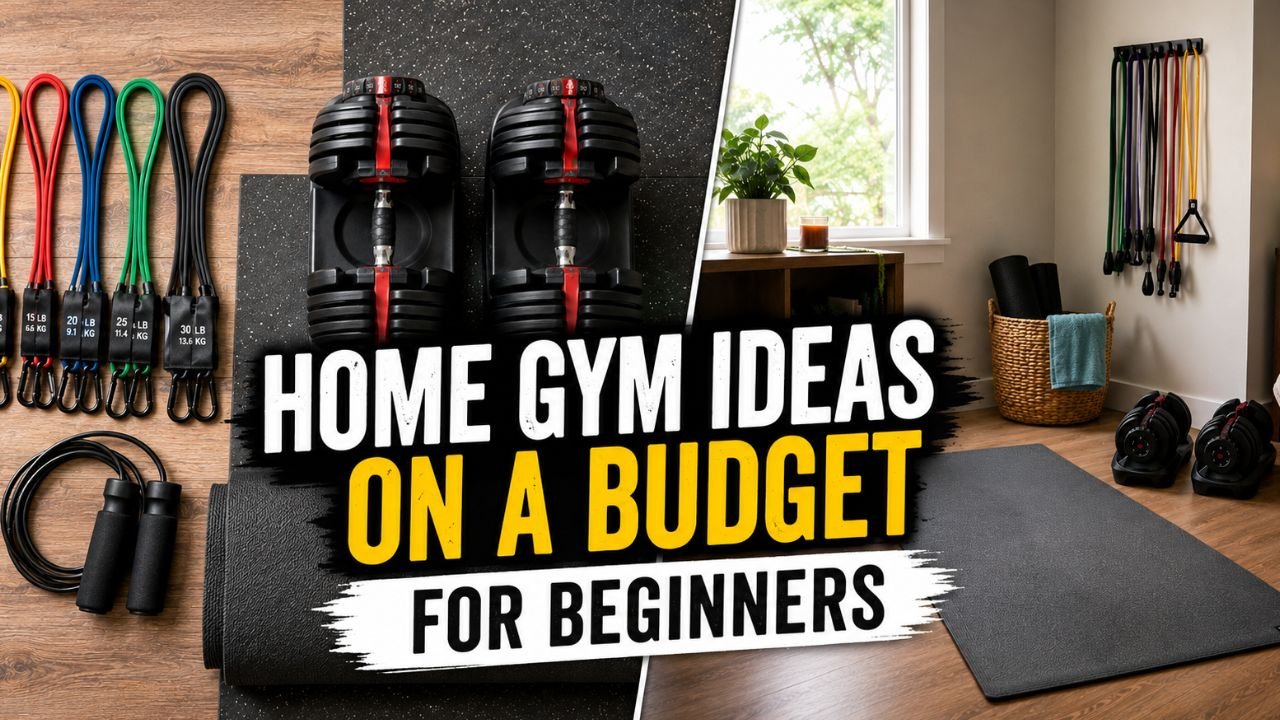
Home gym ideas on a budget for beginners
If you’re new to working out and the thought of walking into a crowded gym makes you want to stay under the blankets, you’re not alone. That’s exactly why so many beginners search for home gym ideas on a budget for beginners they want to start moving without the intimidation factor or the monthly membership bill. The good news is that building a home gym as a complete beginner is not only possible, it’s often easier and cheaper than people expect.
This guide walks through practical, beginner-friendly home gym ideas on a budget, including what to buy first, what to skip, common mistakes, and how to set realistic expectations so you actually stick with it.
Why Beginners Benefit From a Home Gym
Starting your fitness journey at home takes away a lot of the friction that stops people before they even begin. There’s no drive time, no waiting for equipment, and no self-consciousness about being new to exercise. For beginners specifically, a home setup also allows you to move at your own pace and learn proper form without feeling rushed.
Cost is the other big draw. Among home gym ideas on a budget for beginners, the simplest and most honest one is this: you don’t need much equipment to get real results when you’re just starting out. Your body adapts to new stimulus quickly in the early stages of training, so basic tools go a long way.
read also: free 28 day wall pilates challenge pdf
Step 1: Pick a Realistic Space
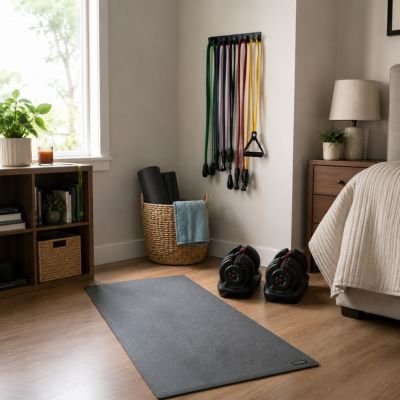
You don’t need a dedicated room. A cleared-out corner of a bedroom, living room, or garage is enough. Beginners often overthink this step, but the truth is simple: pick a space where you can lie down, extend your arms overhead, and take a few steps in any direction without hitting furniture.
Check your flooring too. Hard floors are fine for most bodyweight and dumbbell work, but a few interlocking foam or rubber mats make things more comfortable and protect your joints and your floor.
Step 2: Start With the Essentials, Not Everything
This is where a lot of beginners go wrong. Scrolling through fitness influencers or gym equipment ads can make it feel like you need a rack, a bench, a barbell, and a cable machine before you can even start. You don’t. In fact, one of the smartest home gym ideas on a budget for beginners is to buy a small number of versatile tools and actually use them consistently before adding anything else.
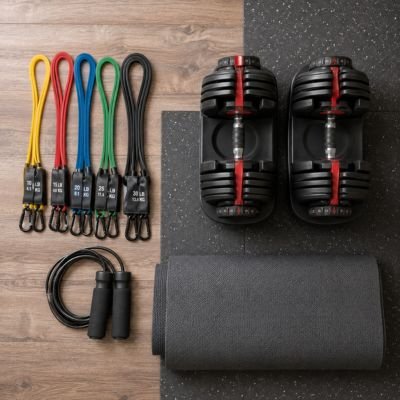
A good beginner starter kit looks like this:
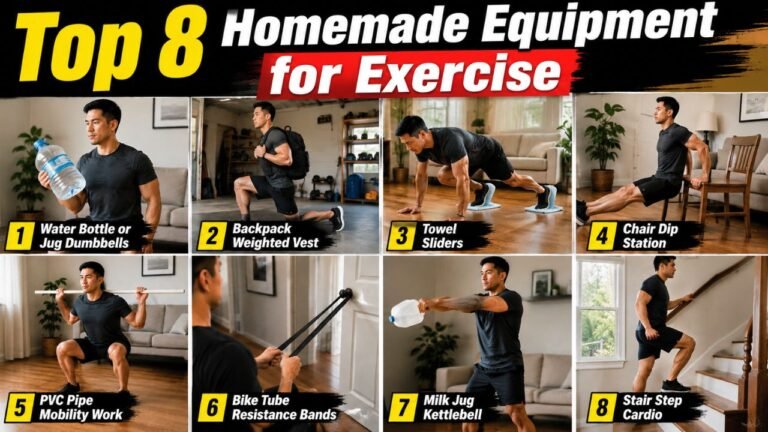
- Resistance bands – Inexpensive, joint-friendly, and useful for nearly every muscle group. Great for learning movement patterns before adding weight.
- One pair of adjustable dumbbells – Lets you scale weight as you get stronger without buying multiple sets.
- A yoga or exercise mat – Useful for floor work, stretching, and core exercises.
- A jump rope – Cheap, compact, and an effective way to build cardio fitness.
- A doorway pull-up bar (optional, but useful once you build some upper body strength).
That’s genuinely enough to run a full beginner program for months.
Step 3: Learn Bodyweight Training First
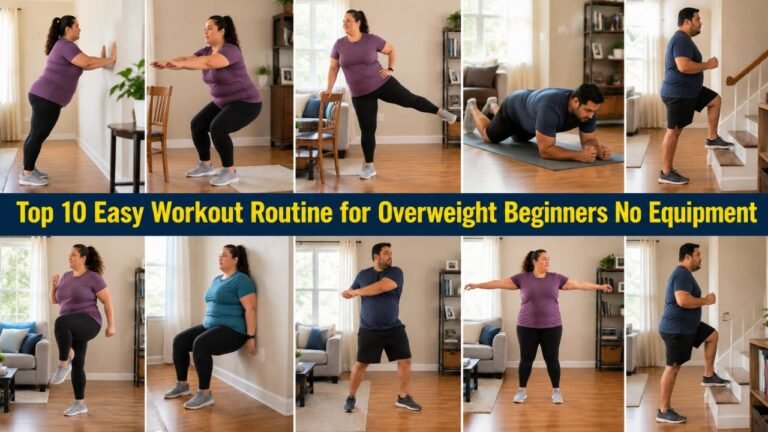
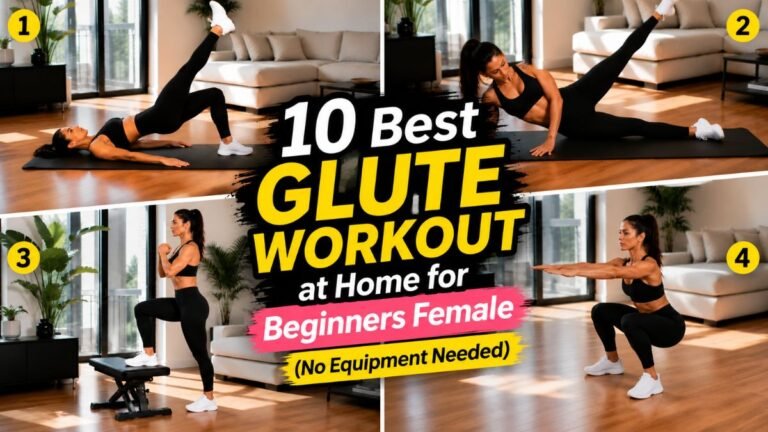
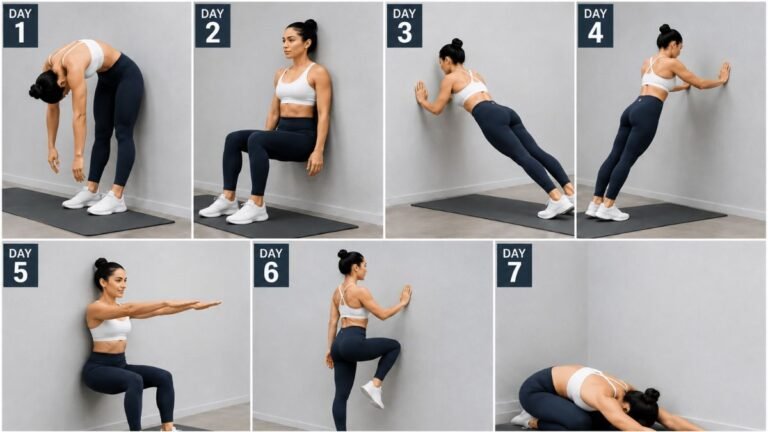
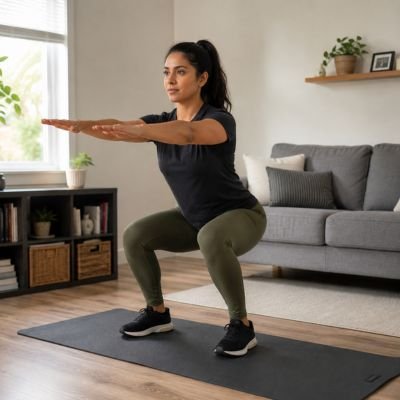
Bodyweight exercises are often the most overlooked answer to home gym ideas on a budget for beginners, mainly because people assume “real” training requires equipment. It doesn’t. Squats, push-ups, glute bridges, lunges, planks, and step-ups are legitimate, well-supported ways to build strength, especially when you’re new to exercise and your body hasn’t adapted yet.
Bodyweight training also teaches you control and form, which matters a lot before you start adding external resistance. Rushing into heavy dumbbells before you understand basic movement patterns is a common source of avoidable strain.
Beginner-Friendly Weekly Structure
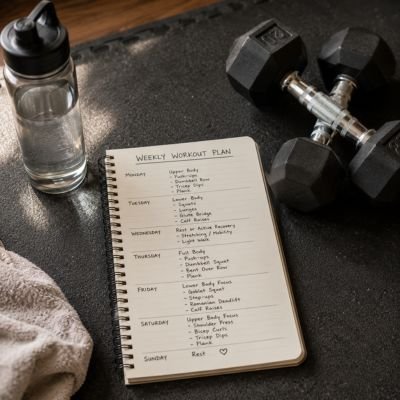
You don’t need a complicated program to see progress. A simple structure like this works well for most beginners:
- 2–3 days: Full-body strength training (bodyweight and/or dumbbells)
- 1–2 days: Light cardio (jump rope, brisk walking, bodyweight circuits)
- 1 day: Mobility and stretching
- 1–2 rest days
Consistency matters far more than intensity in the beginning. Doing a simple 30-minute session three times a week reliably beats an occasional intense workout that leaves you too sore or discouraged to continue.
Where to Spend a Little More (Even on a Budget)
Not everything should be bought as cheaply as possible. Among home gym ideas on a budget for beginners, a few areas are worth a slightly bigger investment:
- Footwear – Supportive shoes reduce injury risk, especially for jumping or lateral movement.
- Flooring – A decent mat protects your knees, wrists, and back during floor exercises.
- A pull-up bar with a clear weight rating – Cheap, poorly rated bars can fail under load.
Everything else — storage racks, branded apparel, smart fitness gadgets — can wait or be skipped entirely.
Common Beginner Mistakes to Avoid
Buying too much equipment upfront. It’s tempting, but most of it ends up unused. Start small and let your actual training habits guide future purchases.
Skipping warm-ups. Beginners often assume warming up matters more in a gym setting. It doesn’t — your muscles and joints need preparation regardless of location.
Ignoring form to lift heavier or move faster. Since you likely won’t have a trainer watching you at home, take extra care to learn correct technique, even if that means starting with lighter resistance than you think you need.
Training in a cluttered or poorly lit space. This sounds minor, but it affects both safety and motivation. A clear, well-lit area makes you more likely to actually show up.
Expecting overnight results. Beginners sometimes quit within the first few weeks because visible changes take time. Strength and conditioning improvements are usually noticeable before major physical changes are.
A Sample Budget Breakdown
While prices vary by brand and location, a reasonable beginner setup might include:
- Resistance bands
- One adjustable dumbbell pair
- A mat
- A jump rope
Together, this typically costs less than a single month of many gym memberships, and it becomes a long-term asset rather than a recurring expense. This is really the core idea behind most home gym ideas on a budget for beginners spend once, thoughtfully, rather than paying indefinitely for access you may not fully use.
Frequently Asked Questions
Do I need a lot of equipment to start a home gym as a beginner?
No. A mat, resistance bands, and one pair of adjustable dumbbells are enough to begin a full beginner program.
How much space do I need?
Enough to lie down and extend your arms and legs without hitting anything often a corner of a room is sufficient.
Is bodyweight training enough for beginners?
Yes. Bodyweight training builds real strength, especially early on, and helps you learn proper movement patterns before adding weight.
How often should beginners work out at home?
Two to four sessions per week is a solid starting point, balancing strength, cardio, and recovery.
When should I upgrade my home gym equipment?
Once your current setup no longer challenges you for example, when bodyweight squats feel too easy that’s a natural signal to add resistance or new equipment.